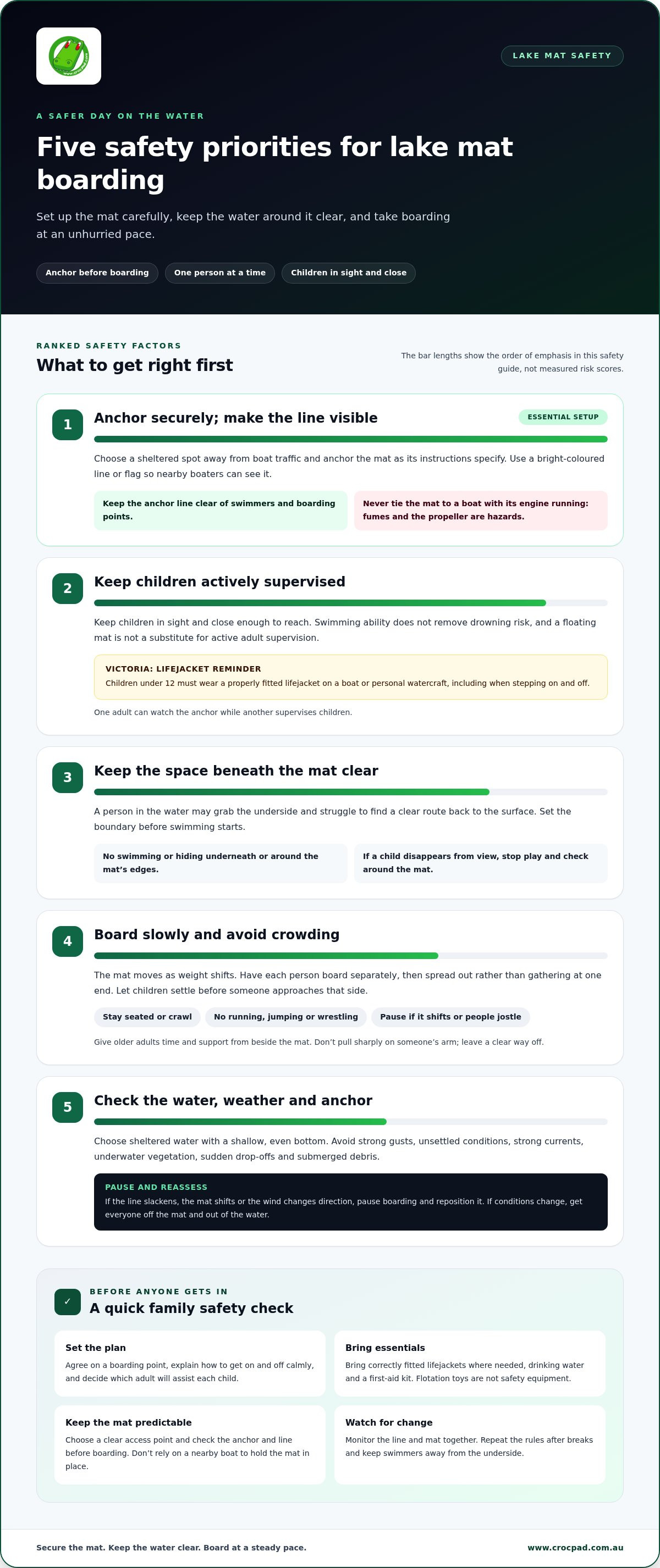
A lake mat should be securely anchored away from boats, with its anchor line clearly visible. Children need close, active supervision on and around the mat. Safe lake mat boarding for elderly and young kids also means avoiding use when wind or changing currents could push the mat into danger, and never tying it to a boat with its engine running.
A floating mat can make a day on the water feel relaxed, but boarding, crowding and hidden hazards need attention, especially when young children or older adults are involved. A steady, unhurried approach helps everyone enjoy the water more safely. This guide covers choosing a suitable spot, securing the mat, planning boarding and avoiding risks beneath it, with practical supervision tips for families.
Key Takeaways
- Anchor the mat securely in a sheltered spot, and make the anchor line easy for nearby boaters to see.
- Keep children out from underneath the mat and avoid crowding the edges when boarding or moving around.
- Use a slow, steady approach to getting on and off, with extra care for young children and older adults.
- Choose a mat and boarding setup that suit the people using it; don’t assume one age or weight limit applies to every mat.
- Keep children in sight and within arm’s reach, with one adult focused on supervising them around the water.
1. Anchoring and drift prevention
Before anyone boards, secure the mat so wind or changing currents can’t carry it towards boats or unsafe water. Choose a sheltered spot and attach the anchor according to the mat’s instructions. Keep the anchor line visible with a bright colour or flag, and position the mat away from boat traffic. Never tie it to a boat with its engine running: exhaust fumes and the propeller create serious hazards.
To see how floating mats move and what to consider before using one, watch this video:
Once anchored, monitor the line and mat together. If the line slackens, the mat shifts or the wind changes direction, pause boarding and reposition the mat. One adult can monitor the anchor while another supervises children. Keep the line clear of swimmers and boarding points so it doesn’t obstruct movement. Don’t rely on a nearby boat to hold the mat in place.
What water conditions and weather make lake mat boarding unsafe? Avoid open water in strong gusts or when conditions look unsettled. Choose a sheltered area with a shallow, even bottom, and stay clear of underwater vegetation, sudden drop-offs, submerged debris and strong currents. If conditions change, get everyone off the mat and out of the water.
What are the rules for life jackets, swimming ability and adult supervision? In Victoria, children under 12 must wear a properly fitted lifejacket on a boat or personal watercraft, including when stepping on and off. A mat isn’t a substitute for active adult supervision, and swimming ability alone doesn’t remove drowning risk. Keep children in sight and close enough to reach.
How much does lake mat boarding cost at Australian lakes? There isn’t one price for every Australian lake. Charges depend on the venue’s access arrangements and whether the session includes supervision.
What should families bring and do before booking a lake mat session? Ask about access, conditions and venue requirements. Bring correctly fitted lifejackets where needed, drinking water and a first-aid kit. Agree on a boarding point, check the anchor and line, and explain to children how to get on and off calmly. Flotation toys are not safety equipment.
A secure anchor is essential because a floating mat can be pushed by wind or changing currents. Keeping it anchored helps prevent it from drifting toward boats or other unsafe areas. Make the anchor line easy for boaters to notice by using a bright colour or a flag; visibility matters because the line may otherwise be difficult to see. These precautions work together: anchoring limits movement, while a visible line helps boaters identify where the mat is positioned. Neither should be treated as optional when setting up the mat.
Do not use a boat with its engine running as the mat’s tie-off point. Exhaust fumes can create a hazard, and a boat’s propeller can cause injury. Keeping the mat separate from an operating boat avoids those particular risks. The key considerations are to anchor the mat securely, make the line conspicuous to boaters, and avoid tying it to a boat while its engine is running.
2. Under-mat entrapment and crowding
Keep children out from underneath a floating mat. Someone who slips into the water beside it might grab the underside and struggle to find a clear route back to the surface. The mat can block their way, especially if people above are moving around. Set this boundary before swimming starts: nobody swims beneath the mat, hides around its edges or pulls another person under it.
Crowding can make a floating surface unstable. If several people climb on at once, their combined movement may tip or shift the mat and cause someone to fall. Have each person board separately, then spread out instead of gathering at one end. Let a child settle before another swimmer approaches that side.
Make the rules easy to remember and practise them before play:
- Keep the space beneath the mat clear of swimmers.
- Board one person at a time and leave room between people.
- Stay seated or crawl instead of running, jumping or wrestling.
- Pause activity if the mat shifts or anyone starts jostling.
Older adults may need more time to move from the water onto the mat or change position once aboard. Offer support from beside the mat and let them set the pace. Don’t pull sharply on someone’s arm while they’re balancing. Keep other swimmers clear and leave an open route off the mat if they feel tired or uncomfortable.
Keep children in view from the shore and water. Someone beneath a mat can be difficult to see, so a quiet moment doesn’t prove everyone is safe. If a child disappears from view, stop play immediately and check around the mat. Ask another adult to help if the child isn’t quickly located. Safe lake mat boarding for elderly and young kids depends on keeping the water around the mat visible and clear.
Repeat the rules whenever someone returns after a break. An eager child may forget the boundary, so remind them before they enter the water. Safe lake mat boarding for elderly and young kids also means giving older adults an unhurried exit, without a crowd pressing around them. If a swimmer can’t return comfortably, end the activity and help them reach shore.
Families planning a lake outing can consider floating water mat options alongside a clear plan for keeping swimmers away from the underside.
3. What is lake mat boarding and how does it work?
Lake mat boarding means getting onto a floating platform from the water or shoreline and settling into a stable position. Unlike a fixed pontoon, a mat moves with the water and responds to changes in weight. For example, when a child climbs on at one edge, the surface may shift beneath them. A calm, planned approach helps everyone know where to place their hands and feet.
Before anyone enters the water, choose a clear access point and explain the steps. Children should know where to approach, how to climb on and where to sit once aboard. Adults should agree on who will assist each child. For an older adult, identify a nearby position that allows them to enter slowly without twisting or rushing.
- Approach the edge. Enter the water only at the agreed point, then face the mat and hold its edge securely.
- Board one person at a time. Move gradually, keeping weight low rather than stepping up quickly or jumping.
- Pause and settle. Once aboard, stop moving until the mat steadies, then choose a position that leaves space for others.
- Exit deliberately. Move towards the agreed edge, wait for assistance if needed, and return to shore or shallow water calmly.
A clear sequence gives children a predictable task instead of leaving them to scramble. Practise the instructions from shore, then repeat them beside the mat before boarding. A child who feels unsure can wait with an adult rather than being hurried by friends. Keep the route back to shore clear so swimmers can leave without crossing one another’s paths.
For seniors, a comfortable entry and exit matter more than keeping pace with a child. Let them decide whether they can manage the movement safely, and offer support from a stable position beside the mat. Avoid pulling sharply, as this can disturb their balance and shift the floating surface. If standing in water feels unsteady, staying ashore is a sensible choice.
Lake conditions and the mat’s movement can change during use, so repeat the boarding plan whenever someone returns from a break. Explain that the mat is for recreation, not a boat or a substitute for swimming ability. Never dive from it unless the depth is known and the water is free of underwater obstacles. Clear instructions help children and older adults enjoy the activity more safely.
4. What age and weight limits apply to lake mat boarding in Australia?
There isn’t one age or weight figure that is safe for every lake mat. Check the specific mat’s instructions, including its stated user capacity and any age guidance, before boarding. Then consider the person, not just the number: a young child who can’t climb on steadily needs close help, while an older adult may need an easier entry point or prefer to stay ashore.
Age alone doesn’t show whether someone can manage a floating surface. Before boarding, consider whether each person can follow instructions, hold on securely and move without rushing. A child who can swim may still struggle to climb onto a moving mat. A senior with limited balance may find getting on harder than sitting or floating once aboard.
Weight affects how a floating mat responds as people move. Follow the mat’s capacity guidance, but don’t treat it as permission to crowd the surface. Spread people out, board one at a time and pause if the mat tilts or shifts unexpectedly. Don’t add people simply because the mat looks large enough: their combined movement matters too.
For children aged 5-12, plan each boarding step around their swimming ability and confidence in open water. Keep the adult close, give one instruction at a time and let a hesitant child wait rather than be hurried. Children younger than 5 need particularly close attention around water. A mat doesn’t make a child independent, even if they’re confident swimmers.
Lifejacket rules depend on the activity and location, so distinguish a lake mat from a boat trip. In Victoria, children under 12 must wear a properly fitted lifejacket when on a boat or personal watercraft, including when stepping on and off. That rule concerns boats and personal watercraft; it doesn’t set a general age or weight limit for boarding a floating mat.
Make a practical go-or-stay decision for each person. Check the mat’s guidance, then consider mobility, balance, swimming confidence and ability to follow instructions. If a child can’t climb aboard calmly, or an older adult can’t get on and off comfortably, choose another way to enjoy the water. Reassess if anyone becomes tired or conditions change. An age or weight that appears suitable on paper can’t replace close supervision and a steady boarding plan.
Broader water-safety data can help put close supervision in context, without setting a boarding threshold. A 10-year analysis of drownings at lakes, dams and lagoons in Australia covered the period from 2008 to 2018. There were 255 drowning deaths at Australian lakes, dams and lagoons between 2008 and 2018, including 26 drownings of children aged 0-4; most drownings among children aged 0-4 at Australian lakes, dams and lagoons between 2008 and 2018 occurred in dams. These figures describe drowning incidents, not lake mat capacity or a safe age to board.
Lake mat boarding can be a way to be active, but it should not displace water precautions. Australian children and young people aged 5 to 17 should do at least 60 minutes of moderate to vigorous physical activity each day. They should incorporate vigorous activities and activities that strengthen muscle and bone on at least 3 days per week. Choose activities to suit each child’s ability, and keep supervision and safe access central whenever water is involved.
5. What safety equipment and supervision are required for lake mat boarding?
Prepare basic safety equipment before anyone enters the water. Keep a first-aid kit and suitable lifejackets accessible, and show children where they’re stored. Aquatic toys and flotation devices aren’t safety equipment, so a mat can’t replace adult supervision. Explain how to call for help if someone slips, feels tired or needs assistance getting out.
Lifejacket rules depend on the activity and state. In Victoria, children under 12 must wear a properly fitted lifejacket on a boat or personal watercraft, including when stepping on and off. This applies to those vessels, not as a general lake-mat rule. Choose a lifejacket to suit the waterway, and select one with crotch straps for younger children to help prevent it slipping off.
For children aged 5 and above, the safety guidance recommends lifejackets around lakes or while swimming in open water. Check the fit and fastenings before use. Don’t rely on swimming ability alone, and don’t let children treat the mat as rescue equipment.
Assign one adult to watch children continuously, without using a phone or lounging. Keep children in sight and within arm’s reach while they’re on the mat. In NSW, children must never be left unsupervised while playing in or around water, even if they can swim, especially children under 5. Children near lakes and dams should be accompanied by an adult. Active supervision helps make safe lake mat boarding for elderly and young kids more manageable because the adult can respond as people move or need help.
Victoria’s water safety advice for toddlers says that 20 seconds is all it takes for a water-related incident, and adults should keep their eyes on children around water, according to the Victorian Government. Stay focused through short breaks and conversations. If another adult takes over, confirm the handover before stepping away. Safe lake mat boarding for elderly and young kids relies on a watcher who can see the group and act promptly.
- Keep the first-aid kit and suitable lifejackets close at hand.
- Show children where safety equipment is stored and how to signal for help.
- Agree which adult is watching, and confirm any change of supervision.
- Keep children close and visible during boarding, play and breaks.
Before leaving shore, explain what to do if someone falls in: call for help, keep them in sight and follow the group’s emergency plan. To prepare your water-play setup, explore water recreation gear and plan supervision alongside your equipment.
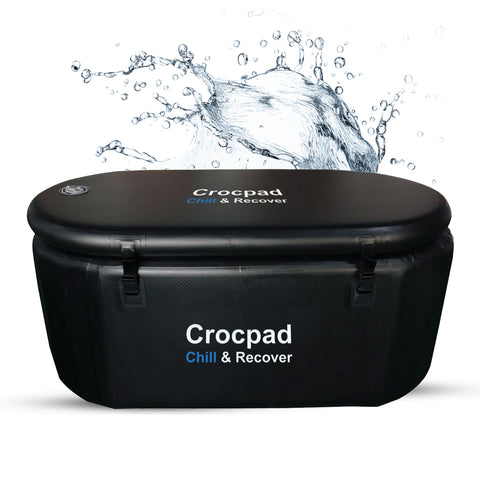
Crocpad: Floating Water Mat
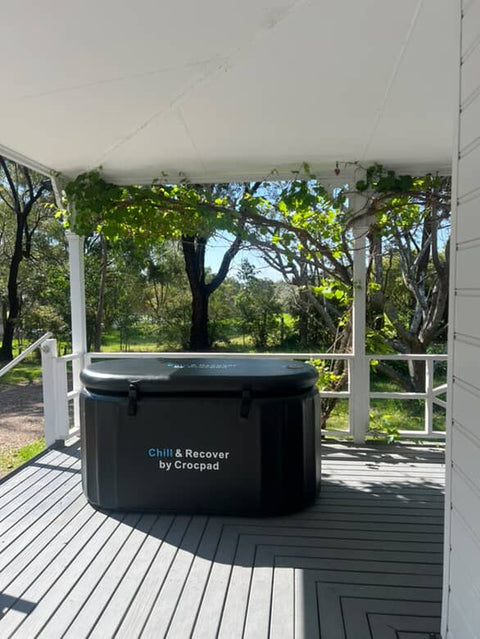
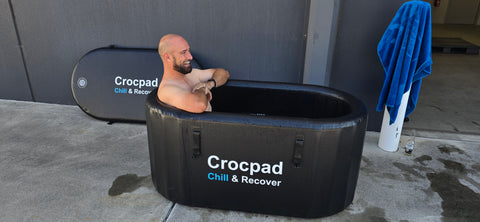
Crocpad’s Floating Water Mat offers families a purpose-made platform for recreation on the water. Consider it when a floating mat suits your lake outing and you’re choosing equipment for your group. Before use, read the mat’s instructions and capacity guidance, then plan boarding around each person’s mobility, confidence and swimming ability.
A floating mat isn’t a life-saving device, so maintain close supervision, use suitable lifejackets and follow clear safety rules. Anchor the mat appropriately for the location, keep children away from underneath it and make boarding unhurried. A suitable setup can support an enjoyable day, but attentive adults remain essential.
Explore the Floating Water Mat and contact Crocpad if you’d like to learn more.
Make your next lake outing a considered one
Before your next trip, agree on a simple plan that suits everyone. Choose who will supervise, decide how each person will board and leave, and make it easy for anyone to opt out. Safe lake mat boarding for elderly and young kids puts comfort alongside excitement: a calm outing starts with choices that suit each person.
If you’re choosing equipment for family water play, Crocpad offers a Floating Water Mat, as well as the Minima Pool Slide and Megalo 3M Inflatable Water Pool Slide. Select the product that suits your planned activity, then use it alongside attentive supervision and the safety guidance covered in this article.
Have a question about choosing a mat for your plans? Contact Crocpad with your lake mat questions. Take your time, make a plan that works for your group, and enjoy a more confident day by the water.
Frequently Asked Questions
Can elderly people and young children safely use lake mats?
They may be able to, provided the setup suits each person and an attentive adult closely supervises children. Consider whether a child can follow instructions and whether an older adult can manage entering and leaving the water comfortably. Someone who finds wet footing difficult may be better off enjoying the outing from shore. A mat is a recreational float, not a substitute for swimming ability or safety equipment.
What are the main risks of lake mat boarding for children and older adults?
The main risks include falling into the water, struggling to get back onto the mat, being obscured beneath it and losing balance as people move. A child may be hard to see if they slip out of sight, while an older adult may find a sudden shift difficult to manage. Wind, currents, submerged hazards and crowding can add risks, so stop the activity if anyone becomes distressed or conditions change.