Dog claws can scratch or tear a lake float, so preventing dog nails from scratching a lake float starts with keeping nails neatly trimmed. Nail caps may blunt the tips and reduce direct contact, but neither measure makes a float immune to damage. Take care as your dog boards, moves around or gets off the float.
It’s easy to focus on the float’s material and overlook the pressure claws place on it. This guide explains how claws can mark or damage different floating surfaces, and how nail care and nail caps may reduce the risk. You’ll also learn what to consider when choosing a setup for your dog, so you can protect your gear while enjoying time by the lake.
Key Takeaways
- Learn why a dog’s claws can scratch or puncture inflatable surfaces, even during ordinary movement on a float.
- Find out how keeping your dog’s nails neatly trimmed can help reduce surface damage.
- Understand how nail caps blunt claw tips and what to consider before using them.
- Explore practical ways to manage your dog’s contact with a lake float, from getting on and off to moving around.
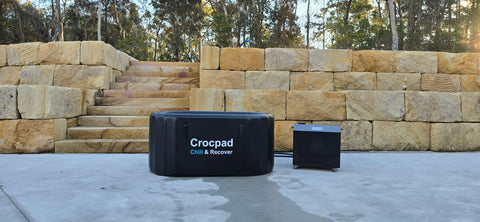
- See how Crocpad’s Floating Water Mat fits into a day on the water with your dog.
1. Damage to traditional inflatables from dogs
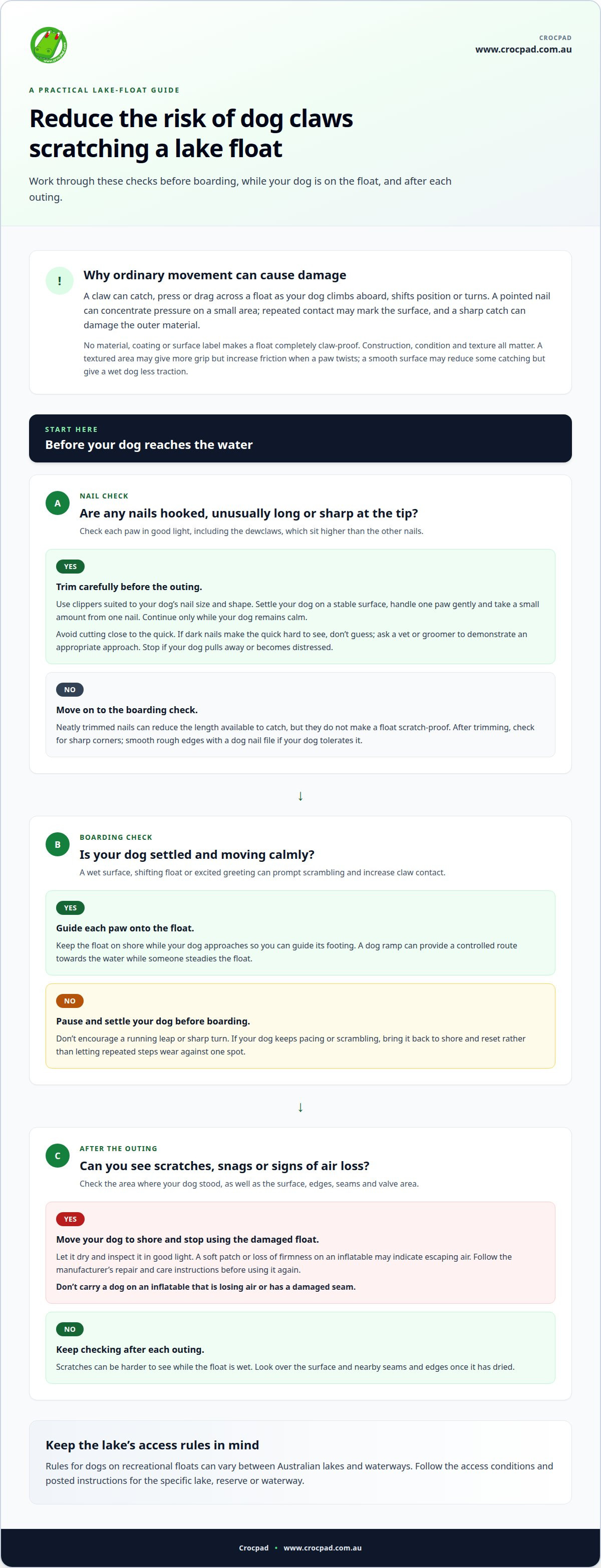
A dog can scratch or puncture a float when a claw catches its surface. The risk isn’t limited to jumping: a paw can press down as a dog climbs aboard, shifts position or turns. For example, a dog stepping over an edge may drag a claw across the surface while searching for stable footing.
Flexible surfaces aren’t necessarily claw-proof. A pointed nail can concentrate pressure on a small area, especially when a dog puts its weight through one paw. Repeated contact may leave visible marks, while a sharp catch can damage the outer material. Any damage may mean taking the float out of use during your outing.
Check more than the main surface. Seams, edges and areas near valves are places where a paw may catch or press. A dog can scratch while boarding, then create more friction by pacing or repositioning. Even a calm dog may move suddenly when the float shifts beneath its feet.
After each outing, check the surface, edges, seams and valve area for scratches, snags or other damage. On an inflatable, a soft patch or loss of firmness may indicate escaping air. Don’t keep using a float that appears damaged: movement on the water can make it harder to handle.
Rules for dogs on recreational floats can vary between Australian lakes and waterways. Follow the access conditions and posted instructions for the specific lake, reserve or waterway.
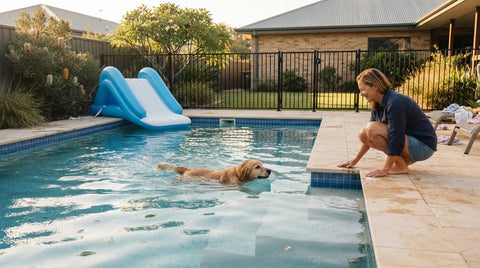
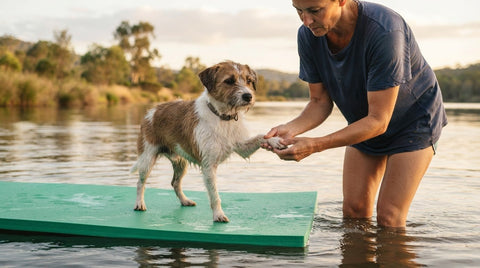
Keep the float on shore while your dog approaches, rather than letting it scramble aboard from the water. This lets you guide each paw onto the surface. A dog ramp can offer a controlled route towards the water while someone steadies the float. Don’t encourage a running leap or sharp turn on an inflatable.
Consider your dog’s movement as well as its nails. A wet surface, shifting float or excited greeting can prompt scrambling, increasing claw contact. Give your dog time to settle before boarding. If it keeps pacing, bring it back to shore rather than letting repeated steps wear against one spot.
Traditional inflatables aren’t designed to make claw contact harmless. Nail care and controlled boarding can reduce opportunities for scratches, but they don’t change the float’s surface. Understanding how claws catch, press and drag helps you spot risky moments and protect your gear during a lake outing.
The same attention can help you spot risky moments and respond before another paw lands. Indoors, a non-slip underlay beneath rugs and runners can help prevent sliding across hardwood floors. Dog urine can permanently damage timber flooring, including its finish and the wood itself. A polyurethane finish can help protect timber from further scratches.
2. Dog claws scratching and tearing float mats
Claws can damage a float mat by scraping the surface or catching hard enough to tear it. A scratch may mark the outer layer, while a puncture in an inflatable can let air escape. Check for both after your dog has walked, turned or shifted its paws on the mat.
Don’t treat any material or coating as completely claw-proof. Some dog bathing basins are made from PVC and described as having anti-scratch material, with use as a floating raft. That doesn’t mean every PVC float has the same construction or that an anti-scratch surface will withstand sharp claws in every situation. Read the product’s care instructions and consider its specific construction.
Surface texture matters, too. A dog may get more purchase on a textured area, but that grip can increase friction as the paw twists. A smooth surface may reduce some catching, yet give a wet dog less traction. Material, construction and condition all affect how a float responds to claws, so don’t assume a coating removes the risk.
If claws scratch or puncture an inflatable float, move your dog to shore and stop using the damaged area. Check the surface and seams for visible damage or escaping air, then follow the manufacturer’s repair and care instructions before using it again. Don’t carry a dog on an inflatable that is losing air or has a damaged seam.
To inspect for damage, let the float dry and check it in good light. Look over the area where your dog stood, along with nearby seams and edges. A scratch can be hard to see when wet, while a puncture may appear as a small hole or gradual loss of firmness. Don’t press a suspected puncture with your dog aboard.
For your next outing, reduce forceful contact rather than relying on a surface label. Guide your dog onto the float slowly and keep movement calm. If your dog scrambles or repeatedly turns in one place, return to shore and reset. These small choices reduce dragging and pressure on the same patch of material.
Choose float gear with its intended use and care guidance in mind, then match your approach to your dog’s behaviour. For a wider look at options for time on the water, explore floating water gear alongside the nail-care steps covered next.
3. Keeping dog nails trimmed
Neatly trimmed nails can reduce damage to wood floors, and shorter tips have less length to catch on a float. This doesn’t make a mat scratch-proof, but it addresses one part of the problem: sharp, overgrown claws can press or drag against the surface as your dog boards or turns.
Make nail checks part of preparing for a lake outing. Inspect each paw in good light, including the dewclaws, which sit higher than the other nails. Look for nails that are visibly hooked, unusually long or sharp at the tip. A quick visual check can help you spot claws that may snag before your dog reaches the water.
Use dog nail clippers suited to your dog’s nail size and shape. Settle your dog on a stable surface, gently handle one paw and trim a small amount from one nail. Continue only while your dog remains calm. Small, controlled cuts give you more control than trying to shorten every nail quickly.
Avoid cutting close to the quick, the sensitive area inside the nail. If your dog has dark nails and you can’t see where to trim, don’t guess. A veterinarian or groomer can demonstrate an appropriate approach. Stop if your dog pulls away or becomes distressed; forcing a paw can make future clipping harder.
After trimming, feel each nail tip and check for sharp corners. If your dog tolerates it, smooth rough edges with a file designed for dog nails. A clipped nail with a pointed corner may still catch more readily than a smoothly finished tip. Keep the session calm and reward relaxed behaviour.
Consistency matters more than a rushed trim before swimming. Check your dog’s nails during regular grooming and adjust your routine as they grow. Activity and the surfaces your dog walks on affect how quickly nails wear, so one schedule won’t suit every dog. If tips remain sharp between trims, seek professional guidance on your routine.
Trimmed nails are one part of preparing your dog for a day on the water. Pair nail care with calm boarding and supervision rather than expecting it to prevent every scratch. Before setting off, check all paws again: a broken or rough nail can still catch on a float’s surface.
If your dog still scrambles onto a floating surface despite having trimmed nails, pause the attempt. Practise a calmer approach on stable ground first. A relaxed step puts less dragging force on the mat than a leap or sudden turn. Try again only when your dog can approach without scrambling.
4. Using dog nail caps
Dog nail caps cover and blunt sharp tips, helping reduce contact with floors and other surfaces. On a lake float, they may reduce direct contact from claw tips, but they don’t remove pressure from your dog’s paws. A dog that scrambles, twists or repeatedly steps in one place can still stress the surface.
A protective cover or mat can create a layer between paws and the float. In Australia, you can bring a suitable removable mat for this purpose, but it needs to stay stable as the float moves. A loose towel, for example, may bunch beneath your dog’s feet. Avoid any layer that slides, folds or makes your dog’s footing uncertain.
Choose a cover that fits, grips and stays in place. Lay it flat before your dog boards, then check whether it shifts under gentle hand pressure. Keep its edges away from seams and valves, where a raised fold could catch a claw. Remove the cover if it bunches or becomes slippery when wet.
Dog life jackets and paw booties serve different purposes. A life jacket can support flotation, but it doesn’t cover claws or protect the mat from scratches. Booties cover paws and may reduce claw contact, but wet fabric can affect footing. Test booties on stable ground first, then watch for slipping or discomfort.
Fit matters for both options. A life jacket should let your dog move comfortably without restricting its legs, while booties should stay on without pinching or rubbing. Let your dog wear each item on shore before approaching the water. If your dog chews at the booties or struggles to walk, remove them rather than introducing them on an unstable float.
Follow the nail caps’ application instructions and choose caps that fit each nail. Clean and dry the nail before fitting, and don’t force a cap onto a sore or damaged nail. Afterwards, watch your dog walk on a firm surface. A loose cap, limping or repeated chewing means the fit needs attention before water play.
Caps, booties and covers work best as part of a broader plan. Start with trimmed nails, choose a protective option your dog tolerates, and supervise every step onto the float. For example, combine a well-fitted life jacket for flotation support with a secure mat for surface coverage, while remembering neither prevents every scratch or slip.
5. How can I prevent dog nails from scratching an inflatable lake float?
Use several safeguards together: trim sharp nail tips, control how your dog boards and keep its movement calm. No single measure makes an inflatable immune to scratches. Even a dog with trimmed nails can scrape a float if it leaps aboard and skids across the surface.
Start on shore. Let your dog approach while the float is stable, then guide each paw onto the surface. Avoid a running jump, which can bring claws down with extra force. If your dog scrambles, pauses or tries to turn quickly, bring it back to shore and try again once it has settled.
Set up a clear route to the water. Keep the float close to a stable entry point and remove nearby distractions. A ramp can offer a more controlled approach than climbing over an edge, provided it suits the setting and remains steady. Don’t let your dog leap between the ramp and a moving float.
Before boarding, inspect the float’s surface, seams and valves for existing scratches, punctures or areas losing firmness. Check that any removable mat or cover lies flat and doesn’t slide under pressure. A bunched towel, for example, can make footing less secure and prompt your dog to claw for grip.
Choose protection your dog accepts. Nail caps blunt claw tips, while a secure paw cover may add a barrier between claws and the float. Introduce either option on dry, stable ground first. Watch your dog walk and turn, and remove anything that slips, pinches or causes discomfort before approaching the water.
Keep things calm once your dog is aboard. Stay close, limit sudden movement and guide your dog away from repeated pacing over one spot. If the float shifts and your dog starts scrambling, return to shore rather than trying to settle it while afloat. Calm handling reduces repeated claw contact and helps you respond quickly.
After each session, dry the float and inspect the areas your dog used. Marks or soft spots are easier to assess on a dry surface. Follow the manufacturer’s care instructions if you find damage, and keep a damaged inflatable out of use until it’s addressed. Preventing dog nails from scratching a lake float is a practical routine, not a single fix.
Ready to plan your next day on the water? Explore lake float options and pair your setup with calm boarding and regular nail care.
Crocpad
Crocpad offers recreational water gear for lake days, including floating mats and inflatable dog ramps. If you’re planning to bring your dog onto the water, these products can help shape your setup, while nail care and calm boarding remain important for reducing claw contact. Choose gear to suit how your dog approaches the water and moves around, rather than expecting any float to prevent every scratch. A ramp can provide a route towards the water, while a floating mat creates space to relax. Combine your choice with trimmed nails, supervision and checks for surface damage before and after use. For help exploring Crocpad’s water products for your plans, contact Crocpad.
Make nail care part of every lake-day plan
Make preparation a repeatable part of your routine before an outing. Set aside time for nail care, choose a calm approach to the float and keep the first moments on the water relaxed. This gives you a chance to see how your dog responds and adjust the setup before the day gets busy. Preventing dog nails from scratching a lake float is easier when these choices are part of planning, not last-minute fixes.
As you organise your next day outdoors, explore Crocpad’s Floating Water Mat, Minima Pool Slide and Megalo 3M Inflatable Water Pool Slide as part of your recreational setup. Choose products for their intended use, and keep your dog’s comfort and handling in mind. For guidance on Crocpad’s water gear, contact Crocpad about your float plans. Get organised, keep the outing relaxed, and enjoy making more room for fun on the water.
Frequently Asked Questions
What dog nail length and shape are least likely to damage a float?
A blunt, smooth nail tip is less likely to catch than a long, hooked or sharply pointed one. Look at each paw while your dog stands naturally; nails that visibly curl towards the paw pads need attention. Check dewclaws too, as they don’t contact the ground like other nails. There’s no single ideal length for every dog, so focus on smoothing sharp tips without cutting into sensitive tissue.
How do I trim and file a dog's nails safely before swimming?
Choose a quiet, well-lit spot and let your dog settle before handling its paws. Use dog nail clippers and remove small amounts rather than cutting deeply at once. Keep styptic powder nearby in case a nail bleeds, and stop if your dog becomes distressed. Smooth rough edges with a dog nail file. If dark nails make the quick hard to see, ask a groomer or veterinarian to demonstrate safe trimming.
Do dog nail caps protect inflatable floats from scratches?
Caps cover and blunt claw tips, which may reduce direct scratching on an inflatable float. They don’t stop paws pressing down or prevent damage if your dog scrambles or twists. Before heading to the lake, check that each cap fits securely and your dog walks comfortably on dry ground. Remove loose caps, and don’t rely on them instead of supervising your dog on the float.
Which float materials and coatings are most resistant to dog claws?
No material or coating is identified as the most resistant to claws. A PVC dog bathing basin may be described as having anti-scratch material, but that doesn’t mean it’s claw-proof.