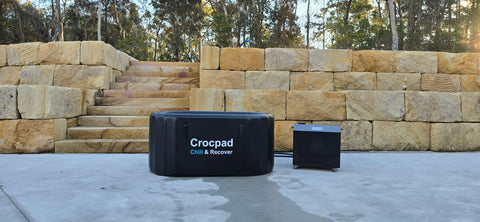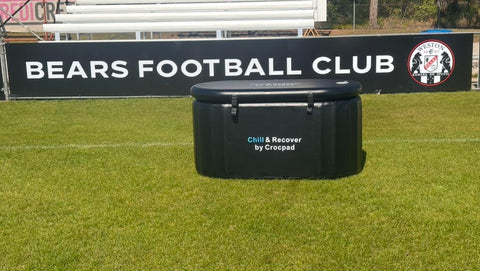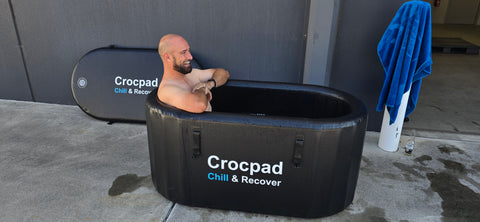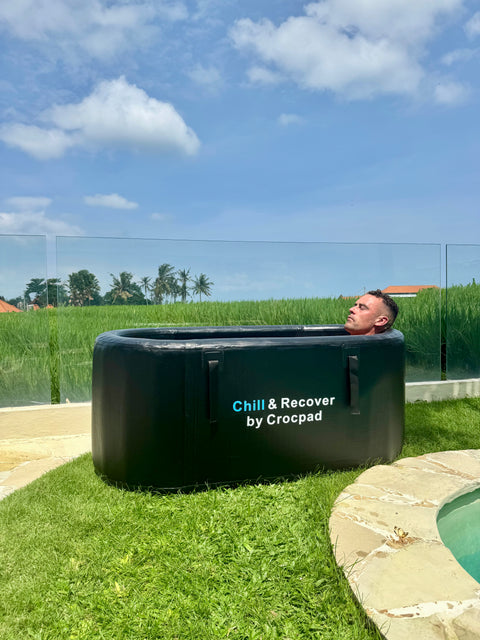
For athletic travel, a tub’s packed size matters as much as its ability to hold cold water. A portable cold plunge tub for athletic travel lets you immerse yourself in chilled water; some inflatable models use insulation or a cooling system, so you may not need to add ice for every session. Cold-plunge water commonly sits between 4°C and 15°C, while some cold-therapy guidelines suggest 10°C to 15°C.
It’s easy to focus on a portable cold plunge tub’s price, but fit, capacity and packed weight can make a bigger difference to whether it suits your trips. A roomy tub may be harder to pack, while a compact option may not suit your height or preferred position.
This guide explains how cold plunging works and compares portable inflatable tubs by fit, capacity, transport weight and price, without treating a lower price as the only measure of value. You’ll get a practical way to weigh the trade-offs for training camps, competitions and other athletic travel, then choose a setup that fits your routine and the space you have to carry it.
Key Takeaways
- Choose a cooling approach that suits your travel routine, including whether you want a chiller or a simpler setup.
- Compare an inflatable tub’s packed size and setup needs with the space and conditions at your destination.
- Use tub dimensions and capacity to judge whether you’ll fit comfortably, rather than relying on capacity alone.
- Weigh empty transport weight alongside price to see which option is practical for your trips.
- Explore Crocpad’s portable ice bath as a next step if you’re looking to add cold plunging to your routine.
How Does Cold Plunging Work?
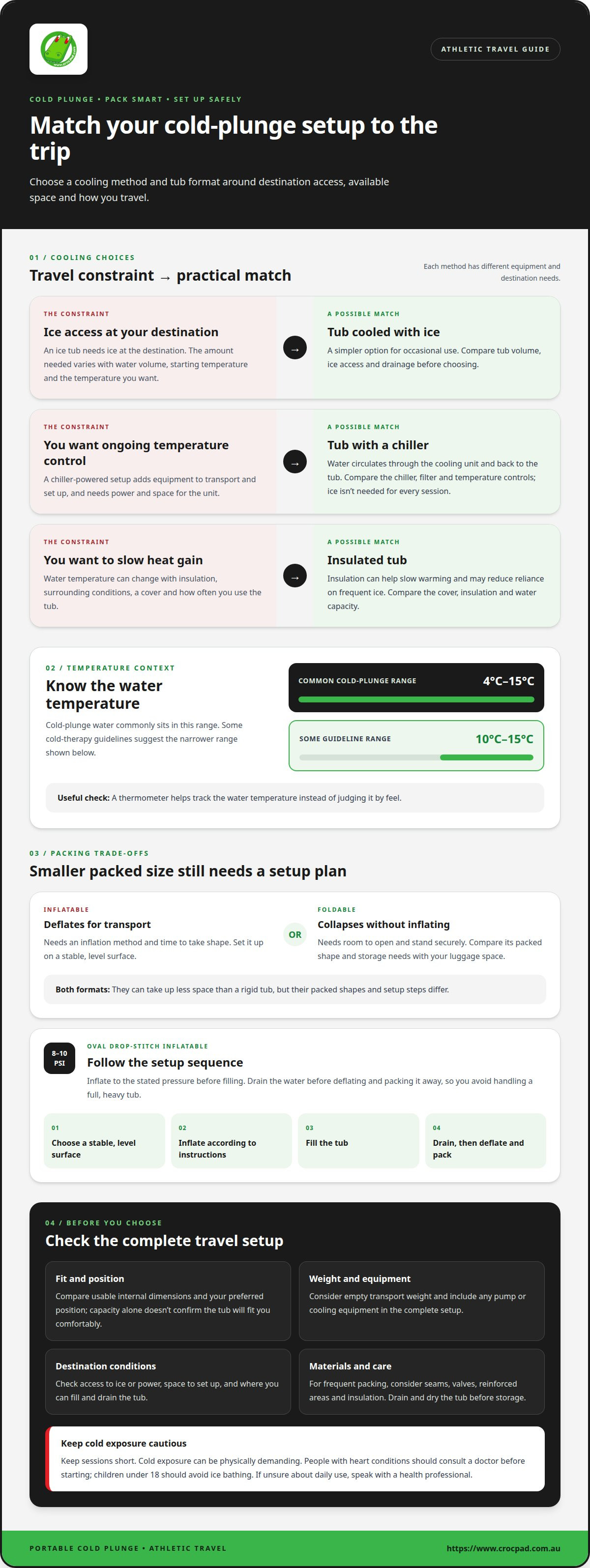
There’s no fixed amount of ice for a portable plunge tub. It depends on the water volume, starting temperature and desired temperature. How long the water stays cold depends on insulation, surrounding conditions, whether the tub has a cover and how often you use it.
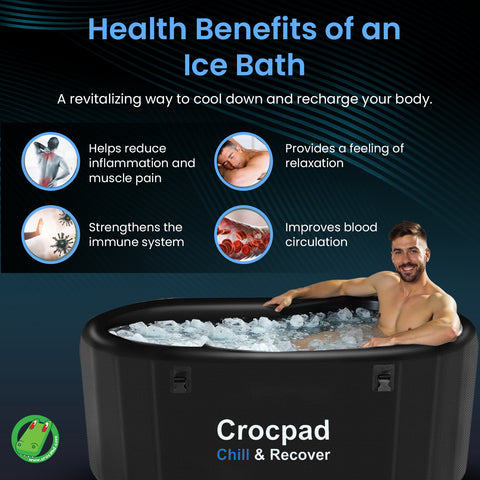
Cold plunging means immersing the body in cold water for a short period. Cold-plunge water commonly sits between 4°C and 15°C, while some cold-therapy guidelines suggest 10°C to 15°C. A thermometer helps you track the water temperature instead of judging it by feel.
Keep sessions short. Cold exposure can be physically demanding; people with heart conditions should consult a doctor before starting, and children under 18 should avoid ice bathing. If you’re unsure about daily use, speak with a health professional.
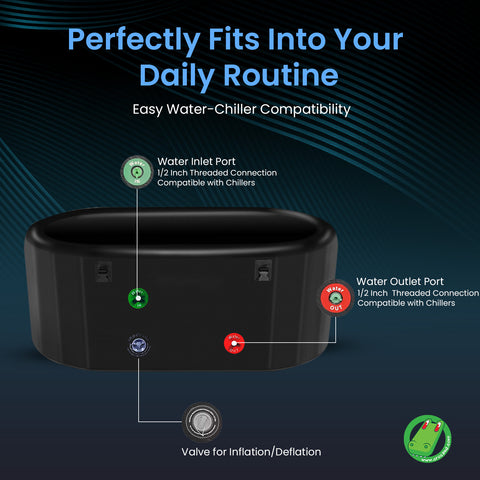
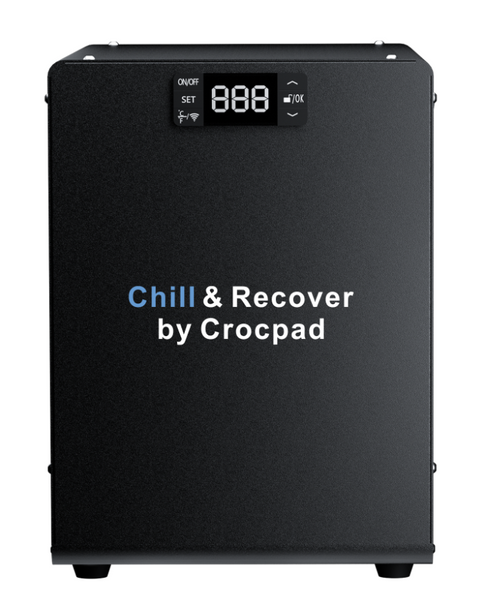
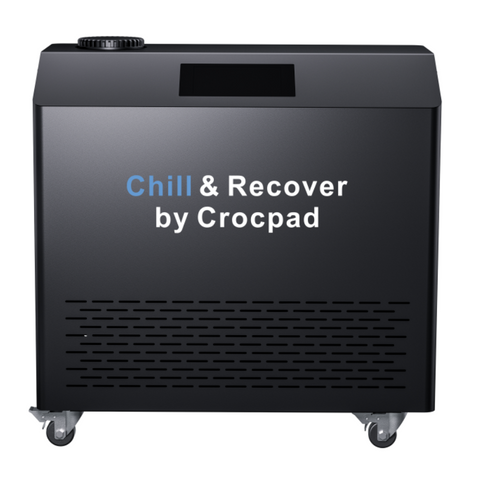
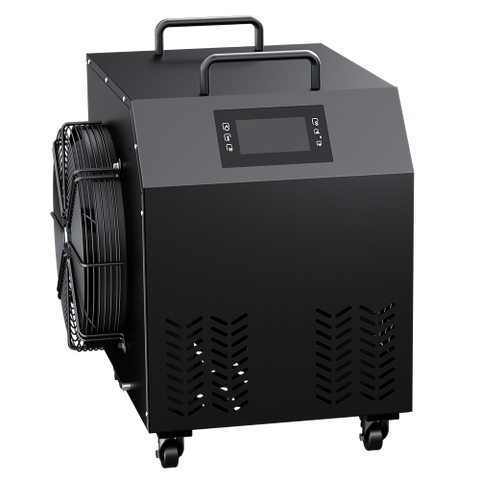
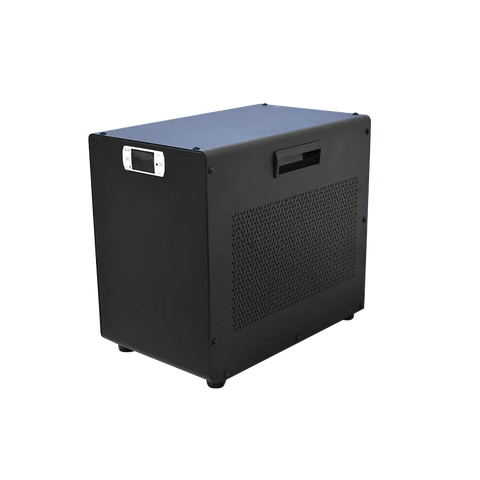
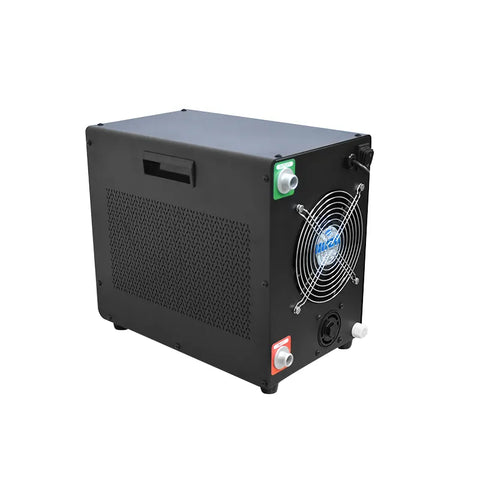
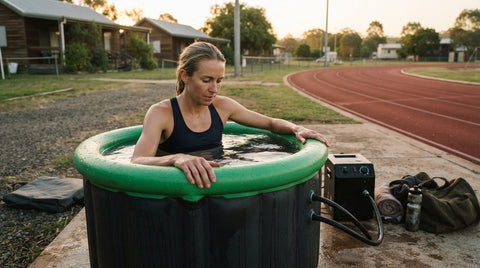
A portable cold plunge tub with a chiller uses a cooling unit to lower or maintain the water temperature. In a typical setup, water circulates from the tub through the chiller and back. A filter can catch debris as water moves through the system, helping keep it cleaner between water changes.
An ice tub cools through ice added directly to the water. This can suit occasional use, but the amount of ice needed varies with the tub’s volume, starting temperature and surrounding conditions. A chiller-powered tub provides ongoing cooling without requiring ice for every session, while insulation can help slow warming.
| Option | Cooling method | What to compare | Travel consideration |
|---|---|---|---|
| Tub with ice | Ice added to water | Tub volume, ice access and drainage | Requires ice at the destination |
| Tub with chiller | Circulating, powered cooling | Chiller, filter and temperature controls | Needs power and space for the unit |
| Insulated tub | Insulation slows heat gain | Cover, insulation and water capacity | May reduce reliance on frequent ice |
Prices need context. A tub-only price covers a different setup from a tub-and-chiller bundle. Compare what each listing includes, such as the tub, chiller, filter and cover, rather than treating the lowest displayed figure as the full setup cost. Capacity describes water volume, but it doesn’t tell you whether the complete system suits your travel routine.
Choose ice for simpler, occasional cooling; consider a chiller when repeatable temperature control matters and you can accommodate its power and transport needs. Match the cooling method to your destination, access to ice or power, and the water temperature you plan to use.
Portable inflatable cold plunge tubs for travel
For frequent travel, durability depends on the tub’s construction, seams and insulation, not just whether it’s inflatable. Compare those details alongside how the tub packs, sets up and handles outdoor use.
Inflatable ice baths offer a different balance from foldable tubs and rigid vertical barrels. They pack down, but need inflation and a suitable place to fill and drain.
Inflatable and Foldable Tub Portability
An inflatable tub deflates for transport, while a foldable design collapses without inflating its walls. Both can take up less space than a rigid tub, but their packed shapes and setup steps differ. An inflatable model needs an inflation method and time to take shape; a foldable model needs room to open and stand securely. Consider where you’ll store it between sessions, too.
Inflatable Tub Types and Setup
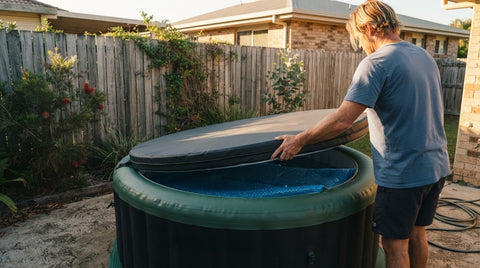
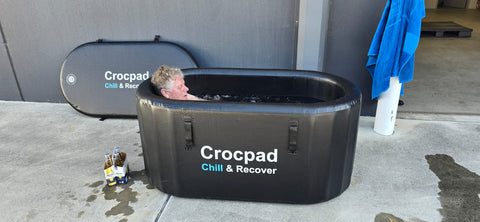
Inflatable models include open, wider tubs and upright designs that use a smaller floor area. An oval drop-stitch plunge tub should be inflated to 8 to 10 PSI before filling. Set it on a stable, level surface, inflate it according to its instructions, then fill it. Drain the water before deflating and packing it away. That sequence helps avoid handling a full, heavy tub.
Materials and Insulation for Frequent Travel
Frequent packing puts stress on seams, valves and the tub’s outer surface. Look for construction details such as reinforced areas and secure seams, then consider whether the insulation suits your intended use. Insulation can slow heat transfer, but it doesn’t remove the need to manage water temperature. Material choice matters, along with careful packing and keeping the tub clean and dry.
Vertical barrels differ from wide inflatable ice baths in shape and footprint. Their upright form may suit a compact setup area, while a wider tub gives you more room to stretch out. Neither shape is automatically better for recovery or water therapy. Compare the interior dimensions with your preferred position, and consider how much space the filled tub will occupy outdoors.
Ice baths without a chiller rely on ice and the starting water temperature. A chiller-compatible inflatable model can suit a different routine, but the equipment adds another item to transport and set up. Choose based on access to ice or power at your destination, rather than assuming every model cools water in the same way.
Before packing, let the tub drain fully and dry it to reduce trapped moisture during storage. Keep valves clear of grit, fold or roll the tub as its instructions show, and pack accessories together. On arrival, check the setup area for sharp objects. These simple steps help protect an inflatable tub over repeated trips.
For athletic travel, weigh the complete setup, including any pump or cooling equipment, not just the deflated tub. Compare how each model packs against your luggage space and destination setup. Explore portable ice bath options as you narrow down the right format.
Tub capacity, dimensions and user height
Fit depends on the tub’s usable interior, not just its advertised capacity. Compare internal dimensions, water volume and your preferred position before choosing a model.
Tub Dimensions
Dimensions describe the space the tub occupies and the room available inside. Check internal length, width and depth, then compare them with your height and how you want to sit or recline. Most tubs described fit users up to 6 feet 9 inches tall. That’s a useful guide, but body proportions and tub shape still affect comfort.
For example, an oval tub may offer more length for stretching out, while a vertical barrel uses a taller shape for upright immersion. Measure the space at your destination, including room to get in and out. Compare the tub’s footprint when set up, not its packed dimensions. A compact packed shape can still become a sizeable filled tub.
Water Capacity
Capacity indicates how much water a tub holds, but doesn’t reveal how much room you’ll have. A larger volume can mean more water around you, while a narrow interior may limit movement. Check how the manufacturer measures capacity and how high the tub is intended to be filled.
Use capacity alongside interior dimensions. Two tubs with similar stated volumes can feel different if one is long and shallow and the other is narrow and deep. Your body displaces water, so the level rises when you get in. Leave the recommended space below the rim rather than filling to the top.
For cold water immersion, choose a depth that covers the areas you intend to immerse while allowing stable entry and exit. A seated position may need less length than reclining, but still requires enough width for your shoulders and legs. Compare the product’s internal measurements with your preferred position rather than relying on capacity alone.
Water capacity also affects practical setup. A larger tub takes more water to fill, so consider access to a suitable water source and a place to drain it. Filtration can help manage water cleanliness, but it doesn’t change the tub’s dimensions or usable space. Decide how often you’ll refill it and whether the full setup suits your travel stop.
Before buying, follow this order: compare the internal dimensions with your height; check the recommended fill level; then assess capacity against your intended position and setup space. This makes it easier to weigh comfort, usable cold-water depth and the tub’s footprint together.
Empty weight and transport considerations
For travel, distinguish the empty tub’s weight from its packed weight with accessories. Deflated inflatable tubs may fit in a car, campervan or checked luggage, but the packed dimensions and total baggage allowance determine whether they’re practical.
Australian airline and accommodation policies vary, so arrange transport and tub use with the carrier and property before you travel.
Packed Weight and Carrying
Packed weight includes more than the tub if you carry a pump, cover, hose or filtration system. A travel-focused guide is to keep the packed tub under 10 lb; weigh the complete kit to see whether it meets that target. A shoulder strap or handles can make carrying easier, but they don’t reduce the load.
Think through the route from your vehicle to the setup spot. A soft bag may be manageable across a car park, while a bulky bundle can be awkward on stairs or uneven ground. Separate accessories into smaller bags if that makes the load easier to carry. Dry the tub before packing so water doesn’t add weight or soak other equipment.
Tub Packability and Transport
Packability describes how the empty tub folds, rolls or collapses; weight describes how heavy it is to move. A lightweight barrel-style tub can still be awkward if its packed shape is long or rigid. An inflatable model may compress into a more flexible bundle, but a pump and filtration system add items to stow.
For a car or campervan, compare the packed length, width and height with the storage space you’ll actually use. Keep the kit accessible if you’ll set it up soon after arrival. For checked luggage, compare the packed tub and accessories with the carrier’s current baggage conditions. Fitting a tub inside a suitcase doesn’t mean the full bag meets the allowance.
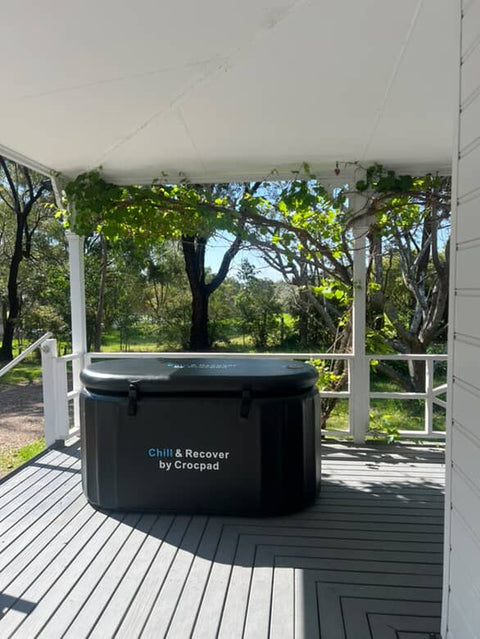
Water therapy adds a second transport question: where the tub will sit once filled. A compact packed tub can take up more room when opened, and a filled tub isn’t something to move casually. Plan a level setup area near a suitable water source and drain point. This matters at a competition venue, campsite or accommodation with limited outdoor space.
Materials affect the balance between packability and resistance to repeated handling. Stiffer construction may protect the tub’s shape, while flexible materials can fold more readily; seams and valves also need care during packing. Avoid dragging the tub across rough ground, and keep sharp gear separate from its fabric. These steps help protect the equipment through repeated travel without adding unnecessary items.
Cold plunging may be part of a muscle recovery or mental reset routine, but travel convenience depends on the complete kit. Before departure, confirm the packed dimensions, total weight, storage space and destination arrangements for using and draining the tub.
Prices of portable cold plunge options
The best portable cold plunge tub for Australian athletic travel is the one that fits your budget and routine, not simply the lowest-priced option. Compare the complete setup, including cooling equipment, filtration and transport needs, before deciding.
There isn’t one best option for every traveller. A tub-only model may suit ice-based sessions, while a chiller bundle may suit regular immersion where powered cooling is practical. Your choice depends on how you’ll use the ice bath, where you’ll set it up and what you need to pack.
Compare each listing using the same checks:
- What’s included: Separate the tub price from any chiller, filter, cover or pump included in a bundle.
- Cooling method: Consider whether you’ll use ice or powered cooling at your destination.
- Travel setup: Factor in the packed tub and accessories, plus space for setup and drainage.
- Warranty terms: Read the stated period, covered components, exclusions and remedy for a fault.
A tub-only price and a tub-and-chiller bundle don’t describe the same purchase. A bundle may include equipment for controlled cooling, while an ice-only setup depends on access to ice. Compare the included parts line by line; otherwise, a lower displayed price may not represent the setup you intend to use.
Give warranty details the same attention as the purchase price. Check whether the tub, seams, valves and any included chiller have separate terms. Note the warranty period and any conditions for care or use. A warranty’s value depends on what it covers and how claims are handled, so don’t assume two products offer equal protection.
Also consider each session’s ongoing requirements. Ice-based cooling needs ice, while a chiller uses power; both approaches involve filling, draining and keeping the tub clean. These practical demands affect how easily the equipment fits into a travel schedule, even if they don’t appear in the initial product price.
To make a fair comparison, shortlist tubs that meet your fit and packing needs first. Then compare the complete setup price, included accessories and warranty terms. This helps you avoid paying for features you won’t use or choosing a tub that needs equipment you haven’t budgeted for.
For a wellness routine built around portable cold-water immersion, explore portable ice bath options and compare the setup with your travel priorities.
For athletic travel in Australia, a tub-only model suits trips where you’ll rely on ice, while a chiller bundle suits destinations where powered cooling is practical. Choose between them based on packed size, setup and drainage needs, included equipment and warranty coverage.
Crocpad: Portable ice bath
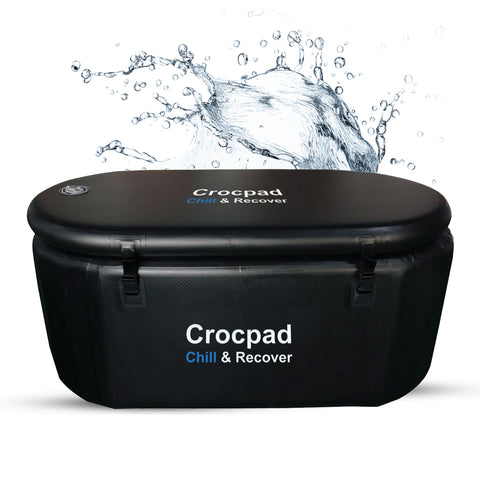
Crocpad offers a portable ice bath for athletes who want cold-water immersion as part of their travel routine. Explore Crocpad’s portable ice bath if you’ve weighed tub fit, packed weight and cooling options and want a portable setup for training trips.
Think about where you’ll use the tub, how you’ll cool the water and how it fits into your travel plans. Those choices help you decide whether a portable ice bath suits your routine. Crocpad also offers recreational products such as the Floating Water Mat and inflatable pool slides, including the Minima Pool Slide and Megalo 3M Inflatable Water Pool Slide.
Contact Crocpad to discuss its portable ice bath.
Make your next travel setup count
Choosing a portable cold plunge tub for athletic travel is also a chance to build a routine around training, travel and recovery. Think about where you’ll use it and what will make setup practical at your destination. A simple plan can help cold-water immersion feel like a considered part of your trip, rather than another item to manage.
Keep your next step straightforward: explore the portable ice bath option, then decide whether it suits the way you travel and train. Crocpad also offers a Floating Water Mat, Minima Pool Slide and Megalo 3M Inflatable Water Pool Slide for recreational water activities.
Contact Crocpad about your options and take the next step towards a travel routine that works for you.
Frequently Asked Questions
Can inflatable ice bath tubs support full-body immersion?
Yes, if the tub’s interior dimensions and water depth suit your body and preferred position. A longer, wider design may let you stretch out, while an upright barrel usually encourages a seated posture. Compare the usable interior, not just the stated capacity. For full-body immersion, consider whether the water can cover the areas you intend to immerse without exceeding the manufacturer’s fill guidance.
Is an Ice Bath Worth It?
An ice bath may be worthwhile if cold-water immersion fits your routine, budget and travel plans. It takes time to fill, cool, drain and clean, so consider whether you’ll use it often enough to justify packing the equipment. Cold exposure can be demanding, and it isn’t suitable for everyone. People with heart conditions should speak with a doctor before starting; keep sessions short and avoid ice bathing for children under 18.
How much do portable cold plunge tubs cost in Australia?
Prices vary by tub format and whether the setup includes powered cooling or other equipment. For an Australian-dollar comparison, compare tubs with similar dimensions and inclusions, then assess the complete setup rather than relying on a tub-only price. Consider ongoing requirements, too: ice-based cooling needs access to ice, while a chiller needs power. The right choice suits your travel routine and intended use.
What are the packed dimensions and weights of travel-friendly cold plunge tubs?
They vary by model, shape, material and included equipment, so use each product’s packed measurements rather than its filled dimensions. For a tub used at camps or competitions, a useful guide is a packed weight under 10 lb. Add the pump, cover or chiller to your carrying estimate. A compact bundle still needs to fit your vehicle or luggage alongside your other training gear.
Which portable cold plunge tubs are easiest to set up, drain, and pack away?
An inflatable tub can be practical if you’re comfortable inflating it before use and deflating it after draining. A foldable design avoids inflation, while a rigid tub generally needs more storage space. For travel, consider the full sequence: prepare the site, set up the tub, drain it, dry it and pack it. The easiest format is the one whose steps suit your destination and schedule.
Do portable cold plunge tubs need an ice maker or chiller, and what are the power requirements?
No, a tub can be cooled with ice without an ice maker or chiller. Some models use insulation or cooling systems, so ice may not be needed for every session. A powered chiller needs an appropriate power source, and its specific requirements depend on the unit. Check the chiller’s electrical specifications and the destination’s available power before packing, especially when travelling to a campsite or remote training location.
What water hygiene and cleaning steps are needed when using a cold plunge tub while travelling?
Rinse and wipe down the tub after each use, then let it dry before packing. Weekly use of a natural disinfectant can help keep the water fresh and hygienic. On a trip, clean the tub before storing it between venues, and keep it separate from damp towels or dirty footwear. Follow the tub’s care instructions, as cleaning products and methods can differ between materials.
How do inflatable, foldable, and rigid portable cold plunge tubs compare for athletes?
Inflatable tubs deflate for packing but need inflation at your destination. Foldable tubs collapse without inflation, while rigid tubs retain their shape and usually demand more storage room. Athletes travelling by car may prioritise quick setup and carrying weight; those with a fixed training base may value a sturdier, ready-to-use format. Compare the complete packed setup, including any pump or chiller, with the way you travel.