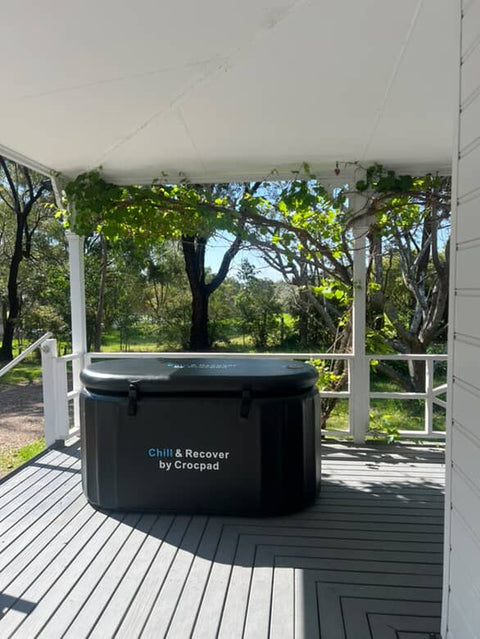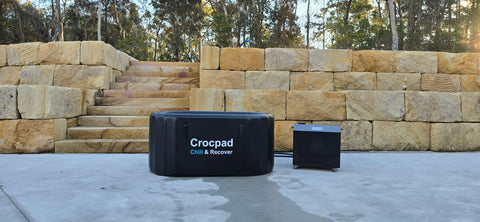
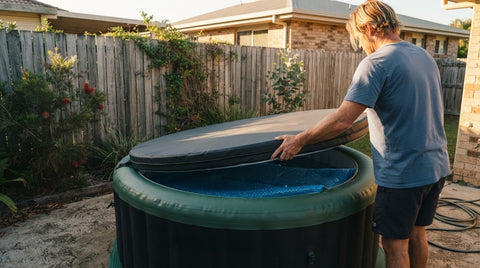
A cover slows warming; it doesn’t chill the water. A cold plunge tub cover to prevent heat gain should shield the exposed water from warm air and sunlight, while a well-fitted lid helps limit heat exchange at the opening. But a cover is only part of the picture: heat can still pass through the tub walls, and direct sun can warm the water.
It’s easy to assume any cover will do the job. Mesh and leaf covers mainly keep debris out, while an insulating, secure lid offers better protection against temperature changes. Even then, no cover replaces active cooling.
This guide explains how covers limit heat gain through exposed water and tub walls, how hard lids, roll covers and floating blankets compare, and what to expect in Australia’s cold or sunny weather. It also covers why shade matters, what a cover can and can’t do, and how to choose an approach that helps your plunge stay ready for your next cold-water session.
Key Takeaways
- Choose a fitted, insulated cover that shields the full opening and stays secure in changing weather.
- A cover slows heat gain through exposed water, but insulation around the tub walls can also matter.
- Hard lids, roll covers and floating blankets offer different approaches; the best fit depends on your tub and setup.
- In cold weather, insulation can slow heat loss and freezing, but it doesn’t guarantee freeze protection.
- Shade your plunge from direct sun to help limit daytime warming, especially when it’s not in use.
What does a cold plunge cover actually do?
A cover separates the water from warm air, sunlight and debris. To choose a cold plunge tub cover to prevent heat gain, start with how well it fits the opening, its insulation and the tub’s exposure to Australian weather.
Layering Floating Covers and Insulated Lids
A floating thermal cover rests on the water beneath a separate insulated lid. The two layers work at different points: the blanket covers the water’s surface, while the lid insulates the opening. For an outdoor plunge, this combination can help limit heat exchange from above. Remove both layers fully before a session, and keep the lid secured when the tub isn’t in use.
Cover Types and Insulation Properties
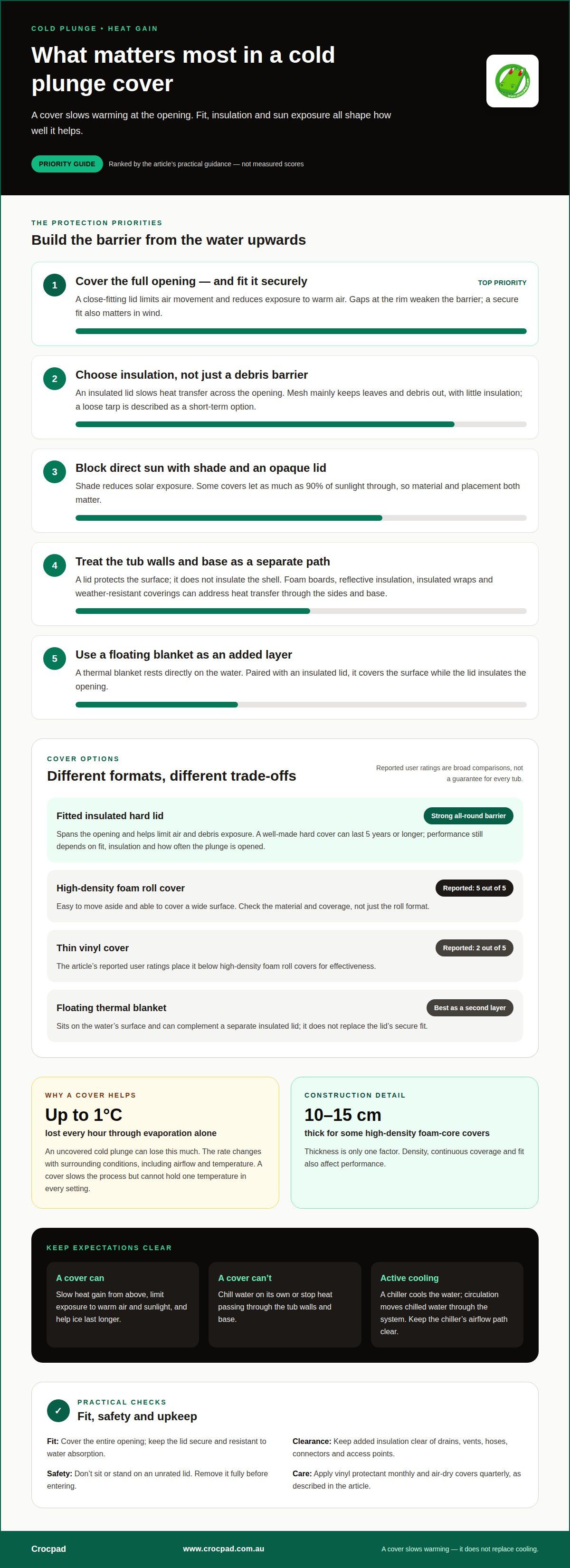
An insulated lid slows heat transfer across the opening; a floating blanket sits directly on the water. Mesh covers mainly keep leaves and debris out, offering little insulation. A tarp can block debris, but its loose seal makes it a short-term option. Some high-density foam-core covers are about 10 to 15 cm thick. Thickness is only one factor: density, continuous coverage and fit also affect performance.
How Covers Reduce Heat Gain
A cold plunge tub cover to prevent heat gain reduces the water’s exposure to sunlight and warm air. A close-fitting lid also limits air movement across the opening. Gaps at the rim weaken that barrier, while opening the tub lets surrounding air reach the water. A cover slows warming and can help ice last longer, but it doesn’t chill water on its own.
Choosing a Fitted, Weather-Resistant Cover
Choose a lid that covers the entire opening, resists water absorption and stays secure in wind. In Australia, prices vary with dimensions, materials and insulation, so compare covers with similar sizes and construction. If an R-value is quoted, check that it describes the complete tub assembly rather than a foam sample. Keep added insulation clear of drains, vents, hoses, connectors and access points.
Safety and Everyday Use
A cover isn’t a platform unless its maker specifically rates it for that purpose. Don’t sit or stand on an unrated lid. In households with young children or pets, use a firm, secured cover, but maintain supervision and a locked barrier. Before entering, remove the lid fully and place it where it won’t obstruct access or create a trip hazard.
Heat gain through tub walls and exposed water
A lid addresses heat exchange at the water’s surface, but warmth can also enter through the tub walls and base. In Australian outdoor conditions, direct sunlight, warm air and wind can all affect water temperature. A cover limits exposure at the top; insulation around the shell addresses a different path.
Without a cover, evaporation carries heat away from the water. An uncovered cold plunge can lose up to 1°C every hour through evaporation alone. The rate changes with surrounding conditions, including airflow and temperature. A cover slows this process and helps reduce water loss, but it won’t hold one temperature in every setting.
Sunlight adds another source of heat. A plunge left uncovered in direct sun receives warmth at the surface, while shade reduces that exposure. Some covers let as much as 90 per cent of sunlight through, so a cover’s material and placement matter. A shaded position and an opaque, well-fitted lid work together to reduce daytime warming.
The tub shell needs attention too. Foam boards, reflective insulation, insulated wraps and weather-resistant coverings can reduce heat transfer through the sides and base of a simple or DIY plunge. Choose insulation that suits the tub’s construction and doesn’t block drains, vents, hoses or connectors. Keep the base flat, strong and safe when wet; stability comes before adding insulation.
A chiller actively cools the water, while circulation moves chilled water through the system. Clean water and good flow support cooling performance. Keep the chiller’s airflow path clear, and don’t wrap its cabinet or place it inside a tightly insulated box. The unit must release heat as it runs. Insulation can reduce heat entering the tub, but it can’t replace the chiller’s cooling action.
With a chiller, check the water temperature at consistent times and note whether the lid is on. Compare readings under similar conditions, including sunlight and ambient temperature. This helps distinguish heat entering through the shell from changes caused by opening the tub or interrupted circulation. A sudden temperature change may also point to a flow issue rather than a cover problem.
For cover care in Australia’s varied climate, clear debris, clean the surface according to its material, and let it dry fully. Apply vinyl protectant monthly and air-dry covers quarterly to help prevent mildew, cracking and heat loss. Keep electrical plugs and damaged cables visible, and leave chiller clearances unobstructed. For a setup that pairs a plunge with active cooling, explore ice baths and chillers.
Roll covers versus hard covers and floating blankets
For most cold plunges, a fitted insulated hard lid offers the strongest all-round barrier at the opening. A floating thermal blanket rests directly on the water, so it can complement a lid rather than replace its insulation and secure fit.
Hard covers suit tubs left filled between sessions because they span the opening and help limit exposure to air and debris. A well-made hard cover can last 5 years or longer. Its performance still depends on the fit, insulation and how often the plunge is opened. A lid that leaves gaps around the rim allows more air movement than one that sits securely across the opening.
Roll covers offer a different balance: they’re easy to move aside and can cover a wide surface. High-density foam roll covers received reported user ratings of 5 out of 5 for effectiveness, compared with 2 out of 5 for thin vinyl covers. These ratings give a broad comparison, not a guarantee for every tub. Check the material and coverage, not just the roll format.
Floating thermal blankets lie directly on the water, reducing the exposed surface. Their position makes them useful as an added layer beneath an insulated lid, especially when a plunge sits outdoors. They’re less effective alone if wind can lift them or the tub opening remains exposed. Remove the blanket fully before entering, and keep it clear of the water during use.
Mesh covers and weather-resistant poly covers mainly help manage debris and outdoor exposure. Reported user ratings put weather-resistant poly covers at 3 out of 5 for effectiveness. Mesh allows air through, so it offers little insulation. A tarp can block leaves temporarily, but a loose fit and poor sealing limit its usefulness for maintaining temperature.
Choose a cover that matches the tub’s shape, opening and location. For example, a fitted lid may suit a plunge exposed to wind, while a floating blanket can add another layer beneath it. In a sunny yard, opaque coverage helps reduce direct sunlight; near trees, a cover that keeps debris out can also ease filter cleaning. Keep drains, vents, hoses and connectors accessible, and don’t place insulation where it obstructs them.
Consider energy use as well as convenience. A cover slows heat gain, which can reduce the work a cooling system must do, but it doesn’t chill water itself. For a tub used often, a roll cover may be easier to open and close; for longer idle periods, a secure insulated lid provides a more complete barrier. Either way, check that the cover stays in place and doesn’t become a trip hazard beside the tub.
Cover performance in cold weather
Cold outdoor weather changes what a plunge cover needs to do. It must slow heat loss from the water and help protect the tub from freezing conditions. Insulation reduces heat transfer, but it doesn’t guarantee freeze protection. No specific protection level is verified here for air temperatures below -6°C. The cover’s fit and the tub’s other insulation also affect performance.
Floating blankets provide a layer directly over the water. Claims that some protect plunge water from frost down to -2°C, or as low as -7°C depending on thickness, aren’t verified here. These figures shouldn’t be treated as a promise that the whole tub or its plumbing is safe. An insulated lid and protection around exposed plumbing address different areas.
A hard, fitted lid helps shield the opening from cold air and wind. Pairing it with a floating blanket can add a layer at the water surface, especially for an outdoor plunge. Keep the lid secured, and make sure the layers don’t block drains, vents, hoses or connectors. A cover’s protection depends on its fit, continuous insulation and exposure to weather.
Cold conditions also affect pipes and equipment. Insulate chilled-water supply and return hoses when both carry cold water, using closed-cell pipe insulation sized to each hose. Keep clamps, unions, quick disconnects and drain valves visible for inspection. Don’t wrap a chiller cabinet or pump motor; airflow helps the chiller release heat, while wrapping a motor can trap heat and moisture.
Indoors, keep the plunge away from hot rooms and heat-generating equipment. Outdoors, a sheltered position can reduce wind exposure, while a secure cover helps keep weather and debris away. Neither placement nor insulation actively cools water. A chiller provides active cooling; the cover helps slow temperature changes between sessions.
To judge whether insulation helps, compare readings under similar conditions. Record the starting water temperature, chiller setpoint, ambient temperature, lid position and observation period. Keep those conditions consistent before and after adding insulation. A warmer starting temperature or longer observation period can make the comparison misleading. Track each reading in degrees Celsius.
Cleaning and drying matter through Australia’s changing weather. Clear leaves and moisture from the cover, then let it air-dry as needed. A quarterly drying schedule and monthly vinyl protectant application aren’t verified as universal recommendations; follow the cover manufacturer’s care instructions. In cool, damp conditions, let the cover dry fully before storage. Inspect seams and edges after cold spells, and replace a cover that no longer fits securely.
Preventing solar heat gain
Direct sunlight can warm cold water through the exposed surface and the tub shell. Shade is the first defence, while an opaque, fitted cover adds protection whenever the plunge is idle. Consider the sun’s path across your outdoor space, not just where sunlight falls at midday. A tub beside a west-facing wall, for example, may receive direct afternoon sun even if it’s shaded in the morning.
Choose a position that stays shaded for as much of the day as possible. A roofed area or well-placed shade structure can reduce direct exposure without enclosing the tub. Keep access clear and leave the chiller’s airflow path unobstructed. If the tub can’t be moved, a removable shade solution can help during the sunniest periods. Shade slows warming; it doesn’t actively cool the water.
Cover material matters in a sunny spot. A solid, opaque lid blocks direct rays more effectively than mesh, which allows sunlight through. Some covers can let as much as 90 per cent of sunlight pass through, so a cover’s appearance alone doesn’t tell you how much protection it provides. Check the material description and follow the manufacturer’s care and use instructions.
Check the cover’s edges after placing it on the tub. Gaps can leave part of the water surface exposed, while a shifted lid may let sunlight and warm air underneath. Secure the cover as designed, and don’t weigh it down with objects unless the manufacturer permits this. A cold plunge lid isn’t a load-bearing platform unless specifically rated for that purpose.
Solar heat also reaches the outside of the tub. For example, a dark shell on a sunlit deck can absorb warmth, which may then transfer towards the water. Shade the tub itself, not just its opening. Insulated wraps or suitable side insulation can limit heat transfer, but keep drains, vents, hoses and connectors accessible.
Track the effect of shade with comparable observations. Record water temperature, cover position, sun exposure and observation period. Compare similar days and starting temperatures; otherwise, a change may reflect the weather rather than the new placement. Check the reading after the sun has moved, too. A shaded morning followed by direct afternoon sun can produce a different result.
For a simple routine, cover the plunge after each session, keep the lid securely fitted and use shade during the brightest part of the day. Open it only when needed, then replace it promptly. This combination reduces direct solar exposure at the surface and limits warming around the tub. It won’t replace active cooling, but it can help the cold water hold its temperature between uses.
Crocpad
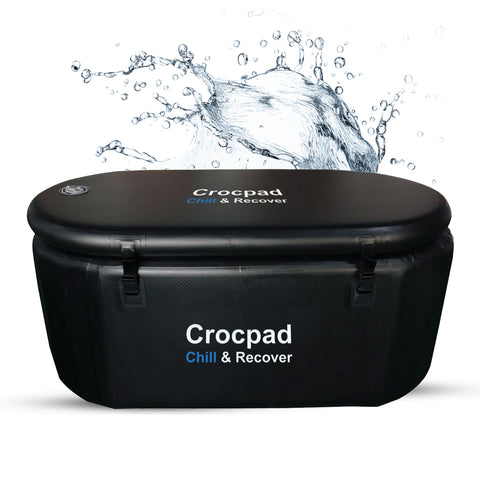
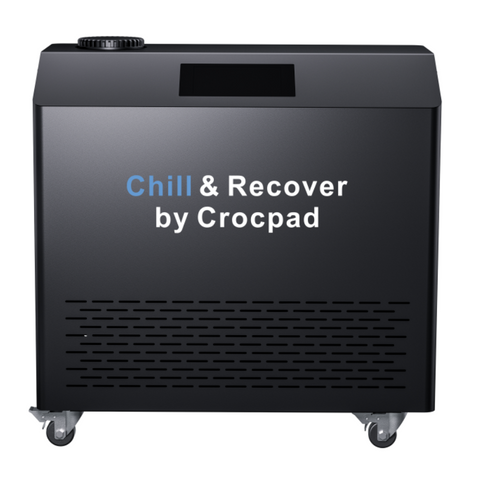
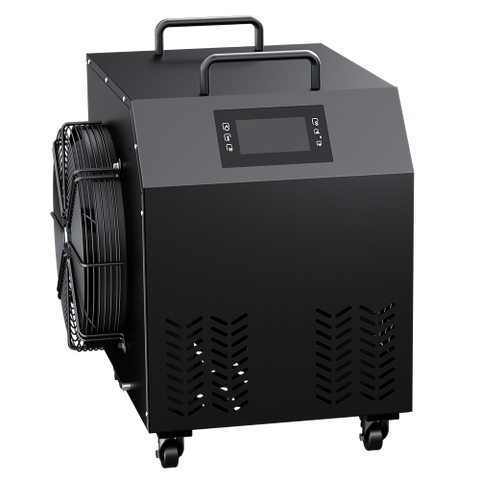
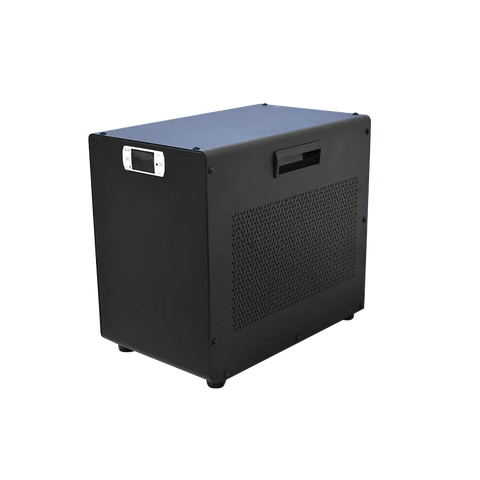
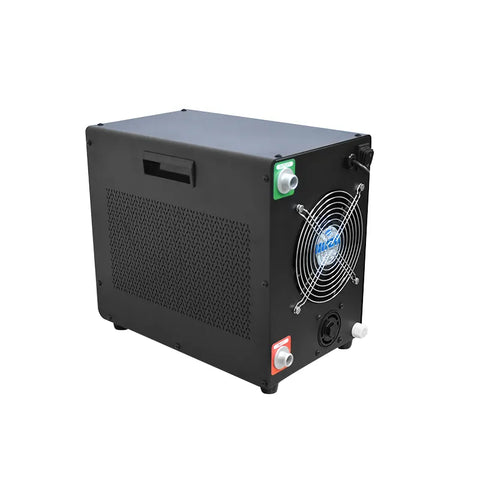
Crocpad offers Ice Baths & Chillers for people building or updating a cold-plunge setup. A cover slows heat gain, while an ice bath and chiller provide the tub and active cooling equipment. Consider your space, exposure to sun and wind, and how you plan to keep the water cold between sessions. These factors help you decide what equipment suits your routine, without treating a cover as a substitute for cooling.
Explore Crocpad’s Ice Baths & Chillers to find cold-plunge equipment for your setup.
Make your plunge setup work for your routine
Choosing a cold plunge tub cover to prevent heat gain is one part of creating a setup that suits your space and how you use it. Consider where the tub sits, how often you’ll use it and how its cooling equipment fits into your routine. A cover helps manage exposure, while active cooling controls the water temperature.
Crocpad offers Ice Baths & Chillers, alongside recreational products including the Floating Water Mat, Minima Pool Slide and Megalo 3M Inflatable Water Pool Slide. If you’re planning your cold-plunge setup and want to discuss your needs, contact Crocpad about your setup.
Build a routine that works for your home and outdoor space, then make cold-water sessions part of your day.
Frequently Asked Questions
Can I use a regular tarp or hot tub cover instead?
A tarp can block leaves, but it generally seals poorly and provides little insulation, so treat it as a short-term cover rather than a heat-control solution. A hot tub cover may work only if it fits the plunge opening and suits its shape and use. Check that it sits securely and doesn’t block hoses, vents or access points. Don’t assume a cover designed for another tub will fit properly.
Does a cover really lower your running costs?
A cover can reduce how quickly a plunge gains heat, which may mean a chiller does less work to maintain its setpoint. The effect depends on the tub’s insulation, ambient temperature, sunlight, wind, lid fit and how often you open it. The cover alone can’t provide a reliable estimate of energy savings. For a useful comparison, track chiller operation under similar weather and usage conditions before and after covering the tub.
What keeps ice bath water cold for longer?
Use a fitted insulated lid, limit direct sun, and keep the plunge in a shaded, sheltered position. For an ice-only setup, add ice shortly before use and replace the cover between sessions. If you need consistent water temperature, a chiller provides active cooling; insulation and shade only slow warming. Avoid leaving the tub open while preparing gear, as the exposed surface exchanges heat with surrounding air.
How much can an insulated cold plunge cover reduce heat gain?
There isn’t one dependable heat-reduction figure for every plunge. A close-fitting, insulated lid can limit heat exchange at the opening, but warmth may still enter through the shell or from direct sunlight. Performance depends on insulation continuity, tub construction, weather and how often the tub is opened. Treat a cover as one part of temperature control, then compare readings at consistent times and under similar conditions to judge its practical effect.
What cover thickness and R-value are recommended for a cold plunge tub?
There’s no single thickness or R-value that suits every Australian plunge. Some high-density foam-core covers used in northern territories are about 10 to 15 cm thick, but that isn’t a universal recommendation for Australian conditions. If a seller quotes an R-value, establish whether it applies to the complete tub assembly or only a foam sample. Fit, coverage and insulation continuity also influence performance.
What materials are best for a UV-resistant, waterproof cold plunge cover in Australia?
Choose a cover described as weather-resistant, resistant to water absorption and suitable for outdoor exposure. High-density foam provides insulation, while a durable outer layer helps protect it from weather and handling. Mesh prioritises debris control, not insulation. Follow the manufacturer’s guidance for sun exposure, cleaning and storage, and inspect seams and edges for wear. No material choice removes the need for a secure fit.
How do I measure and fit a cover to a cold plunge tub?
Measure the opening, not just the outside of the tub. Record its length and width, including curves or uneven edges, then compare those dimensions with the cover’s stated fit. Check how the lid sits around hoses, connectors and access points. Once fitted, make sure it covers the opening fully and stays secure without obstructing equipment. A cover that shifts in wind leaves gaps and can become a hazard.
Can a cover prevent algae, debris and evaporation as well as heat gain?
A cover can keep leaves and other debris out, and limiting sunlight may make conditions less favourable for algae. It also reduces the water’s exposure to air, slowing evaporation. However, a cover doesn’t clean or sanitise the water, and it can’t prevent algae on its own. Keep up with the tub’s cleaning and water-care routine, and remove debris from the cover before opening it.