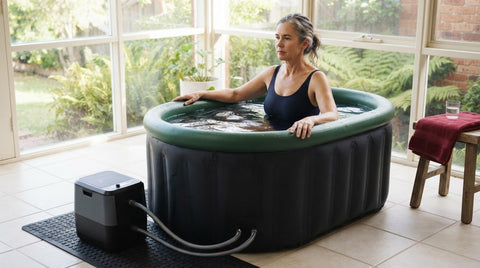
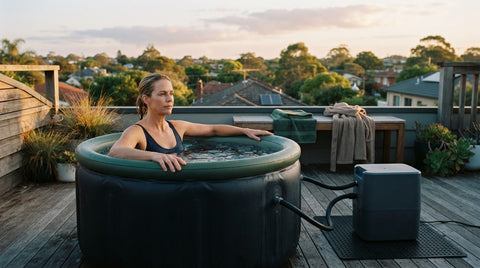
The coldest plunge isn't necessarily the best one for sleep. If you’re testing whether a cold plunge affects your sleep, you might try a session 2 to 3 hours before bed rather than plunging just before you turn in; this timing isn’t a proven sleep recommendation.
It’s reasonable to expect a strong cold stimulus to leave you relaxed, but it may feel energising at first. Give your body time to settle, then notice how you sleep that night rather than assuming a plunge works for everyone.
This guide explains how cold exposure may affect sleep, when to schedule a plunge and what to track while testing a routine. It also compares sauna and cold exposure, outlines a beginner-friendly approach and covers key safety considerations.
Key Takeaways
- Try scheduling a plunge 2 to 3 hours before bed, and avoid placing it close to bedtime if it leaves you feeling alert.
- Start with brief, manageable cold exposure, then adjust gradually based on how your body responds.
- Track plunge timing alongside sleep onset, overnight waking and how rested you feel to spot patterns in your own routine.
- Compare cold plunging with sauna on separate occasions so you can see which approach better suits your wind-down routine.
- If you have an existing health condition, speak with a healthcare professional before trying cold-water immersion.
Is Cold Exposure Safe?
Figures such as 11 studies and 3,177 healthy adults do not, on their own, establish that cold-water immersion is safe for everyone. Use a gradual, closely observed approach, especially if you have an existing health condition.
-
Consider Individual Cold Responses
Start with a controlled exposure and notice how your body responds to the water temperature. Cold may feel invigorating to one person and overwhelming to another, so use your own tolerance as the benchmark.
Pay attention to your breathing, alertness and stress during the session. Leave the water or reduce the exposure if your stress becomes overwhelming. If you have an existing health condition, including heart disease or high blood pressure, consult a healthcare professional before trying cold-water immersion or other cold therapy.
-
Review Stress and Inflammation Responses
Expect a strong initial response, rather than immediate calm. Claims of significant increases in epinephrine after as little as 20 seconds in approximately 40°F water should not be taken as a general prediction of how you will respond. Cold may feel stimulating, which matters if you’re planning exposure near bedtime.
Claims that cold-water immersion reduces stress levels during the 12 hours after exposure, or causes a temporary increase in inflammation immediately afterwards, should not be treated as established outcomes for everyone. Note how you feel during the plunge and afterwards. Don’t push through distress to chase a particular stress response.
-
Consider Nervous System Regulation
Notice your breathing and whether you can stay composed as the cold hits. A strong stress response can make breathing harder to control, so focus on steady, manageable breaths rather than extending the session. Leave the water or reduce the exposure if your stress becomes overwhelming.
Treat alertness as feedback, not proof that your nervous system has settled. Feeling energised immediately after a plunge is different from feeling calm later. Record these responses separately to see whether cold exposure helps you wind down or leaves you keyed up.
-
Choose Morning or Earlier Evening Exposure
Choose morning exposure if a stimulating response fits your day better than your wind-down routine. There is not enough evidence here to identify 5-8 PM as an optimal window. Treat timing as a personal experiment: note the session time, your alertness afterwards and how easily you settle at bedtime.
Keep the exposure controlled, especially when you’re already stressed. A repeatable routine gives you clearer feedback than changing the timing and intensity at once. If evening plunges leave you feeling activated, try an earlier session and compare your response.
Does Sauna and Cold Plunging Help You Sleep Better?
Cold immersion may support sleep for some people, but water temperature, session length and timing all matter. After a plunge, dry off, dress warmly and let your body warm naturally before bed. Avoid jumping straight into a hot shower.
-
Set the Plunge Duration
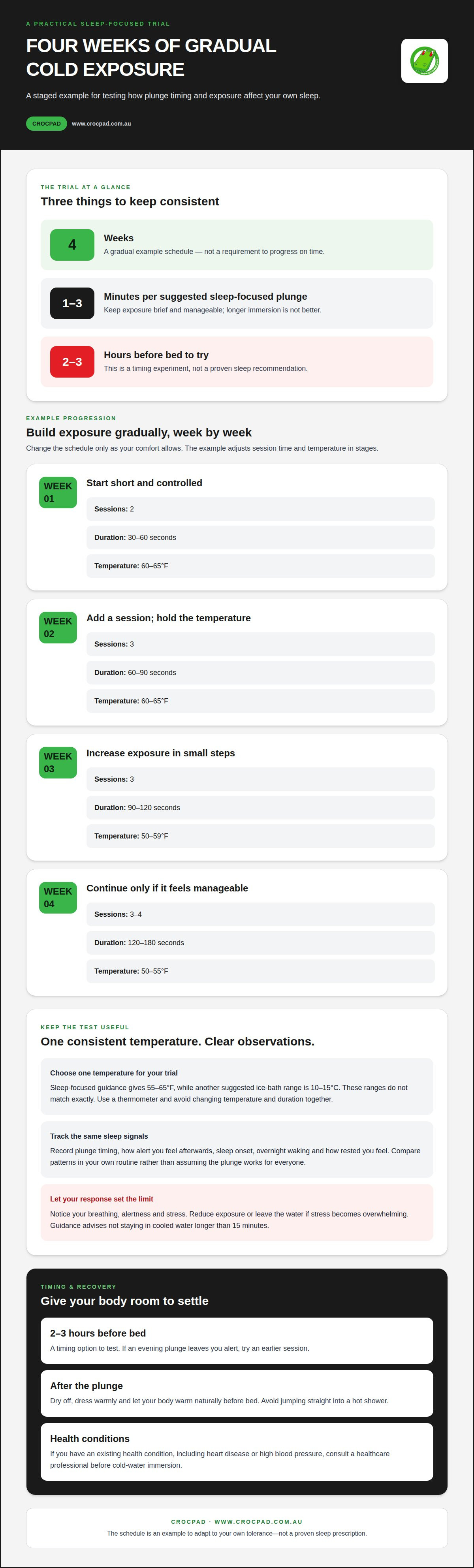
For a sleep-focused trial, keep the plunge brief: a suggested session lasts 1 to 3 minutes. Sleep recommendations place water temperature at 55-65°F, while another suggested ice-bath range is 10 to 15°C. These ranges don’t match exactly, so use a thermometer and choose one consistent temperature for your trial rather than changing temperature and duration together.
Cold-water immersion studies used temperatures from 7°C to 15°C, with sessions ranging from 30 seconds up to two hours. That broad spread describes varied study protocols, not a target to copy. Don’t treat longer immersion as better: the sleep protocol is much shorter, and guidance advises not staying in cooled water longer than 15 minutes.
-
Increase Exposure Gradually
Begin with a manageable temperature and short exposure, then make gradual changes rather than starting at the coldest setting. One suggested four-week sleep experiment begins with two sessions in Week 1, lasting 30-60 seconds at 60-65°F. Week 2 moves to three sessions of 60-90 seconds at the same temperature.
In Week 3, the experiment increases to three sessions of 90-120 seconds at 50-59°F. Week 4 uses three to four sessions of 120-180 seconds at 50-55°F. These are staged examples, not a requirement to progress on schedule. For sauna comparison, a suggested session is 15-20 minutes, scheduled 2-4 hours before bed; contrast therapy pairs sauna with a shorter plunge. The claimed 15-30% increase in deep-sleep duration among regular contrast-therapy users is not substantiated here and should not be treated as an established effect.
-
Consider Core Temperature and Sleep Onset
Think about the temperature shift, not simply how cold the water feels. A drop in core body temperature of 2-3°F is described as a signal for the brain to initiate sleep. After whole-body cold immersion, core temperature remained suppressed for up to 80 minutes in a cited study, so the immediate post-plunge feeling may not reflect your later sleepiness.
Keep cold exposure out of the final hour before bed if it leaves you alert. The claim that cold exposure this close to bedtime may delay sleep onset by 30-60 minutes is not substantiated here. A suggested contrast session places sauna and cold exposure 2-4 hours before bed, leaving time to warm naturally and wind down. If you’re building a regular water-based routine, explore Crocpad’s water recreation range alongside your sleep-focused approach.
CAN AN ICE BATH IMPROVE YOUR SLEEP QUALITY AND HOW DOES IT WORK?
Cold-water immersion may affect relaxation and sleep, but findings relate to specific groups and protocols. When assessing a plunge, keep sleep observations separate from exercise-recovery outcomes.
-
Consider Relaxation and Sleep Effects
Notice how you feel after cold water immersion, not just during the plunge. Some people may feel deeply relaxed 30 to 60 minutes afterwards, while the initial cold response can feel stimulating. Record whether you feel settled, alert or uncomfortable, and whether that changes by bedtime.
Don’t assume a cold shower and an ice bath have identical effects. They differ in how much of the body is immersed and in the sensations they create. Record the method alongside your evening mood, then compare similar sessions.
-
Review Sleep Outcomes
Look at sleep quality and sleep continuity as separate outcomes. According to Authors of the cited meta-analysis, sleep quality was assessed on a 1-5 Likert scale in 1 randomised trial trial, Skein (2018), involving males without prior sleep conditions or altered sleep patterns. That narrow group limits how broadly the result applies.
In the described review, cold-water immersion groups averaged 3.6 out of 5 for sleep quality, compared with 3.1 for control groups. The reported P value was 0.04. Treat those figures as findings from the reviewed evidence, not a promise about your own sleep. The sleep-outcome data linking immersion with better sleep came only from males.
Track how long it takes you to fall asleep, whether you wake overnight and how rested you feel in the morning. A study score can’t capture every part of your personal sleep quality.
-
Consider Slow-Wave Sleep
Separate slow-wave sleep findings from general sleep-quality ratings. A 2021 study of endurance athletes found that whole-body cold-water immersion improved slow-wave sleep during the first three hours of the night. In well-trained endurance runners, 10 minutes at 13.3°C after high-intensity exercise increased slow-wave sleep during the first 180 minutes.
Use this as an example of a specific post-exercise protocol, not a universal bedtime routine. The study involved trained athletes after intense exercise, so its context matters. Cold-water immersion within about four hours after training can limit some strength, hypertrophy or endurance gains. To reduce that potential effect, wait 6 to 8 or more hours after training before immersing.
Assess sleep and recovery separately. Repeated ice use may hinder muscle growth by impairing muscle protein synthesis, so don’t treat better sleep as the only outcome that matters.
Sleep tracking and adjusting plunge timing
Keep a simple sleep record to see whether cold therapy supports your nights. Hold session timing steady before changing your routine.
-
Track Sleep After a Plunge
Record the plunge time, bedtime, estimated sleep onset and overnight waking after each session. Add a brief note about how alert or relaxed you felt afterwards. A sleep tracker can show measurable differences within 5 to 7 days, but compare its readings with how rested you feel, too.
Keep the rest of your evening rhythm as steady as possible. For example, avoid changing your plunge time, bedtime and wind-down routine all at once. Try afternoon cold therapy for 2-3 weeks, then look for patterns in sleep continuity rather than judging one unusual night.
Include nights without a plunge as a useful comparison. Note whether you fell asleep more easily, woke less often or felt different in the morning. This helps you distinguish a repeatable pattern from one unusually good or poor night.
-
Adjust Plunge Timing
Schedule a session 2 to 3 hours before bed as a starting point. Cold exposure within 1 hour of bedtime isn’t recommended for most people, and may delay sleep onset by 30-60 minutes. If you’re a light sleeper, leave 3-4 hours between the plunge and bedtime.
Try the late-afternoon window of 2 pm to 6 pm when it fits your routine. If a session at 5 pm leaves you alert at bedtime, move it earlier and record the change. Keep the plunge duration and temperature steady while testing timing, so you can interpret the result more clearly.
Sauna provides another timing comparison. A suggested session lasts 15-20 minutes at 160-180°F, scheduled 2-4 hours before bed. Leave at least 1-2 hours between sauna and bedtime, and track sauna nights separately from plunge nights.
-
Account for Individual Timing Differences
Use your sleep onset and next-morning energy to guide adjustments. An afternoon session may suit one person’s routine, while another may feel stimulated for longer. If a late plunge disrupts your wind-down, move it earlier rather than extending the exposure.
Change one variable at a time over a consistent trial. For example, keep the session unchanged and move its timing earlier; compare the resulting sleep notes across 2-3 weeks. If you also use a sauna, record its timing and response separately to avoid mixing the effects.
Review the pattern each week, including nights with and without cold exposure. Keep the schedule that supports easier sleep onset and steadier mornings, rather than chasing a tracker score alone.
What is a safe beginner cold plunge protocol and how should exposure increase
Build a routine around brief, deliberate sessions rather than chasing the coldest water. A basic protocol totals 11 minutes of cold exposure per week, divided into manageable sessions.
-
Choose a manageable starting point. Begin with a temperature and session length you can tolerate while staying composed. A suggested morning plunge is 2-3 minutes at 50-60°F, within 1-2 hours of waking. Treat this as one option, not a target to force on your first attempt.
Notice your breathing and alertness as you enter the water. If the exposure feels overwhelming, get out and try a gentler session another time.
-
Spread exposure across the week. Divide the 11-minute weekly total into 2-4 sessions, each lasting 1-5 minutes. For example, shorter sessions across several days can feel more manageable than one longer plunge. Keep the schedule steady before changing duration or temperature.
Aim for a short, intentional session. Don’t extend it just to reach a weekly total if you’re uncomfortable.
-
Progress one variable at a time. Once a session feels manageable, adjust either its duration or the water temperature, not both. For example, keep the temperature steady while gradually extending a brief session. This makes it easier to identify which change affects your response.
You don’t need to progress on a fixed timetable. Repeat a level that feels controlled before making another change, and stop if stress becomes overwhelming.
-
Fit sessions around sleep and training. If you’re using cold exposure for sleep, schedule it earlier rather than immediately before bed. If you also train, cold-water immersion within about 4 hours after training can limit some strength, hypertrophy or endurance gains. Waiting 6 to 8 or more hours after training may help avoid limiting those adaptations.
Be clear about why you’re plunging. A sleep-focused session and a post-training recovery session may call for different timing.
-
Review your response before increasing exposure. Note the session length, water temperature, time of day and how you feel afterwards. Compare these details with your sleep and next-morning energy, then repeat an approach that feels manageable. Let your body warm naturally after leaving the water.
For a practical next step, explore cold-plunge options and choose a routine that suits your space and schedule.
Crocpad
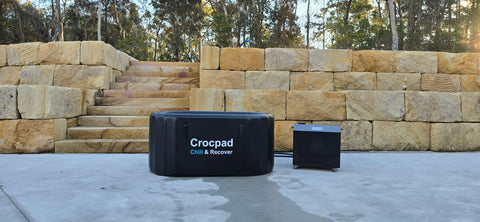
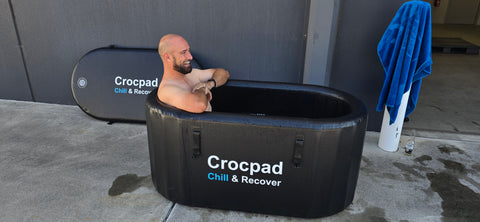
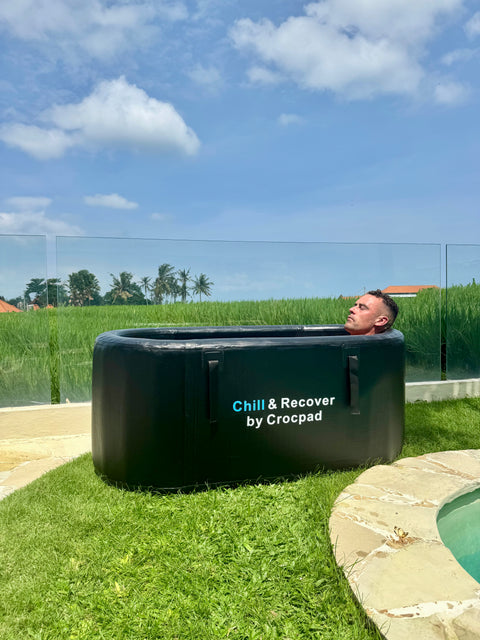
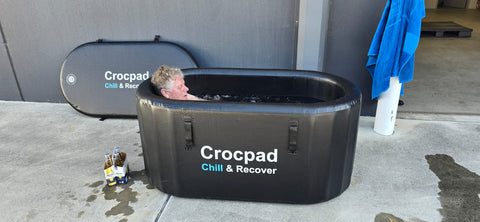
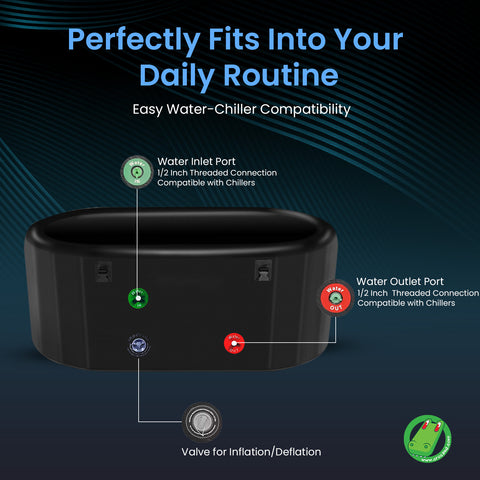
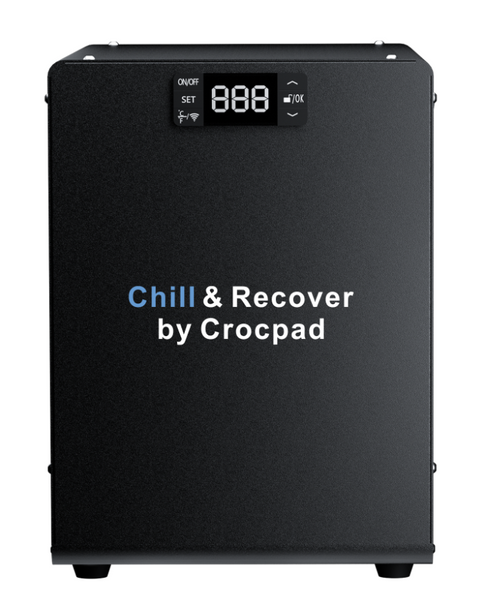
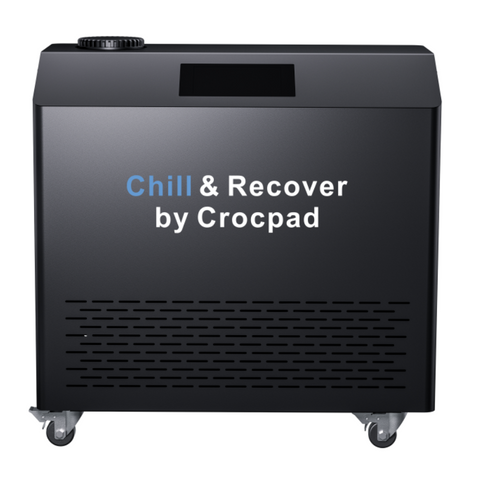
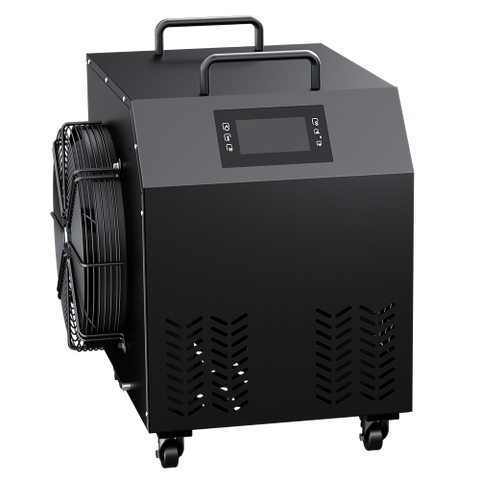
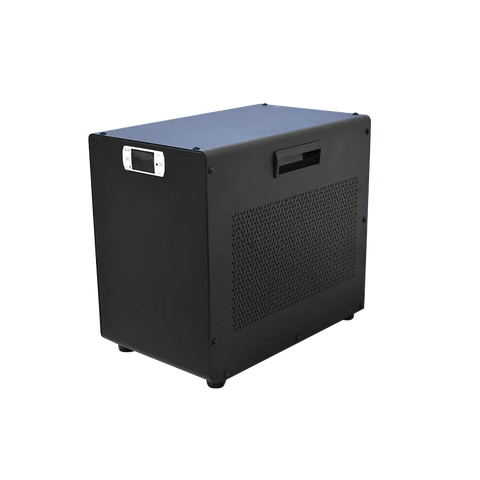
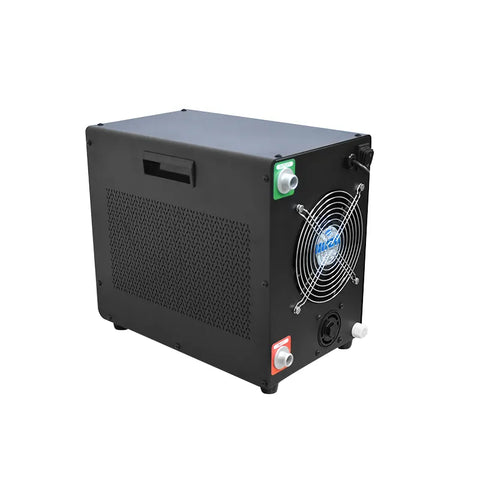
Crocpad offers Ice Baths & Chillers for people looking to make cold-water immersion part of a regular routine. They provide an equipment option to consider as you apply the timing and tracking steps in this guide. Keep your plunge schedule guided by your own sleep observations, and seek health advice before cold exposure if you have an existing health condition.
An ice bath is not a sleep treatment, and equipment alone can’t determine the right temperature or session length for you. Use a measured, gradual approach and adjust your routine according to your response. If you’d like to discuss the available options, contact Crocpad.
Build a routine that fits your nights
Let your sleep pattern, not the appeal of a more intense plunge, guide your next adjustment. Treat the cold plunge protocol for deep sleep improvement as a personal experiment: keep the routine manageable, observe how it affects your evenings and adjust based on what you notice. Consistency makes your observations more useful than chasing a dramatic change in one night.
Cold immersion isn’t the right next step for everyone. If you have a health condition, follow a healthcare professional’s advice before starting. If a dedicated setup would help you practise consistently, explore Crocpad’s Ice Baths & Chillers.
Contact Crocpad to discuss your project, and take your next step towards a routine that feels considered, sustainable and suited to you.
Frequently Asked Questions
Can you ice bath every day?
Daily ice baths are possible, but frequency should suit your response and reason for plunging. Don’t increase frequency and exposure time together, as it becomes harder to identify what’s causing discomfort or affecting sleep. If you’re training for strength or muscle growth, consider recovery timing, since repeated cold-water immersion may hinder muscle growth. Stop if the exposure feels overwhelming, and seek clinical advice first if you have a health condition.
Can cold plunging keep you awake?
Yes, a plunge can leave you feeling alert, particularly close to bedtime. If an evening session makes you feel energised rather than relaxed, try moving it earlier and see whether winding down feels easier. Note your mood and how long it takes to fall asleep. Cold exposure affects people differently, so your own response is more useful than assuming every plunge will make you sleepy.
How long before bed should you plunge?
As a starting point, leave 2 to 3 hours between a plunge and bedtime. A cold plunge protocol for deep sleep improvement should also account for your response: if you’re sensitive to stimulation or tend to lie awake, try an earlier session and compare your sleep notes. Keep the plunge routine otherwise consistent while testing the change, and avoid scheduling it immediately before bed.
Ice bath, cold shower, or cryo?
Choose a method you can use consistently and comfortably. An ice bath immerses more of your body in cold water, while a shower exposes you to moving water; cryotherapy uses a different form of cold exposure. The sleep findings discussed here focus mainly on water immersion and cold showers, so they don’t establish one method as best. Don’t assume their temperatures or durations are interchangeable.
Does cold plunging improve deep sleep or overall sleep quality?
Cold plunging may affect sleep, but the findings don’t establish a reliable benefit for everyone. Some research has examined slow-wave sleep, while other work has assessed overall sleep quality. These are distinct outcomes: a change in one doesn’t automatically mean you’ll feel more rested. Track how long it takes to fall asleep, overnight waking and morning alertness instead of relying on a single sleep-stage score.
What does research say about cold-water immersion and sleep, and how strong is the evidence?
Research reports possible sleep benefits, but the evidence described here is narrow. Sleep-quality findings include a randomised trial involving males without prior sleep conditions or altered sleep patterns. A separate study examined trained endurance athletes after intense exercise. These groups and situations don’t represent everyone. Treat the results as a reason to observe your own response, not proof that immersion will improve your sleep.
What water temperature and immersion duration are recommended for a cold plunge?
For a sleep-focused plunge, a suggested water temperature is 10 to 15°C, with a brief session of 1 to 3 minutes. Use a thermometer rather than judging the water by feel, and keep your chosen setting consistent while you assess your response. Study protocols vary, so longer or colder exposure isn’t automatically more useful. Leave the water if the experience becomes overwhelming.
How long before bedtime should you cold plunge to avoid disrupting sleep?
Leave at least 2 to 3 hours before bed as a practical starting point, then adjust earlier if you’re a light sleeper. Treat a cold plunge protocol for deep sleep improvement as a personal experiment: keep your usual bedtime steady and shift the plunge earlier if it leaves you alert. Record sleep onset and how rested you feel the next morning.