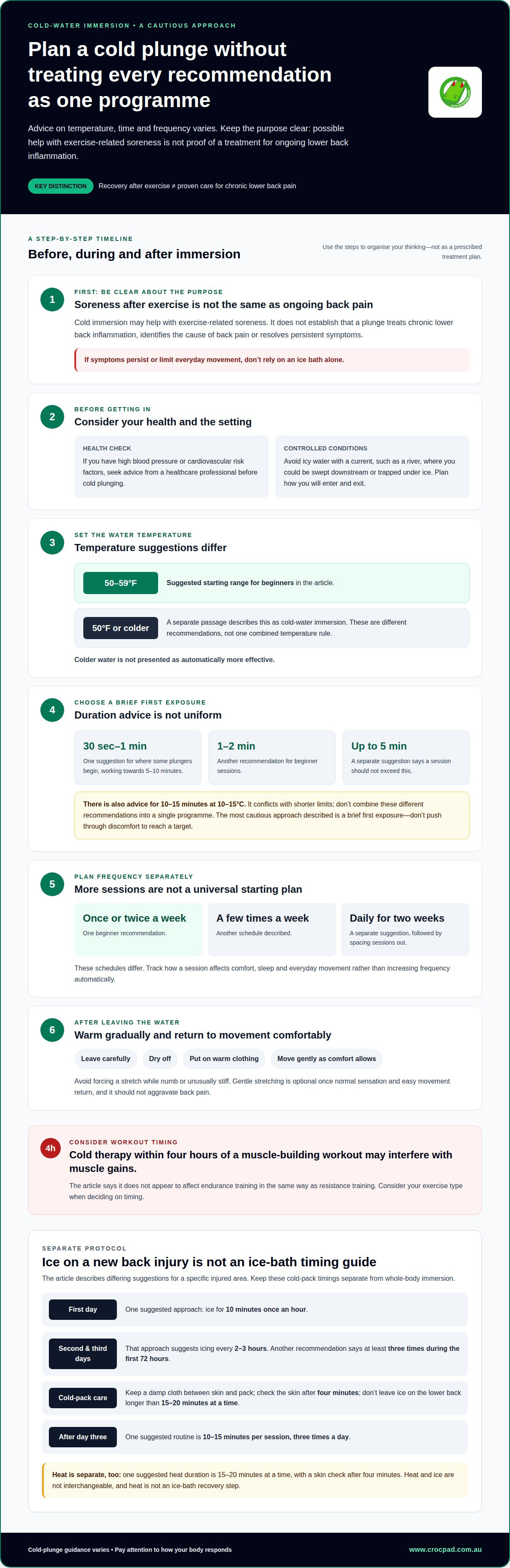
An ice bath isn’t automatically the answer for a sore, inflamed lower back. If you’re considering a cold plunge for chronic lower back inflammation, a suggested starting range for beginners is 50 to 59 degrees Fahrenheit, but cold-water immersion shouldn’t be treated as a proven fix for ongoing back pain.
It’s understandable to look for a simple way to ease discomfort and get moving again. Cold-water immersion may help with exercise-related soreness, but that does not establish it as a treatment for chronic lower back inflammation. The cause and timing of your symptoms matter.
Here, you’ll learn what a cold plunge involves, what water temperature means in practice, and what to consider before trying one. We’ll compare cold with heat for lower back pain and explain how ice baths and chillers can fit into a recovery routine, with safety in mind.
Key Takeaways
- For a beginner, the suggested cold-plunge water range is 50 to 59 degrees Fahrenheit. Start gently rather than treating colder water as more effective.
- Cold-water immersion may ease exercise-related soreness, but it shouldn’t be assumed to resolve ongoing lower back inflammation.
- Build your understanding of ice-bath frequency and duration around a gradual approach, and pay attention to how your body responds.
- If you have high blood pressure or cardiovascular risk factors, seek advice from a healthcare professional before cold plunging.
- Heat and ice have different roles in lower back care. Learn when each may be useful and how to apply them with care.
What are the basics of cold-water immersion?
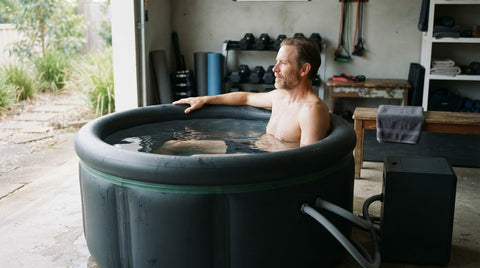
Cold-water immersion means partly or fully submerging your body in cold water for a few minutes. It may affect how muscles feel after exercise, but it is not a treatment for every cause of back pain.
Cold Immersion and Inflammation
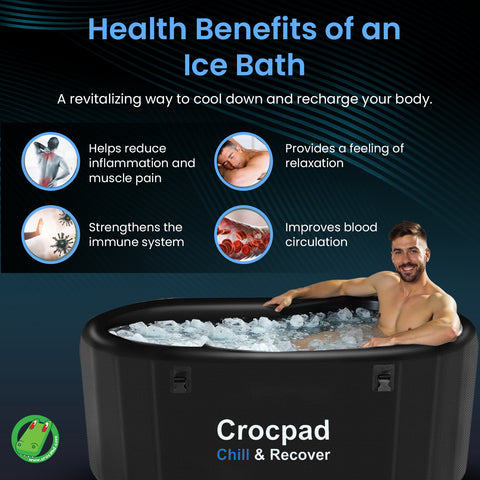
Cold immersion exposes the body to cold water, which may reduce exercise-induced muscle damage, inflammation and soreness. That matters because post-exercise discomfort can affect movement and next-day physical function. The potential benefit described here relates to recovery after exercise, not proof that a cold plunge resolves chronic lower back inflammation. Keep that distinction clear when weighing an ice bath against other approaches.
Cold Immersion and Back Pain
Back pain can have different causes, and a response to cold immersion neither identifies nor treats the underlying cause. Cold water may temporarily change how discomfort feels, but the information here concerns exercise-related soreness, not chronic lower back pain. If symptoms persist or limit everyday movement, focus on understanding their cause rather than relying on an ice bath alone.
Warming Up After Immersion
After immersion, allow your body to return to comfortable movement before resuming activity. Leave the water carefully, dry off, put on warm clothing and move gently as comfort allows. Avoid forcing a stretch while you feel numb or unusually stiff. Once normal sensation and easy movement return, gentle stretching may fit your routine, but it should not aggravate back pain.
A cold-water immersion session may be continuous or divided into shorter periods with breaks. The water should be 50 F or colder for cold-water immersion, and an ice bath can lower core body temperature by a few degrees. These effects make session control important, rather than treating a colder or longer plunge as automatically better.
Cold exposure can affect training differently depending on the activity. Cold therapy within four hours of a muscle-building workout may interfere with muscle gains. It does not appear to affect endurance training in the same way as resistance training, so consider your exercise type when deciding on timing.
Choose a safe setting. Avoid icy water with a current, such as a river, where you could be swept downstream or trapped under ice. A controlled immersion setting avoids those specific hazards. After leaving the water, warm gradually and return to activity only when comfortable. Stretching is optional, not a test of recovery.
ARE ICE BATHS HEALTHY?
Ice-bath guidance varies, particularly on session length and frequency. Keep general cold-plunge routines separate from using ice on a specific back injury.
Ice Application Timing
Ice application timing means choosing how long and how often to cool an injured area. One suggested approach is icing for 10 minutes once an hour on the first day after a new back injury, then every two to three hours on the second and third days. Another recommendation is icing at least three times during the first 72 hours, showing that schedules differ.
Keep a damp cloth between your skin and a cold pack, and check your skin after four minutes. Avoid keeping ice on the lower back for longer than 15 to 20 minutes at a time. After the first three days, one suggested routine is 10 to 15 minutes per session, three times a day. These are injury-care suggestions, not ice-bath timings.
Session Duration and Progression
Session duration is the time spent immersed, while progression means increasing exposure gradually. Some cold-water plungers begin with 30 seconds to a minute and work towards five to 10 minutes. Another recommendation says beginners should limit sessions to one or two minutes, while a separate suggestion says a session should not exceed five minutes.
Other advice recommends 10 to 15 minutes in water at 10 to 15 degrees Celsius, which conflicts with the shorter limits. Treat these as different recommendations, not steps in one combined programme. The most cautious beginner approach in these suggestions is a brief first exposure, without pushing through discomfort to reach a target.
Session Frequency
Session frequency is how often you take an ice bath, and it affects your total exposure over time. One beginner recommendation is once or twice a week. Other suggestions describe baths a few times a week or daily sessions for two weeks before spacing them out. Some people may tolerate a daily plunge, but it is not a universal starting plan.
These schedules differ, so don’t combine them into a single progression. Track how each session affects comfort, sleep and everyday movement, rather than increasing frequency automatically. Heat application is separate: one suggested duration is 15 to 20 minutes at a time, with a skin check after four minutes. Heat is not an ice-bath recovery step, and the two methods shouldn’t be treated as interchangeable.
For a back injury, follow the cold-pack timing separately from whole-body immersion. If you’re exploring a dedicated cold-water immersion setup, keep session length and frequency aligned with your needs.
Are ‘Cold Plunge’ Ice Baths Good for You?
Cold plunges may support some forms of recovery, but they are not risk-free or a proven treatment for chronic back pain. Effects depend on the person, the purpose and the training routine.
In Australia, the cost of a home plunge depends on the equipment and setup, so one price cannot represent every option. A home plunge is not automatically safe: consider how you will enter and exit, the water conditions and your health before using one.
A plunge may leave your back or muscles feeling more uncomfortable, but the information here does not establish whether it worsens chronic pain or inflammation. Potential recovery benefits relate to exercise-induced soreness, not a confirmed effect on persistent lower back symptoms.
Cold Plunge Evidence
Evidence on cold plunges concerns possible effects on exercise recovery, not a cure for back pain. Cold-water immersion may reduce exercise-induced muscle damage, inflammation and soreness, which can support next-day physical performance. That distinction matters if your goal is to reduce ongoing lower back symptoms: a post-workout effect does not show that chronic inflammation will improve. Track workout soreness separately from back pain.
Breathing and Cardiovascular Risks
Cold immersion can affect breathing and cardiovascular function because it is a demanding exposure for the body. A sudden plunge may feel intense and make calm, steady breathing harder to maintain. If you have cardiovascular risk factors, including high blood pressure, speak with a primary care provider or cardiologist before cold plunging. Feeling comfortable after the initial shock does not establish that the exposure is suitable for you.
Potential Risks and Drawbacks
Potential drawbacks include discomfort and possible effects on training adaptation. Cold-water immersion may hinder long-term improvements in strength, muscle growth and performance for people doing resistance training. Plunging every day after training could also compromise potential long-term performance improvements. If building strength is your priority, weigh that trade-off rather than treating daily plunges as a default routine.
Cold exposure is not a substitute for care for a specific back problem. Feeling less sore after a workout does not show that the cause of persistent pain has changed. If immersion increases discomfort or makes normal movement harder, stop rather than pushing through to chase a recovery effect.
Costs and Home Safety
The cost of a home plunge in Australia depends on the setup and equipment, so one figure would not describe every option. Consider practical details, such as getting in and out safely and keeping the water free from currents. Avoid plunging in icy moving water, including rivers, where you could be swept downstream or trapped under ice.
At home, keep the session controlled and make sure you can leave the water promptly. If you have cardiovascular risk factors, such as high blood pressure, seek medical advice before starting. These practical considerations matter as much as the equipment when deciding whether a home plunge suits your recovery routine.
Heat and ice therapy for lower back pain
Heat and ice may offer short-term relief, but their timing and application differ. For chronic pain in Australia, stay focused on approaches that support movement and function, not only temporary changes in discomfort.
Seek urgent medical care for back pain with new loss of bladder or bowel control, numbness around the groin or marked leg weakness. These symptoms need prompt assessment, not a trial of heat or cold.
Research on Cold Therapy
Research on cold therapy describes possible relief from soreness and inflammation after exercise, not an established treatment for chronic lower back pain. A cold pack or plunge may change how discomfort feels without addressing its cause. CryoSpa cold therapy is another term you may encounter, but exercise-recovery findings do not establish benefits for persistent back pain.
For ongoing back pain, evidence-based care generally focuses on maintaining suitable movement and following a tailored exercise or rehabilitation plan. A physiotherapist can help match activity to your symptoms and function. Heat or ice may be considered for temporary comfort alongside that approach, rather than as a replacement for movement-based care.
Contrast Heat and Cold Therapy
Contrast therapy means alternating heat and cold, but the provided recommendations describe them separately rather than as a required combined routine. For a new injury, one approach uses ice for 10 minutes once an hour on the first day, then every two to three hours on the second and third days. Another suggests switching to heat after three days of icing.
Heat is recommended for 15 to 20 minutes at a time. The American College of Physicians is named in the available material as recommending heat as a first-line treatment for new back pain, but that is not an Australian guideline. Choose the method that helps comfort without assuming alternating them will improve the result.
Protect your skin during either therapy. Check it after four minutes, keep a damp cloth between skin and a cold pack, and avoid leaving ice on the lower back longer than 15 to 20 minutes at a time. Use a heating pad on low or medium, and don’t sleep while it’s switched on.
For an ice towel, freeze a damp towel for 15 minutes before applying it. For a warm towel, microwave a damp towel for 30 to 60 seconds, then test its warmth before use. After the first three days of icing, one suggested routine is 10 to 15 minutes per session, three times a day. Stop if the skin becomes painfully uncomfortable or its condition changes.
Suggested water temperature
For a beginner, suggested cold-plunge water is 50 to 59 degrees Fahrenheit. Temperature and exposure time both matter, especially when you’re considering cold water for back discomfort.
Safe Water Temperatures
Suggested temperature ranges describe different purposes, not a single target for everyone. Beginners are advised to use water between 50 and 59 degrees Fahrenheit, while cold-plunge water should not be colder than 40 degrees Fahrenheit. Treat 40 degrees as a lower boundary, not a goal to reach. Colder water can make an already intense experience harder to tolerate.
Before entering, measure the water temperature rather than judging it by touch. A plunge that feels manageable on your hand may feel very different across your body. A temperature reading also helps distinguish a controlled cold-water session from ordinary cool water. A lower reading does not necessarily mean greater health benefits or more back-pain relief.
Water temperature can affect blood flow and how your body responds to cold exposure. That response does not show that immersion has reduced the cause of chronic pain. Keep the purpose clear: cold-water immersion may be used around physical activity, but temperature is not a diagnosis or treatment for lower back inflammation.
Temperature and Duration Recommendations
For back pain, a cautious starting point is beginner-range water, 50 to 59 degrees Fahrenheit, with a brief initial exposure. Cold plungers commonly start with 30 seconds to a minute, while beginner guidance also suggests one or two minutes. These are general cold-plunge recommendations, not a specific treatment protocol for back pain.
Suggestions for longer sessions differ. One recommendation says not to exceed five minutes, while another describes progressing towards five to 10 minutes. A separate suggestion gives 10 to 15 minutes in water at 10 to 15 degrees Celsius. Don’t combine those ranges into one target. A shorter exposure is the more conservative choice for a beginner.
Temperature and duration work together: colder water makes the experience more demanding, while longer exposure extends it. Change one factor at a time, and leave the water if you feel unwell or cannot stay comfortable. Do not use a timer as a reason to push through distress.
For a lower-back concern, judge a session by its effect on your usual movement afterwards, not by how cold the water feels. Stop if discomfort increases. If you’re considering cold-water equipment for a controlled setup, explore cold-water options and keep your health needs central to the decision.
Crocpad
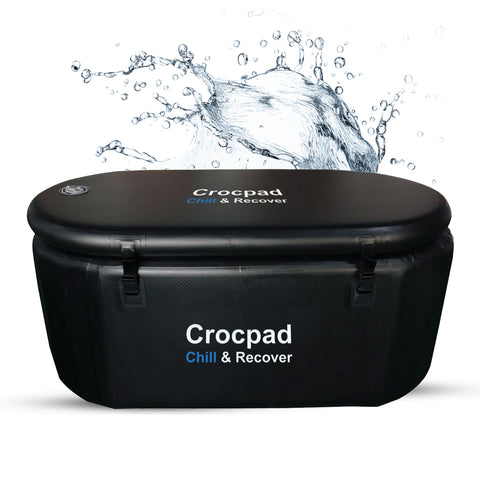
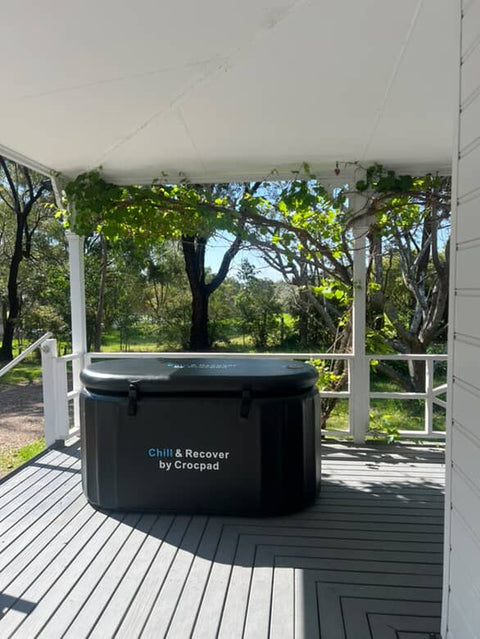
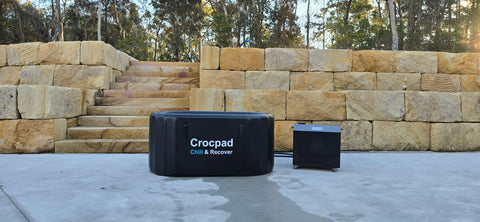
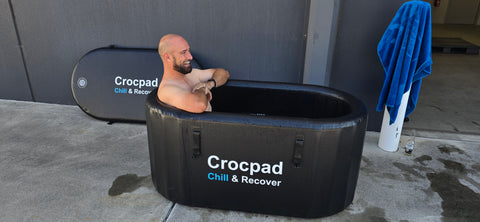
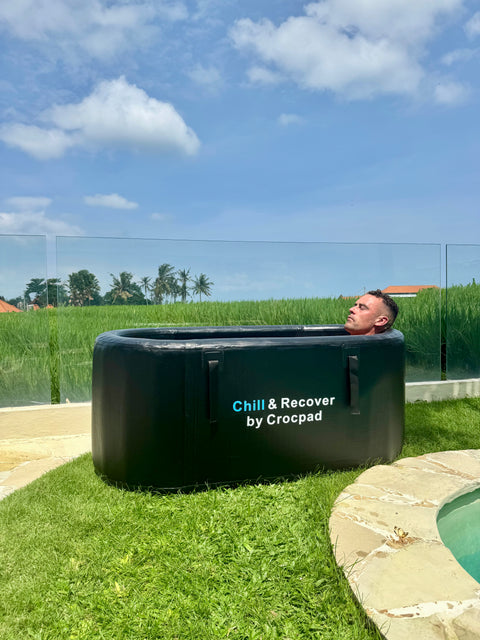
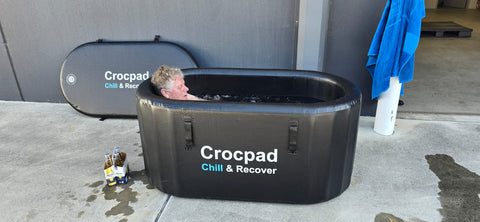
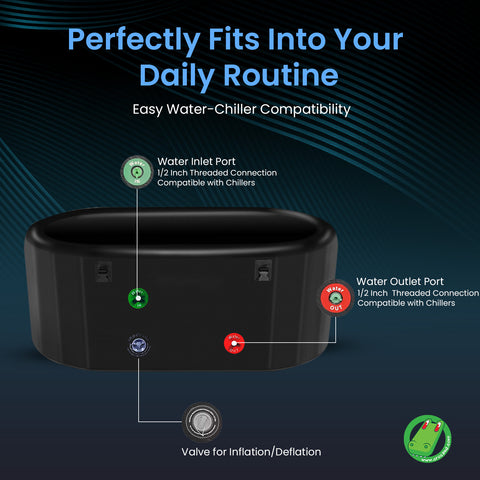
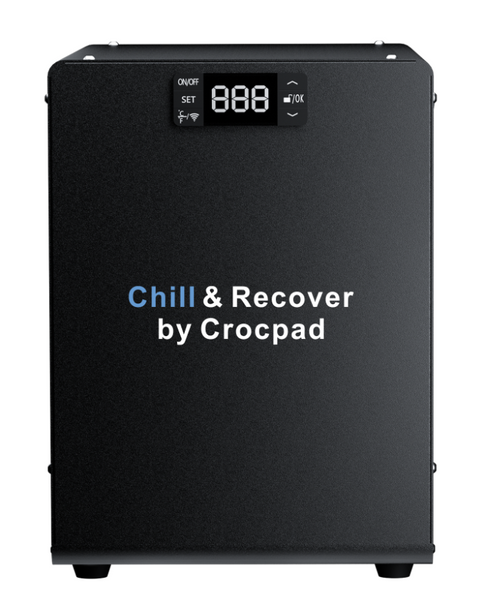
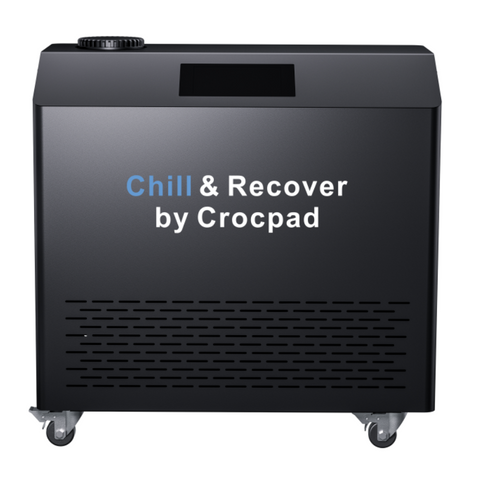
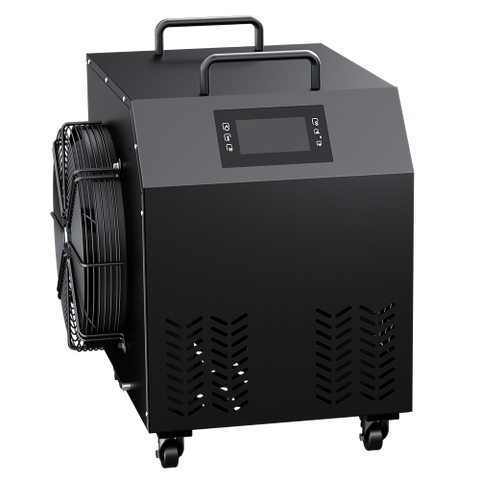
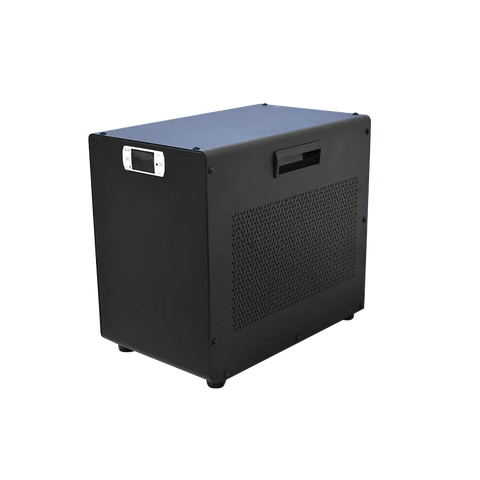
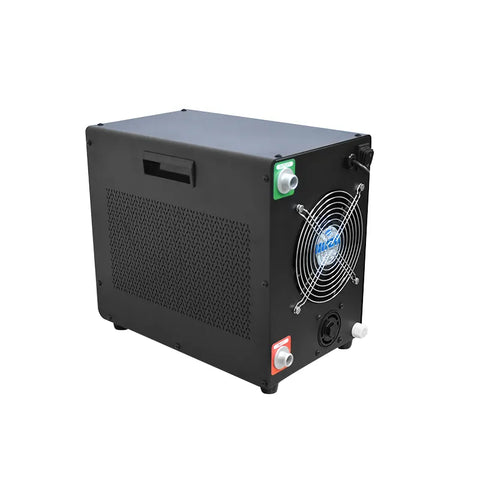
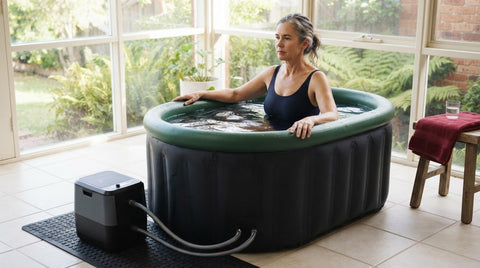
Crocpad offers Ice Baths & Chillers for people exploring cold-water immersion at home. This equipment provides an option for a controlled plunge, but it does not replace medical advice or establish cold therapy as a treatment for chronic lower back inflammation.
Use the temperature and safety considerations in this guide to decide whether cold immersion fits your routine. If you’re considering equipment alongside other water-based recreation, Crocpad also offers a Floating Water Mat and inflatable pool slides.
For questions about Crocpad’s water and recovery products, contact Crocpad.
Choose a recovery approach that supports your next move
Let your next step be guided by what helps you move comfortably through everyday life, not by the intensity of a recovery trend. Notice how different activities affect your back and whether a routine leaves you better able to do the things that matter to you. That practical feedback can help shape a more sustainable approach.
A cold plunge for chronic lower back inflammation may seem appealing, but it should not replace medical care or a plan for persistent symptoms. Keep your goals clear: general recovery after activity and ongoing back pain are different concerns, and the right support depends on what you’re experiencing.
If you’re considering cold-water equipment for recreation or recovery, choose with your intended use in mind. Crocpad also offers a Floating Water Mat, Minima Pool Slide and Megalo 3M Inflatable Water Pool Slide, alongside its ice-bath range.
Contact Crocpad to discuss your needs, and take your next step with confidence.
Frequently Asked Questions
Ice or Heat for Back Pain: Which One Is Better?
Neither heat nor ice is best for every situation; the choice depends on the type and timing of discomfort. Heat is suggested as a first-line option for new back pain, while ice may be used after a recent injury or activity. Try one method at a time and note whether it makes everyday movement easier. Use a barrier with cold packs, check your skin, and avoid falling asleep with a heating pad on.
CAN ICE BATHS WORK FOR BACK PAIN?
An ice bath may temporarily change how your body feels, but it is not an established treatment for the cause of back pain. The potential recovery benefit discussed for cold immersion concerns exercise-related muscle soreness, not persistent lower back symptoms. Feeling less sore after training does not prove an ongoing back problem has improved. Track whether ordinary tasks, such as walking or getting dressed, become easier or harder afterwards.
HOW COLD SHOULD THE ICE BATH BE?
For beginners, a suggested water range is 50 to 59 degrees Fahrenheit. Treat that as a starting range, not a medical prescription for back pain. Don’t aim for the coldest possible water: another recommendation says plunge water should not be colder than 40 degrees Fahrenheit. A thermometer gives a more reliable reading than touch, which can’t tell you the exact water temperature.
HOW LONG SHOULD YOU ICE BATH FOR TO TREAT BACK PAIN?
There’s no established ice-bath duration for treating back pain. Beginner suggestions include starting with 30 seconds to a minute, while other guidance limits sessions to one or two minutes or a maximum of five minutes. These are general cold-plunge suggestions, not a back-pain treatment plan. Leave the water if you feel unwell or distressed, rather than trying to complete a set time.
SHOULD I STRETCH AFTER AN ICE BATH?
Stretching is not required after an ice bath. If you choose to stretch, wait until you are out of the water, dry and comfortable, with controlled movement. Keep the stretch gentle, especially if your lower back is sore, and stop if it increases pain or stiffness. Do not force a forward bend just because it is part of your usual post-workout routine.
What are the benefits for workout recovery or athletic performance?
Cold-water immersion may reduce exercise-induced muscle damage, inflammation and soreness, potentially helping restore next-day physical performance. Training context matters: cold therapy within four hours of a muscle-building workout may interfere with muscle gains. Daily cold plunges after training could also compromise long-term performance improvements. Consider whether your priority is short-term recovery or strength development before making immersion a regular post-workout habit.
When shouldn't you use ice or heat?
Avoid applying ice directly to skin; use a damp cloth between the cold pack and your back, and check your skin after four minutes. Don’t leave ice on the lower back longer than 15 to 20 minutes at a time. Set a heating pad on low or medium, and don’t sleep while it’s on. People with cardiovascular risk factors, such as high blood pressure, should seek medical advice before cold plunging.
Can cold plunges reduce chronic lower back pain or inflammation?
A cold plunge for chronic lower back inflammation is not proven by the exercise-recovery findings described here. Cold immersion may help with exercise-related soreness, but that does not establish that it reduces persistent back pain or treats its cause. If you try immersion for general recovery, notice whether it changes your usual movement and symptoms. Ongoing or worsening pain deserves attention beyond an ice bath.