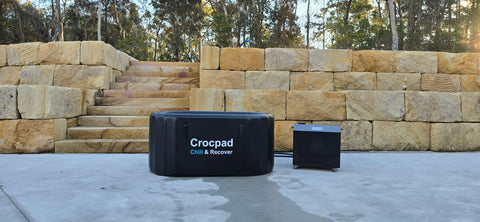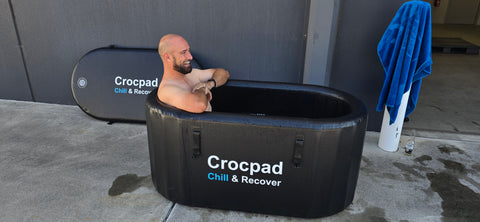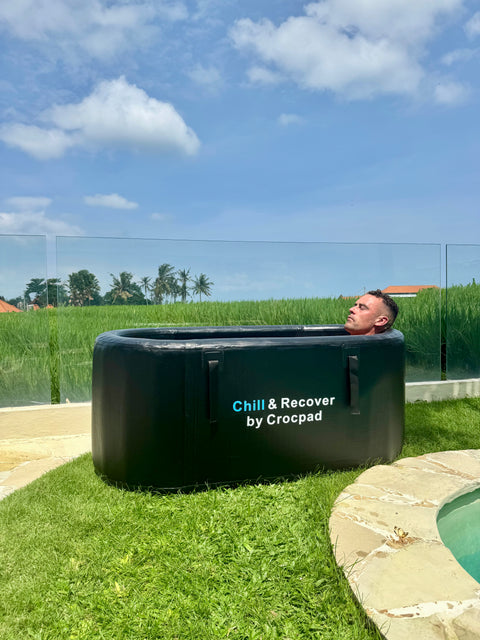
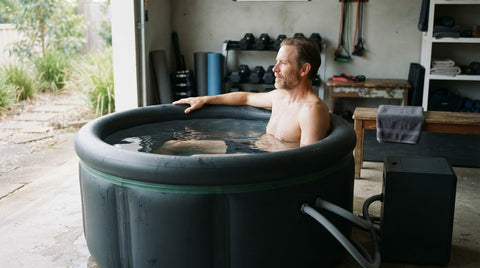
Cold immersion isn't about staying in until you can't take it. A cold-water immersion protocol for a dopamine boost centres on manageable exposure: a 1-3-minute immersion is associated with a dopamine rise that may last for hours. Water temperature and the way you enter matter as much as the timer.
If you’re weighing up an ice bath, cold shower or cryotherapy, start by comparing the methods. This article focuses on cold-water immersion, and the options are not interchangeable. Current evidence does not establish one as best for everyone. The practical aim is a controlled cold stimulus, not an endurance test.
You’ll learn how water temperature and exposure time relate to dopamine, mood, focus and thermogenesis, and what to consider when planning a routine. We’ll also compare immersion with a cold shower and cover key safety points, including gradual exposure and when cold exposure may not suit you. The goal is a measured starting point, not a promise of a particular mood or performance effect.
Key Takeaways
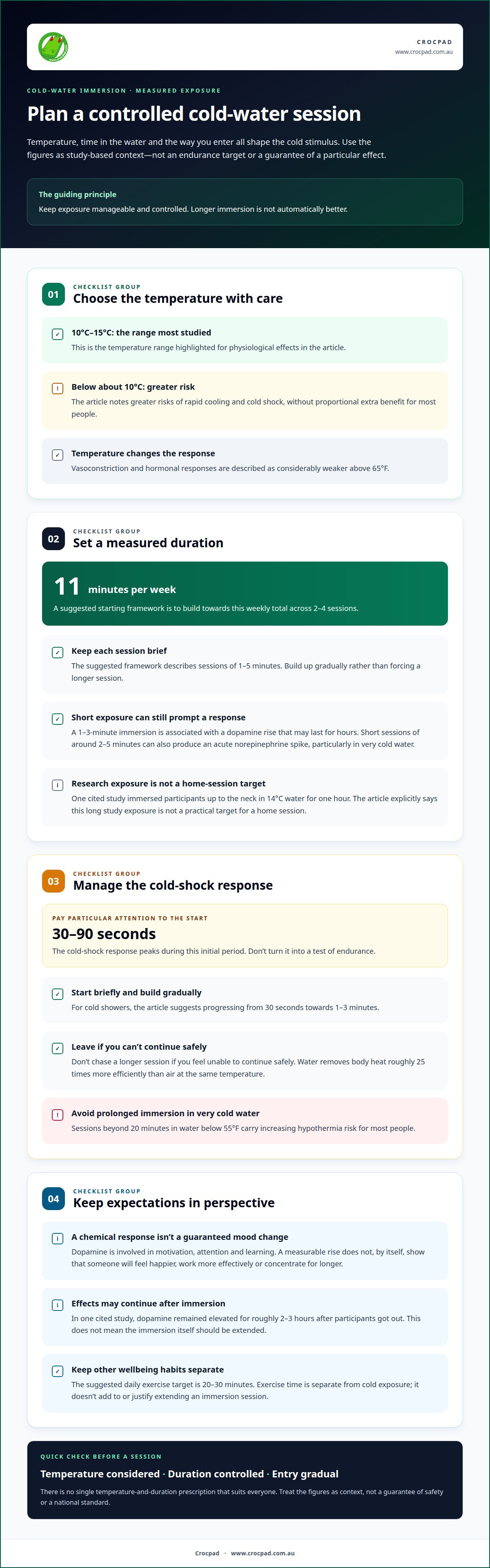
- Temperature and exposure time both shape the cold stimulus; water from 10°C to 15°C is among the ranges most studied for physiological effects.
- A measured starting point is to build towards 11 minutes of cold exposure per week, divided across 2-4 sessions.
- Cold immersion may affect dopamine and alertness, but the response depends on the exposure and doesn’t guarantee a particular mood or focus outcome.
- The initial cold-shock response is a key safety consideration, so keep sessions controlled and avoid treating longer exposure as automatically better.
- If you’re considering cold exposure and have a cardiovascular condition, speak with a qualified healthcare professional before starting.
Cold-water temperatures and exposure duration
Temperature and time in the water both shape cold exposure, so consider them together. The figures below provide context for a measured session, not a reason to push through distress.
Duration of neurochemical effects
Neurochemical effects may continue after you leave the water. In one cited immersion study, dopamine remained elevated for roughly two to three hours after participants got out. This may help explain why some people schedule cold exposure in the morning, when they want to feel alert later. It is not a reason to extend the immersion itself.
Temperature and session duration
Water from 10°C to 15°C is the range most studied for physiological effects. One cited study immersed participants up to the neck in 14°C water for one hour. That long study exposure is not a practical target for a home session. Water below 50°F, or about 10°C, carries greater risks of rapid cooling and cold shock, without proportional extra benefit for most people.
A suggested starting framework totals 11 minutes per week, split into 2-4 sessions lasting 1-5 minutes each. Choose water that feels uncomfortably cold but is safe to tolerate for a few minutes. Shorter sessions of around 2 to 5 minutes can still produce an acute norepinephrine spike, particularly in very cold water. Temperature matters: vasoconstriction and hormonal responses are considerably weaker above 65°F.
There is no single temperature-and-duration prescription for cold-water immersion that suits everyone in Australia. Treat these figures as study-based context, not a guarantee of safety or a national standard for ice baths or cold-water swimming.
Reducing cold shock and hypothermia risks
Reducing risk means keeping exposure controlled and avoiding prolonged immersion in very cold water. The cold-shock response peaks during the first 30 to 90 seconds, so don’t turn that initial reaction into a test of endurance. Start with brief exposure and build gradually; cold showers can progress from 30 seconds towards 1-3 minutes. Sessions beyond 20 minutes in water below 55°F carry increasing hypothermia risk for most people.
Water removes body heat roughly 25 times more efficiently than air at the same temperature. Leave the water if you feel unable to continue safely, rather than chasing a longer session. Those figures make duration a key part of planning, alongside temperature.
Daily exercise is a separate part of a wellbeing routine, not a substitute for choosing a safe immersion duration. The suggested exercise target is 20-30 minutes daily. Keep that goal distinct from cold exposure: exercise time doesn’t add to, or justify extending, an immersion session.
For some people, 45°F may be cold enough for deliberate exposure. Short immersions can raise norepinephrine 200 to 300 percent above baseline; below 60°F, vasoconstriction begins within seconds of entering the water.
Dopamine’s role in mood, motivation and focus
Dopamine is a chemical messenger involved in motivation, attention and learning. Understanding these roles helps distinguish an acute response to cold exposure from lasting changes in mood or mental health.
Dopamine and mental functions
Dopamine helps the brain process motivation, reward and attention, influencing how readily you engage with a task. A short-lived chemical response, however, is not the same as a lasting improvement in mood or concentration.
Imagine starting a challenging work task: motivation helps you begin, while attention helps you stay focused. Dopamine is one part of these mental processes, not a simple switch for happiness or focus. Sleep, stress, health and the task itself also influence how alert or motivated you feel.
That distinction matters when weighing claims about a dopamine boost. A measurable rise in dopamine describes a chemical response; on its own, it does not show that someone will feel happier, work more effectively or concentrate for longer. Separate a brief feeling of alertness after cold exposure from changes that carry over into everyday tasks.
Mental health and focus benefits
Cold-water immersion can trigger a neurochemical response, but that alone does not establish it as a proven mental-health treatment or a way to improve focus long term. This distinction matters if you are considering an ice bath to address persistent low mood or difficulty concentrating.
Cold exposure activates the sympathetic nervous system and stimulates the release of dopamine and other chemicals. Some people prefer a morning session in the hope that they will feel more alert later. That is a practical preference, not proof that immersion improves focus for everyone or treats a mental-health condition.
Use the response as one part of a broader routine, not as a replacement for professional mental-health care or prescribed medication. Regular exercise is another relevant factor: the suggested target is 20-30 minutes daily, and regular exercise can increase dopamine receptor availability. A walk before work, for example, offers a distinct routine rather than relying on cold exposure alone.
Keep expectations specific. An energised feeling after a session is an immediate experience; sustained mood or focus changes are different outcomes. Cold immersion is not a substitute for professional mental-health care or medication, and it shouldn’t be treated as one.
Cold immersion and dopamine response
A cold-water immersion protocol for a dopamine boost is best understood as a stimulus associated with a reported neurochemical response, not a guaranteed mood change. Cold immersion activates the sympathetic nervous system and prompts the release of dopamine and other chemicals. The response described in studies depends on the exposure, including its temperature and duration.
A 1-3-minute cold immersion has been associated with dopamine levels rising by up to 250%. That figure describes a reported chemical response, not a guaranteed change in how someone feels. Dopamine is one part of a broader response to cold, which also involves other signalling chemicals and the body’s stress response.
The response may outlast the time spent in the water. Dopamine levels have been reported to remain elevated for hours after immersion; one account describes an increase lasting roughly two to three hours after participants got out. This may explain why some people schedule a session in the morning, hoping to feel more alert later. It does not mean everyone will notice the same effect.
Keep study results in context. A cited cold-immersion study used 14°C water and lasted one hour, with norepinephrine rising by approximately 530%. That protocol differs from a 1-3-minute session, and the reported 530% change concerns norepinephrine, not dopamine. These figures shouldn’t be combined as though they describe one identical exposure or response.
Temperature and time work together. The same duration can feel very different in milder water than in colder water, and a longer session means more time exposed to the cold stimulus. When interpreting a cold-water immersion protocol for a dopamine boost, distinguish water temperature, immersion duration and the chemical measured. This helps keep dopamine claims separate from findings about norepinephrine.
For example, someone considering a short morning immersion can treat alertness as something to observe, not a promised outcome. Notice whether the session feels manageable and whether any change in mood or focus lasts beyond the immediate cold sensation. A measured routine is more useful than treating discomfort or duration as proof of benefit.
The reported 250% dopamine figure and two-to-three-hour window provide context, but they don’t predict an individual experience. Keep the session and its purpose clear, and distinguish a brief feeling of alertness from sustained changes in daily focus.
How often should you do cold water immersion for potential dopamine benefits?
Frequency depends on the goal: cold-adaptation studies typically use immersion 3-5 times per week, while a suggested basic exposure target is 11 minutes per week. These describe different approaches, not a single proven schedule for dopamine.
The 11-minute weekly target can be divided across 2-4 sessions, with each session lasting 1-5 minutes. That structure gives you a practical way to distribute exposure rather than packing the weekly total into one long immersion. For example, four sessions of 3, 3, 3 and 2 minutes add up to 11 minutes, with each session within the suggested duration.
Frequency alone doesn’t determine the response. Water temperature, time in the water and how your body responds all shape the exposure. A 1-5-minute session in very cold water is not equivalent to the same duration in warmer water. Keep those variables consistent when considering whether a routine feels manageable from one session to the next.
Cold-adaptation studies using 3-5 sessions weekly describe research practice, not a requirement for everyone seeking potential dopamine effects. The weekly 11-minute target offers a separate framework. Neither frequency establishes that more sessions will produce a larger dopamine response or better mood. Treat the schedule as a way to organise exposure, not a competition to increase cold tolerance.
Training adds another timing consideration. Cold immersion within about 4 hours after exercise may limit some exercise adaptations. Immediate cold immersion after every strength-training session may also blunt long-term muscle hypertrophy. If strength gains are a priority, keep that trade-off in mind when arranging weekly sessions.
Recovery goals can involve different timing. The 30 to 60 minutes after training is when post-exercise cold immersion’s anti-inflammatory and recovery effects are best supported. Sessions of 10 to 15 minutes in water at 50°F to 59°F are described as producing the most consistent reductions in perceived soreness over the following 24 to 72 hours. Those durations exceed the shorter sessions in the basic weekly exposure framework, so distinguish a recovery protocol from a potential dopamine routine.
A workable plan starts with one decision: is the priority potential alertness, training recovery, or both? For a basic weekly exposure schedule, divide 11 minutes across 2-4 sessions. For strength training, consider the timing conflict before placing immersion after workouts. Track session duration and training days, then keep the routine steady instead of adding exposure simply to chase a bigger effect.
What are the risks and contraindications of cold water immersion?
Cold immersion subjects the body to sudden cold stress, so both temperature and exposure time matter. The aim is a controlled session, not enduring discomfort to chase a stronger dopamine response.
The cold-shock response peaks during the first 30 to 90 seconds of immersion. Enter gradually, keep the session brief, and leave the water if you can’t continue safely. Don’t treat your ability to tolerate that initial response as proof that a longer exposure is safe.
Very cold water raises the stakes. Below 50°F, or about 10°C, the risks of rapid cooling and cold shock increase without proportional additional benefit for most users. Sessions beyond 20 minutes in water below 55°F carry increasing hypothermia risk for most people. Short exposure is a more cautious choice than extending a session in pursuit of a bigger effect.
Water also draws heat away efficiently: it conducts heat roughly 25 times more efficiently than air at the same temperature. That difference helps explain why a cold plunge can affect the body faster than standing in cold air. Keep the water temperature and time in mind together, rather than using session duration alone to judge the exposure.
If you have a cardiovascular condition, consult a qualified healthcare professional before starting cold exposure. A sudden cold stimulus activates the body’s stress response, making your health an important consideration. Cold immersion is not a substitute for professional mental-health care or medication, even if you hope it will lift your mood or improve focus.
Training plans need attention too. Cold-water immersion within about 4 hours after training may limit exercise adaptations. Immersion immediately after every strength-training session may blunt long-term muscle hypertrophy. If building strength is your priority, consider this trade-off before placing a cold session straight after lifting.
Keep exposure controlled: choose a manageable temperature, limit the session and do not push beyond your ability to exit comfortably. If you have a cardiovascular condition, seek professional advice before beginning. These precautions matter more than achieving a particular dopamine figure or matching someone else’s routine.
For water-based recreation beyond cold exposure, explore water recreation gear.
Crocpad: Waterproof Bags
Crocpad’s Waterproof Bags are a practical option for carrying belongings on days spent near the water. They complement a waterside setup, but are not equipment for controlling cold exposure or measuring an ice-bath session.
Choose a Waterproof Bag when your plans include water-based recreation and you want a bag suited to that setting. Keep decisions about cold immersion focused on the essentials: water temperature, exposure time and your health. A bag does not reduce the risk of cold shock or hypothermia, so consider those safety issues separately.
If Waterproof Bags suit your plans, contact Crocpad to discuss the offering.
Make room for your next waterside adventure
A cold-water immersion protocol for a dopamine boost is only one part of a broader wellbeing routine. Focus on habits that suit your life, and make room for enjoyable time by the water without treating recreation as a health treatment.
For relaxed days outdoors, Crocpad offers a Floating Water Mat, Minima Pool Slide and Megalo 3M Inflatable Water Pool Slide. They’re options for adding water-based fun to your plans, separate from cold exposure and its potential effects.
Choose the kind of waterside experience that suits your next outing, and keep any immersion routine measured and safety-conscious. If you’d like to explore what fits your plans, contact Crocpad to discuss your content.
Take the next step at your own pace and enjoy making more room for time on the water.
Frequently Asked Questions
Ice bath, cold shower, or cryo?
The dopamine findings discussed here relate to cold-water immersion, the method for which specific figures are provided. A cold shower is another form of cold exposure, while cryotherapy is not the same as immersion. The available figures do not establish that cryotherapy produces the same response. If you are choosing an option, consider which method you can approach gradually and safely rather than assuming the methods are interchangeable.
What does research say about cold water immersion and dopamine levels?
Cold exposure activates the sympathetic nervous system and stimulates the release of dopamine and other chemicals. A reported dopamine increase indicates a neurochemical response, but does not prove a lasting improvement in mood, motivation or concentration. Feeling more alert after immersion, for example, is a personal experience, not evidence that cold water treats a mental-health condition or improves focus for everyone.
How much can cold exposure increase dopamine, and how long does the effect last?
A 1-3-minute immersion has been reported to increase dopamine by up to 250%. One account describes elevated dopamine lasting roughly two to three hours after participants left the water. These are reported findings, not a prediction for each person. Treat them as context when setting expectations, rather than as a target to chase by making an immersion colder or longer.
What water temperature and immersion duration were used in dopamine studies?
One cited immersion study used 14°C water, with participants immersed up to the neck for one hour. That protocol describes the study exposure, not a beginner recommendation. It also differs from shorter sessions used in other cold-exposure approaches. Keep the study’s temperature, immersion method and duration together when interpreting its findings, rather than applying one element as a universal prescription.
What is a safe beginner cold water immersion protocol?
A suggested basic framework is 11 minutes of exposure per week, divided into 2-4 sessions of 1-5 minutes each. Start at the shorter end, choose water you can safely tolerate, and build gradually rather than forcing a longer session. People with cardiovascular conditions should consult a qualified healthcare professional before starting. Leave the water if you can’t continue safely.
Does cold water immersion work differently from cold showers for dopamine?
They aren’t identical exposures: immersion places more of the body in cold water, while a shower directs water over the body. Cold showers can be built gradually, from 30 seconds towards 1-3 minutes. The available findings don’t establish that a shower and an immersion produce the same dopamine response. Choose based on the method you can manage safely, not an assumption of equal effects.