
Senior dog care
2 articles in Blog
Crocpad’s Senior dog care articles — cleaning, drying, repairing and storing water gear so it survives more than one season.
Expect the specifics a manual skips: what to rinse and when, how to dry something that will not fit on a line, patching and seam repair that holds, and the storage conditions that decide whether next summer starts with working gear or a bin run. Maintenance is the difference between gear that lasts years and gear that lasts a season, so these articles cover cleaning, drying and storage in more detail than a manual usually bothers with. The advice is pitched at the people actually using it, including age and weight suitability and what adult supervision needs to cover.

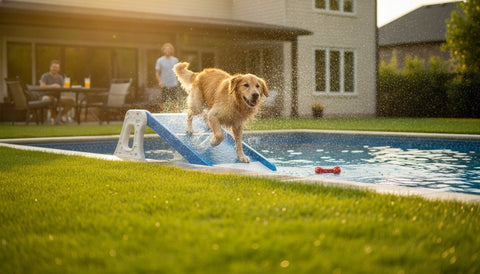
What’s covered in Senior dog care
- How to help an arthritic dog climb out of a pool safely — Learn how to help an arthritic dog climb out of a pool safely with harness support, patient handling and stable ramps, while watching for signs of discomfort.
- Best Dog Pool Ramps: A Guide to Safe Summer Splashing — Keep your furry mate safe this summer! Find the best dog ramp for a pool with our guide to choosing, measuring, and training for worry-free splashing.
About looking after this gear
Repairs are worth attempting far more often than people assume. A clean puncture or a lifting seam on PVC or drop-stitch fabric is a genuinely fixable thing with the right patch, a properly abraded and degreased surface, and enough curing time before it goes back in the water — rushing the cure is the single most common reason a patch lets go. What is not worth repairing is a panel that has gone chalky and brittle from years of UV, because the next failure will simply be next to the patch. Knowing which of the two you have in front of you saves money either way.
Senior dog care: common questions
How should I store this over winter?
Clean, completely dry, loosely rolled rather than hard-folded, out of direct sun and off a concrete floor. Hard creases and trapped damp cause more off-season failures than anything that happens during use.
Can I repair a puncture or seam myself?
Usually, yes. Clean and abrade the area, degrease it, use a patch matched to the material, and give the adhesive its full cure time before reinflating. Brittle, chalky fabric is the exception — that is age, not damage.
Browse the full Blog index, or shop accessories and spares.