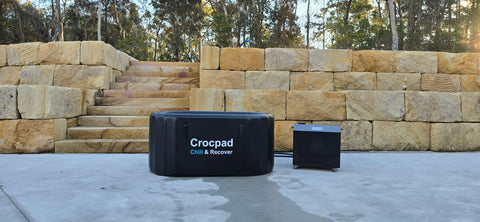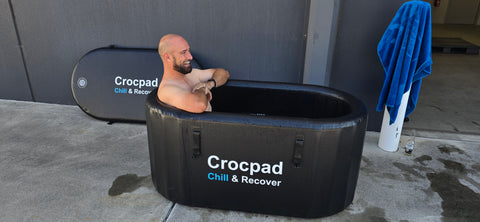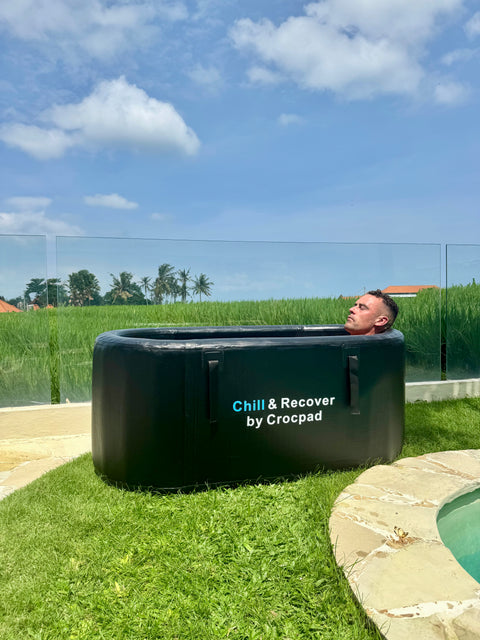
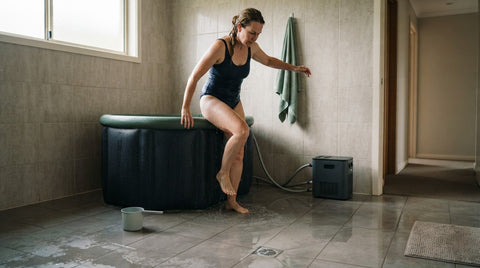
A cold plunge should leave you refreshed, not facing a soaked floor or hidden water damage. Indoor cold plunge tub water damage prevention starts with a level, water-resistant location, a way to contain splashes and a safe plan for draining the tub.
It’s easy to focus on the cold and overlook what happens around the tub. Water can escape during use, cleaning or emptying, so the room, flooring and nearby surfaces matter as much as the tub itself. A few practical precautions can help protect your home and keep your plunge routine manageable.
This guide covers how to choose a suitable spot, limit spills, manage drainage and spot early signs of moisture. It also explains what to consider before using a tub indoors and how to approach cold-water safety.
Key Takeaways
- Choose an indoor spot with a suitable surface and a practical way to contain splashes, leaks and drained water.
- Understand how tub design, filling and emptying affect water management around your home.
- See why waterproofing needs depend on the room, its existing finishes and how water could reach floors or walls.
- Learn which factors influence waterproofing costs and what to consider when planning floor drainage and plumbing.
- Keep belongings protected from splashes with Crocpad Waterproof Bags, a useful addition to your cold-plunge routine.
Home-based cold plunge safety
Safe home use means managing cold exposure and the water around your tub. A practical indoor cold plunge tub water damage prevention plan considers splashes, leaks and drainage alongside a controlled immersion routine.
Leak and overflow prevention
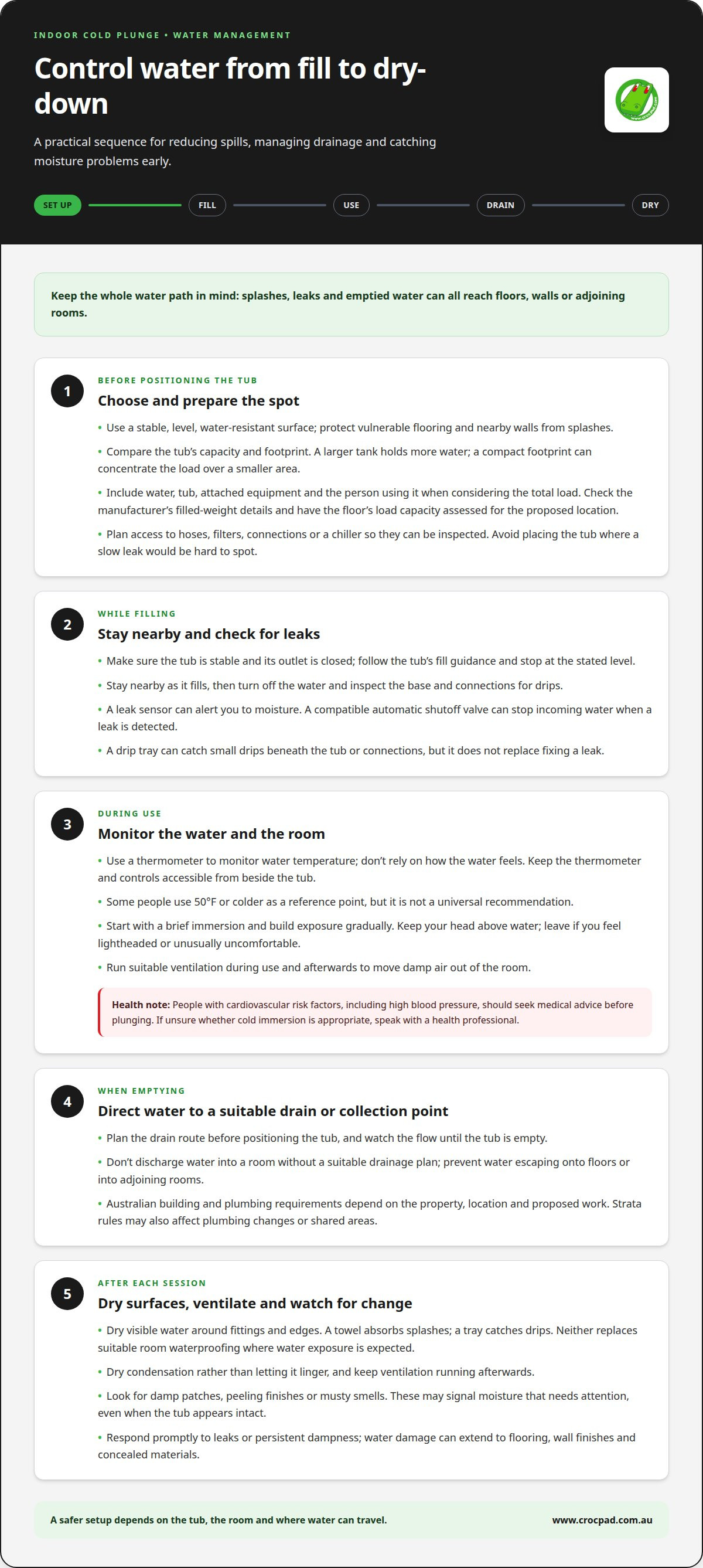
Leak prevention combines early detection, water containment and careful filling. A leak sensor can alert you to moisture, while a compatible automatic shutoff valve can stop incoming water when a leak is detected. A drip tray beneath the tub or connections catches small drips, but it isn’t a substitute for fixing a leak. Stay nearby while filling, follow the tub’s fill guidance and turn off the water afterwards.
Indoor drainage and plumbing
Indoor drainage means emptying the tub without water escaping onto floors or into adjoining rooms. Australian building and plumbing requirements depend on the property, location and proposed work; strata rules may also affect changes to plumbing or shared areas. Plan the drain route before positioning the tub, and don’t discharge water into a room without a suitable drainage plan.
Waterproofing and surface protection
Waterproofing and surface protection help limit damage from splashes, leaks and condensation. Use a stable, water-resistant surface beneath the tub, and protect nearby walls and vulnerable flooring with suitable barriers. Dry visible water after each session, including around fittings and edges. A towel absorbs splashes and a tray catches drips, but neither replaces suitable room waterproofing where water exposure is expected.
Ventilation and humidity control
Ventilation moves damp air out of the room, helping limit moisture on walls, windows and other cool surfaces. Run suitable ventilation during use and afterwards, and dry condensation rather than letting it linger. Watch for damp patches, peeling finishes or musty smells. These may signal moisture that needs attention, even when the tub appears intact.
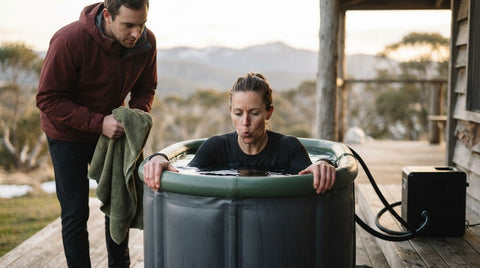
For cold-plunge safety, start with a brief immersion and build exposure gradually. There is no single session length that suits everyone; take your experience and how you feel into account. Use a thermometer to monitor water temperature and keep your head above water. Leave the tub if you feel lightheaded or experience discomfort beyond feeling cold. People with cardiovascular risk factors, including high blood pressure, should seek medical advice before plunging.
Outdoors, keep towels and warm clothes close, dry off quickly and warm up after a plunge. Avoid colder exposed settings where ice or snow could increase frostbite risk. Water damage repairs can involve flooring, wall finishes and concealed materials; the extent depends on how far water spreads and how long it remains. Make indoor cold plunge tub water damage prevention part of your routine by responding promptly to leaks or persistent dampness.
Cold-plunge tubs and tanks
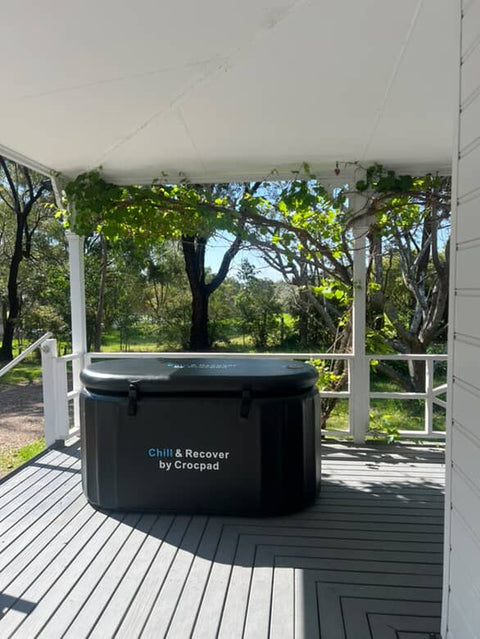
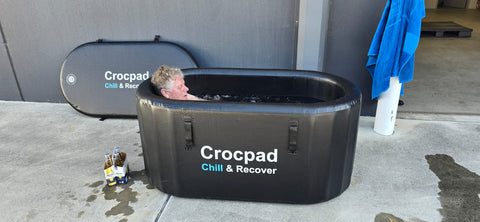
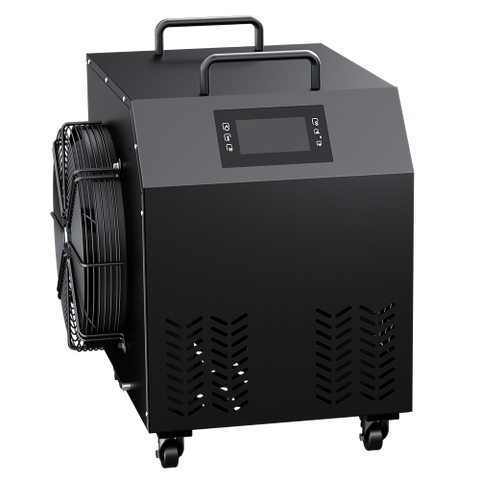
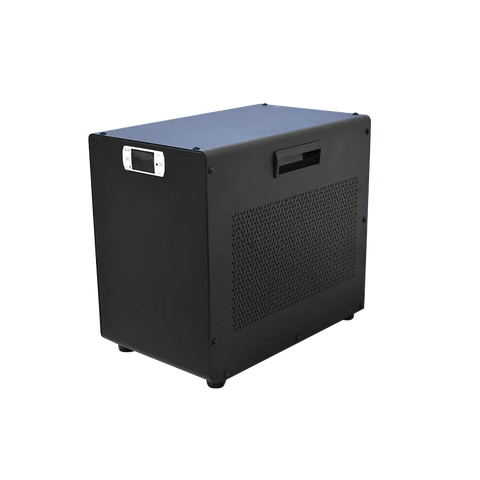
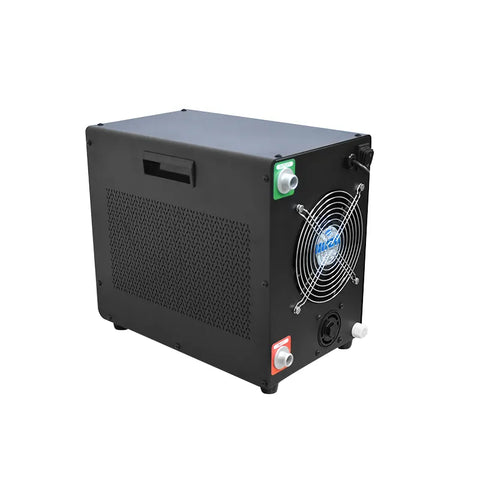
Cold-plunge tubs and tanks hold water for brief cold-water immersion, with designs ranging from simple containers to systems with chillers. Indoors, their capacity, filled weight, connections and emptying method all affect where they can sit safely. A tub that suits an outdoor area may need a different setup inside, where escaping water can reach flooring, walls or rooms below.
A filled tub’s total load includes its water, the tub, attached equipment and the person using it. The exact weight depends on the tub’s capacity and equipment, so use the manufacturer’s filled-weight details and have the floor’s load capacity assessed for the proposed location. Don’t assume a floor can support a full tub just because it holds ordinary furniture; load concentration and floor structure matter.
Compare the tub’s capacity and footprint before choosing a room. A larger tank holds more water, while a compact footprint can concentrate the load over a smaller area. Check where hoses, filters or a chiller will sit, and leave access to connections for inspection. A unit pushed tightly against a wall, for example, can make a slow leak harder to spot.
Cold tap water can fill a plunge, with ice added for a colder experience. Use a thermometer to monitor temperature rather than relying on how the water feels. Water immersion can affect blood flow and blood vessels, so colder water isn’t automatically better.
People trying an ice bath should separate possible effects from medical promises. Cold exposure may help some people manage soreness or inflammation, but it isn’t a substitute for medicine or care for a disease. Claims about the immune system also shouldn’t replace advice from a health professional. Hypothermia occurs when core body temperature drops below 95°F (35°C), so leave the water if you feel unwell or unusually uncomfortable.
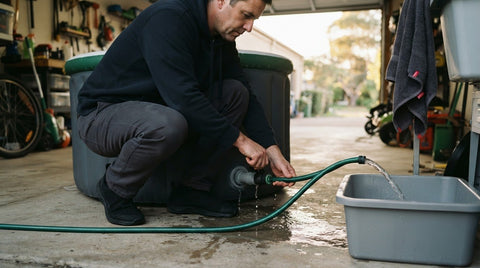
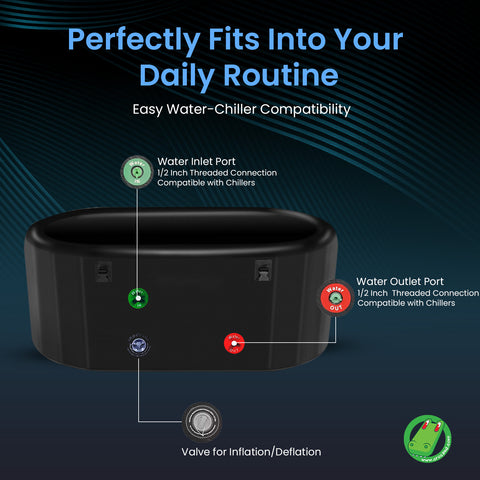
Before filling, make sure the tub is stable and its outlet is closed. Stay nearby as it fills, stop at the stated level, then inspect the base and connections for drips. When emptying, direct the outlet to an appropriate drain or collection point and watch the flow until the tub is empty. These checks help limit overflow and reveal problems before water reaches nearby surfaces.
Some people use 50 F or colder as a cold-plunge water-temperature target, but it isn’t a universal recommendation. Treat it as a reference point, not a measure of how long an immersion is appropriate or whether it suits a particular person. Check the reading before entering and continue monitoring it during use, especially if the system is running or ice is added. If the water is warmer than your intended target, adjust it or wait before use rather than relying on touch to judge its temperature.
Keep the thermometer and controls accessible from beside the tub, so you can check the water and make adjustments without leaning over it. Follow the tub maker’s operating instructions, and stop the session if you feel unwell or unusually uncomfortable. If you’re unsure whether cold immersion is appropriate for you, seek advice from a health professional before using the tub.
What waterproofing is needed for an indoor cold plunge tub in Australia?
The right protection depends on the room, the tub’s position and how water could escape. A tiled bathroom may handle routine moisture, but that doesn’t automatically make every spot suitable for a plunge tub. A tub in a carpeted spare room creates a different risk. Consider splashes, condensation, filling, draining and leaks together before choosing a location.
Start by identifying the surfaces water could reach. Trace a possible spill from the tub’s base towards nearby walls, doorways, floor joints and cupboards. Water escaping beside a skirting board, for example, can reach materials that aren’t visible from above. A waterproofing plan should account for the full route, not just the floor directly beneath the tub.
Floor protection and waterproofing have different roles. A removable, water-resistant mat can catch drips and splashes, while a waterproof membrane protects the underlying structure if water reaches the floor. A mat alone won’t seal gaps at wall edges or around pipe penetrations. Treat trays and mats as extra containment, not a replacement for suitable room protection.
Pay close attention to junctions. Floor-to-wall corners, door thresholds and plumbing openings can let water through if they aren’t properly sealed. If the tub sits near a wall, protect the surface from repeated splashes and check behind the tub regularly. Keep fittings accessible so you can spot moisture around a hose connection before it spreads.
Existing finishes matter too. Tiles can shed surface water, but grout lines and edges still need attention. Timber, laminate and carpet can be vulnerable if water reaches beneath or around their visible surfaces. A small spill beside a tub, for instance, can run under loose flooring. Choose a location with durable finishes, then clean and dry any water promptly.
Check for condensation separately from leaks. Cold surfaces can collect moisture from humid room air, leaving droplets around the tub or on nearby walls. After use, inspect the tub exterior, floor and adjacent surfaces. Dry visible moisture and keep the room ventilated. Persistent dampness around a window or wall calls for a closer look at airflow and surface protection.
Before placing a tub in a room not designed for wet use, have the setup assessed by a suitably qualified building or waterproofing professional. Show them the tub location, water connections and intended drainage route. Ask them to consider membrane coverage, corners, penetrations and doorway transitions. A practical assessment looks at the room’s actual exposure, not simply whether its floor appears waterproof.
How much does it cost to waterproof a room for a cold plunge tub in Australia?
There isn’t one set price for waterproofing a room for a cold plunge. Cost depends on the room’s current condition, the area needing protection and the preparation required. Adding protection to a sound tiled wet area, for example, differs from repairing water-damaged flooring and preparing an untreated room.
Start by defining the scope of work. A quote may include inspection, removal of existing finishes, surface preparation, waterproofing materials, labour and reinstatement of flooring or wall finishes. Each item affects the total. Ask for the work and materials to be itemised, so you can see whether the proposal covers the full area exposed to splashes and leaks.
Room size matters because a larger area may need more preparation and materials. Layout matters too. A small room with several corners, wall-floor junctions or pipe penetrations may need careful detailing, while a simple open floor presents a different scope. Include the tub’s position, filling point and drainage route when describing the setup.
Existing damage can change the work required. If an inspection finds swollen flooring, loose tiles, failed sealant or dampness behind a wall, those issues need attention before new protection is applied. Covering a damaged surface without addressing the cause can trap moisture. A clear assessment should list repairs separately from waterproofing and finish work.
Access and finish choices also affect a quote. Moving a tub into a tight room, removing built-in fittings or matching existing tiles can add work. Replacing part of a tiled floor, for example, may involve sourcing a suitable match, while a bare room may need a complete floor finish after waterproofing. Request a scope that names these tasks.
Compare quotes by checking that each covers the same surfaces and preparation. One proposal might protect only the floor beneath the tub; another may include nearby walls, corners and the doorway. These scopes aren’t equivalent. Ask for exclusions and repair work to be listed clearly, and confirm how the finished area will be handed back.
Before seeking quotes, gather practical details: room dimensions, floor and wall finishes, visible damage, tub location and drainage plan. Photos can help show corners, thresholds and nearby fittings. Share the same information with each business preparing a quote. An assessment based on the actual room and its water exposure gives you a useful basis for comparing proposals.
Equipment costs are separate from waterproofing, repairs or reinstating finishes, so they shouldn’t be treated as a site-specific quote. Consider the equipment and the room as separate parts of the total spend. Ask for the agreed waterproofing scope to be priced separately, and check whether the quoted work covers only preparation and protection or also the later finish. This makes room costs easier to compare with the equipment purchase.
What floor drain and plumbing requirements apply to indoor plunge tubs in Australia?
Plan how the tub will fill and empty before choosing its indoor position. Drainage needs depend on the property, plumbing layout and whether the setup changes existing pipework. A bathroom floor drain may help manage surface spills, but it doesn’t automatically provide a suitable outlet for emptying a full tub. Consider water containment and tub discharge as separate parts of the plan.
For Australian homes, applicable plumbing requirements depend on the state or territory and the work involved. Connecting a tub to household plumbing differs from filling it with a hose and emptying it through a separate outlet. Before altering pipes or drains, have a licensed plumber assess the proposed connection and discharge route. Don’t assume a nearby floor waste is suitable for every tub.
A practical drain plan identifies where the outlet sits, how quickly water leaves the tub and where it goes next. A hose directed towards a floor waste, for example, could leak, shift or discharge faster than the drain can manage. Keep the outlet secure, supervise emptying and stop the flow if water pools around the drain. Don’t let wastewater run across a hallway or into another room.
Consider backflow, odours and access to fittings too. A plumber can assess the connection type and whether the proposed arrangement suits the property’s existing system. Leave valves and joins accessible rather than hiding them behind a fixed panel. If the tub has a pump or chiller, follow its installation instructions and keep plumbing connections clear for inspection.
In an apartment or strata property, plumbing work may affect shared pipes, floors or building services. Follow the applicable strata process before arranging changes to common property. A freestanding tub using existing services may involve a different approval path from new pipework. If you rent, get the owner’s approval before changing fixtures or plumbing.
Before use, test the planned route with a small amount of water, then check for leaks at joins and pooling around the outlet. During a full drain, stay nearby until the flow stops and inspect the surrounding floor. Clear debris from the drain and keep the tub’s outlet closed when not in use. These checks can reveal drainage problems before repeated use causes dampness.
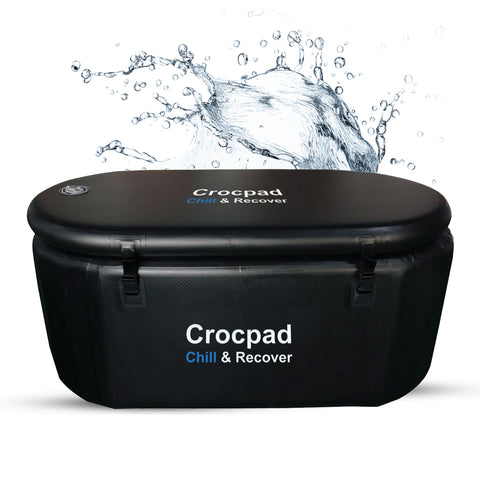
Map the tub’s location, water supply and discharge route before plumbing work begins. For cold-plunge equipment to suit your home setup, explore cold-plunge options at Crocpad.
Crocpad: Waterproof Bags
Crocpad Waterproof Bags offer a practical way to keep personal belongings together during water-based activities. Store items you want kept separate from splashes, such as a change of clothes or small essentials, while you focus on your cold-plunge routine. They complement sensible water management, but don’t replace room waterproofing, leak detection or a safe drainage plan.
Choose a Crocpad Waterproof Bag when you need a simple way to organise belongings near your plunge setup or for days using other recreational water gear. Keep the tub area clear, and place the bag away from standing water and plumbing connections. It can support a tidy routine, but it isn’t protection against leaks or overflow.
For questions about Waterproof Bags, contact Crocpad.
Make your home setup work for you
Plan your cold-plunge setup around the way you use your space. A considered approach to indoor cold plunge tub water damage prevention makes water management part of the experience, not an afterthought. Choose a routine and setup that suit your home, and keep your focus on recovery and enjoyment.
If you’re also planning time on the water, Crocpad offers a Floating Water Mat, Minima Pool Slide and Megalo 3M Inflatable Water Pool Slide. These recreational options can complement a broader water-focused lifestyle, while serving a different purpose from your indoor plunge setup.
For help exploring Crocpad’s recreational water products, contact Crocpad. Take the next step at your own pace and build a water routine that feels right for you.
Frequently Asked Questions
How Can I Have an Ice Bath Safely?
Have someone nearby, especially during your first ice bath, and avoid alcohol before or after immersion. After getting out, use a towel, put on warm clothes and warm up with gentle movement. Don’t head straight into a hot shower. If you have high blood pressure, cardiovascular concerns, Raynaud’s disease or asthma, speak with a health professional before trying cold-water immersion.
What leak sensors, shutoff valves, or drip trays work best for plunge tubs?
Use a leak sensor to alert you to moisture and a compatible automatic shutoff valve to stop incoming water when a leak is detected. A drip tray beneath the tub or connections can catch small drips, but it doesn’t replace fixing a leak.