
Dry bags Australia
2 articles in Articles
Crocpad’s Dry bags Australia articles — keeping phones, keys and kit dry on the water.
Expect the difference between water-resistant and genuinely waterproof, how roll-top closures actually work, sizing for a day on a boat versus a week camping, and which items are worth doubling up on. Everything is written for Australian conditions — summer water temperatures, UV exposure, local delivery and the climate this gear has to survive between uses.

What’s covered in Dry bags Australia
- Best Dry Bags in Australia: Your Complete Buying Guide — Discover the best dry bags in Australia for kayaking, camping & water adventures. Expert tips on sizes, materials & features to keep your gear dry. Shop Crocpad.
- Best Dry Bags in Australia: The Ultimate Buying Guide — Shopping for the best dry bags in Australia? Our ultimate buying guide covers everything you need to keep your gear dry on the water and beyond.
About dry bags and keeping gear dry
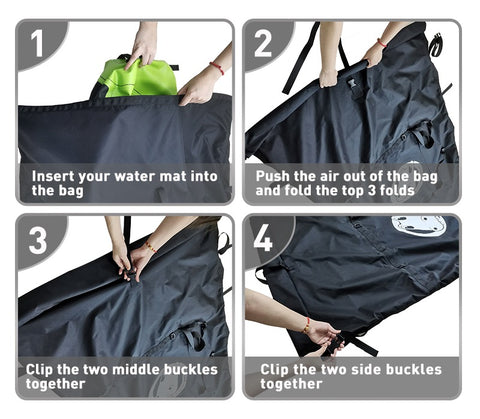
Dry bags fail at the closure, not the fabric. A roll-top needs three full folds and the buckle clipped back on itself to form a seal, and a bag rolled twice because it was overfull is a bag that will let water in. Leaving air in the bag is deliberate — it is what makes it float if it goes over the side, and what tells you the seal is holding when you squeeze it. Pack to about three quarters so there is material left to roll.
Dry bags Australia: common questions
Is a dry bag fully waterproof?
A properly rolled dry bag keeps contents dry through spray, rain and brief submersion. It is not a dive case — sustained depth and pressure are a different problem, and valuables like phones are worth a dedicated case inside the bag.
What size dry bag do I need?
Smaller than you think, in more of them. A 10–20L bag covers a day on the water for one person; splitting kit across several small bags beats one large one you have to open in the weather.
Browse the full Articles index, or shop waterproof bags.