

What if the biggest risk to your post-training recovery isn't the freezing water itself, but a lack of precision? You've likely seen the viral clips of elite athletes plunging into frozen lakes and wondered: are ice baths dangerous for the everyday Aussie just trying to soothe sore muscles? It's natural to feel a bit of trepidation when facing that first cold shock response. You want the 250% dopamine boost and the rapid physical rejuvenation that comes with cold water immersion, but you don't want to end up in a medical emergency because of conflicting health advice or a dodgy DIY setup.
We're here to give you the clarity and confidence you need to recover like a pro without the peril. This article provides a definitive safety checklist based on the latest 2024 Australian regulations and expert guidance on temperature control. You'll discover how to distinguish 'good' therapeutic cold from 'bad' physiological stress, ensuring your home routine is both high-performance and perfectly safe. From understanding Queensland's specific pool safety laws to mastering the 10 to 15 degree Celsius sweet spot, we've got your back so you can dive in with total peace of mind.
Key Takeaways
- Learn how to distinguish between therapeutic recovery and genuine risk to answer once and for all: are ice baths dangerous when you follow the right protocols?
- Master the 'Gasp Reflex' by understanding how your body shifts blood to your core to protect vital organs during that initial cold shock.
- Discover why aiming for a 'cool' 15°C entry point is the smartest way for beginners to build a sustainable and safe recovery habit.
- Identify the high-risk groups who should always consult their GP before diving into cold water immersion for the first time.
- Understand why using a purpose-built ice bath pod or tub provides a more stable, hygienic, and controlled environment than makeshift alternatives.
The Reality Check: Are Ice Baths Dangerous or Just Intense?
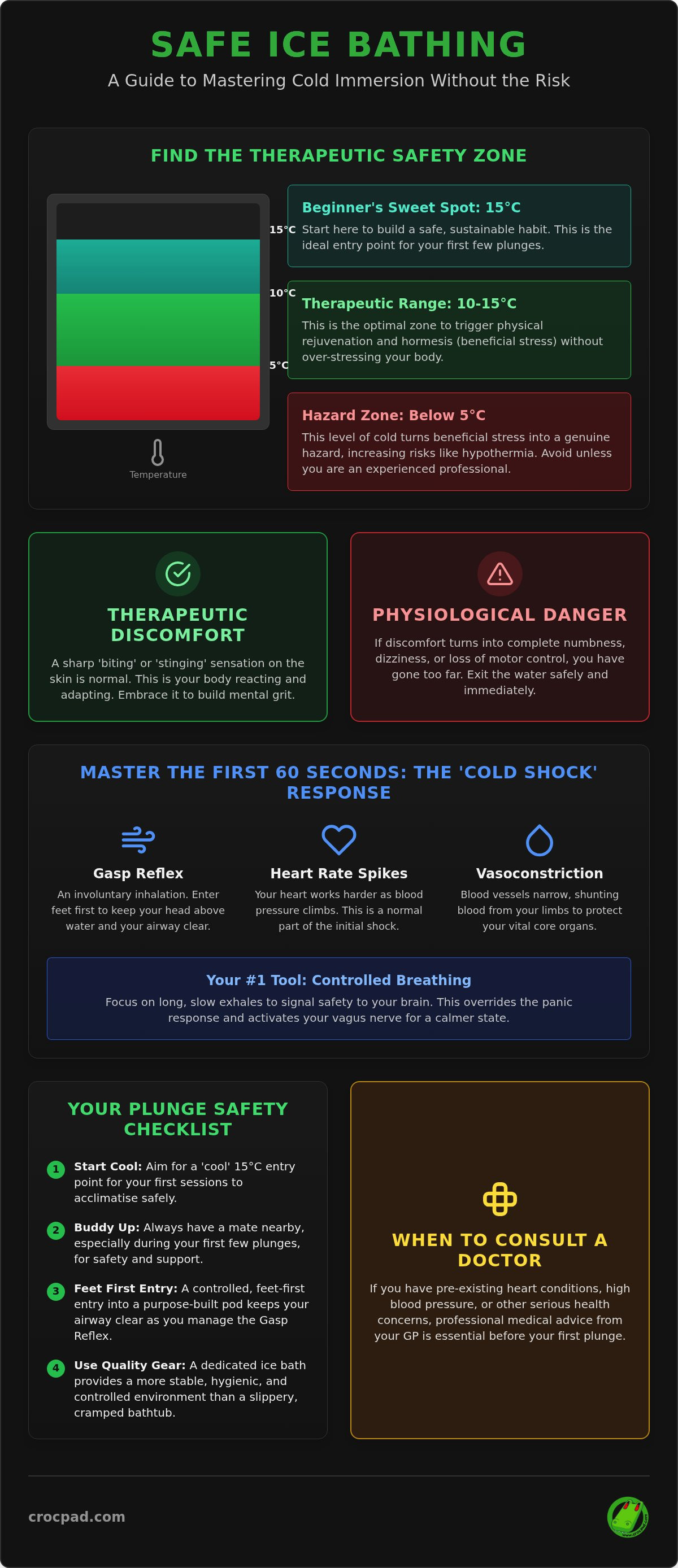
Cold water immersion (CWI) is taking the Aussie fitness scene by storm. It's not a backyard stunt for social media likes; it's a precision recovery tool used by everyone from elite footy players to weekend warriors. So, are ice baths dangerous, or are we just mistaking intensity for injury? For most healthy people, the answer lies in control. Therapeutic cold usually sits between 10 and 15 degrees Celsius. This range is the sweet spot where you trigger physical rejuvenation without pushing your body into a crisis. It's about finding the edge of your comfort zone, not jumping off a cliff.
This process is known as hormesis. It's a biological phenomenon where a low dose of stress actually makes you stronger. By exposing yourself to controlled cold, you're training your nervous system to stay calm under pressure. It's like a workout for your resilience. However, when you drop below 5 degrees Celsius or stay in for excessive periods, that beneficial stress can turn into a genuine hazard. Safety in cold immersion isn't about being the toughest person in the room; it's about being the most precise.
The Difference Between Discomfort and Danger
Feeling a sharp sting on your skin is part of the process. It's that initial bite that tells you your body is reacting. But there's a clear line you shouldn't cross. If that sting turns into complete numbness or a loss of motor control, you've gone too far. Embracing the discomfort is a great way to build mental grit, but you have to do it in a stable environment. A dedicated Ice Bath Pod is far superior to a standard bathtub because it's designed for full immersion and maintains a consistent temperature. It provides the structural integrity you need when your body is working hard to regulate its core temperature, ensuring your focus stays on your breathing rather than a cramped, slippery tub.
When the Cold Becomes a Concern
While the benefits are massive, you can't ignore the potential risks of ice baths if you're reckless. Cold shock is the most immediate threat. It's that involuntary gasp that can lead to water inhalation if you aren't prepared. Then there's hypothermia and "afterdrop," where your core temperature continues to fall even after you've jumped out. Are ice baths dangerous? They can be if you treat them as a "more is better" competition. Keep your sessions between two and five minutes to start. Always have a mate nearby, especially during your first few plunges. Precision and preparation beat bravado every single time.
Understanding the Physiological 'Cold Shock' Response
Your heart is hammering against your ribs. Your lungs feel like they've forgotten how to work. This isn't just you being "soft"; it's a hardwired survival mechanism. When you submerge in water below 15°C, your body initiates a rapid fire sequence of physiological events. So, are ice baths dangerous during this peak moment? For most, it's just intense, but understanding what's happening under the hood is vital for safety. The most immediate reaction is the "Gasp Reflex." It's an involuntary inhalation that can be risky if your face is submerged. This is why we always recommend a feet first entry into a portable ice bath to keep your airway clear while you stabilise.
As you settle in, your cardiovascular system goes into overdrive. Your heart rate spikes and your blood pressure climbs. This happens because of vasoconstriction. Vasoconstriction is the narrowing of blood vessels to preserve core heat. By pulling blood away from your limbs and shunting it toward your vital organs, your body is essentially protecting its "engine room." This is where the Vagus nerve comes into play. It acts as the main highway for your parasympathetic nervous system, helping you transition from a "fight or flight" panic state to a "rest and digest" recovery state. Mastering this transition is the secret to high-level recovery.
Managing the Initial 60 Seconds
The first minute is often called the "danger zone" because it's when panic is most likely to set in. If you can control your breath, you can control the shock. Focus on long, slow exhales to signal to your brain that you aren't actually in danger. Research from UNSW Sydney on the health risks of ice baths points out that most accidents happen during this initial phase due to hyperventilation. By slowing your breathing, you bypass the panic and begin the actual recovery process.
Long-term Effects on the Body
Once you move past the shock, the benefits start to stack up. Regular exposure can lead to improved metabolic health by activating "brown fat" which burns calories to generate heat. It also helps manage inflammation and can speed up muscle repair after a heavy gym session. Just remember that are ice baths dangerous is a question of dosage. Too much time or too low a temperature can blunt your muscle protein synthesis if you're aiming for pure hypertrophy. Balance is everything.
High-Risk Groups and Common Cold Plunge Pitfalls
Are ice baths dangerous? For most healthy Aussies, they are a high-performance recovery tool. However, if you have underlying health issues, that sudden plunge can be a massive gamble rather than a benefit. You must consult your GP if you have a history of heart disease or high blood pressure. The intense vasoconstriction we covered previously puts significant strain on the cardiovascular system. This rapid increase in pressure can be too much for a compromised heart to handle safely.
Respiratory issues like asthma also require extra care. The initial gasp reflex can trigger a sudden tightening of the airways, leading to a potential attack in the water. People with Raynaud’s disease also need to be wary. The extreme cold can cause painful, prolonged spasms in the small blood vessels of the hands and feet, which can lead to tissue damage if you aren't careful. Understanding Cold Water Hazards and Safety is about knowing your personal limits before you ever touch the water.
Medical Contraindications to Consider
Pregnancy is an area where caution is the best policy. While some experienced athletes continue cold exposure, the lack of data on foetal response to cold shock means you should always get professional medical clearance first. Similarly, if you suffer from peripheral vascular issues, the reduced blood flow to your extremities during a plunge can exacerbate existing symptoms. Always prioritise a medical check-up over a social media trend.
Common Beginner Blunders
The biggest mistake new plungers make is trying to be a hero on day one. Beginners shouldn't aim for 3°C; it is far too intense for an unacclimatised system. Start at 15°C and work your way down over several weeks. Staying in too long is another trap. You want the 'sweet spot' of 3 to 5 minutes. Anything longer increases the risk of hypothermia without adding extra recovery benefits. Are ice baths dangerous when you ignore these limits? Absolutely.
Listen to your body's shiver response. This is your internal alarm system telling you that your core temperature is dropping. If you start to shiver uncontrollably while in the water, get out immediately. You should also avoid plunging straight after a heavy sauna session without a break. This "fire and ice" transition is popular, but jumping between extremes can cause some people to faint due to rapid changes in blood pressure. Give your body a few minutes to neutralise between the two.
Finally, keep the bar separate from the bath. Never mix alcohol with cold plunging. Alcohol is a vasodilator, which means it opens up your blood vessels. This process fights against your body's natural attempt to stay warm through vasoconstriction. It's a dangerous combination that can lead to rapid heat loss and physical incapacitation. Stay sober, stay focused, and keep your recovery sessions professional.
The Safety Framework: How to Plunge Without the Peril
Mastering cold water immersion is a skill, not a test of ego. When people ask, are ice baths dangerous, they are often thinking of uncontrolled environments like wild creeks or freezing oceans where depth and temperature are unpredictable. The key to safety is eliminating variables. By using a Portable Ice Bath, you create a controlled sanctuary where you dictate the conditions. Start your journey with 'cool' water rather than 'cold'. An entry point of 15°C is the perfect benchmark for beginners. This temperature provides the therapeutic benefits of vasoconstriction without overwhelming your nervous system or triggering a dangerous level of shock.
Focus on nasal breathing throughout your entire session. Mouth breathing often leads to hyperventilation and panic, while nasal breathing keeps your heart rate stable and oxygenates your blood efficiently. Once you finish your plunge, resist the urge to jump straight into a hot shower. Your skin needs to warm up naturally to avoid the "afterdrop" effect we mentioned earlier. Wrap yourself in a warm towel, move your body gently, and let your internal furnace do the work. This methodical approach ensures you reap the rewards of recovery without the unnecessary risks.
The Crocpad Acclimatisation Protocol
Build your resilience with this four-step progression. It's designed to help your body adapt safely over time without pushing too hard, too soon.
- Step 1: Start with 30-second cold finishes in your morning shower to prime your nervous system for the sensation.
- Step 2: Set your chiller to 15°C for your first three sessions to find your baseline comfort level.
- Step 3: Gradually drop the temperature by 1 to 2 degrees each week as your confidence and tolerance grow.
- Step 4: Never exceed 15 minutes. For most recovery goals, the 2 to 5-minute window is the gold standard for performance.
Temperature Control: The Chiller Advantage
Manually adding ice blocks to a tub is a guessing game that often leads to "too cold" scenarios. An Ice Bath Chiller removes the guesswork entirely. It ensures even temperature distribution throughout the water, eliminating dangerous cold spots that can lead to local tissue damage or unexpected shock. With digital thermostats, you get 'set and forget' safety. This precision is what separates a professional recovery routine from a risky experiment. Ready to take control of your recovery? Browse our range of high-performance chillers and pods today to start your journey safely.
Premium Recovery: Why Quality Gear Makes for a Safer Soak
So, are ice baths dangerous? They certainly can be if you are relying on a flimsy plastic bin or a slippery indoor bathtub that was never built for the job. A dedicated Ice Bath Tub is engineered specifically to handle the immense lateral pressure of hundreds of litres of water and your body weight combined. When you are submerged in freezing water, structural integrity is not just a luxury; it is a critical safety feature. Crocpad gear is built with high-grade, UV-resistant materials that will not degrade in the harsh Australian sun, ensuring your recovery ritual stays safe and reliable for years to come.
Hygiene is another factor often overlooked by those using makeshift setups. Porous materials in non-specialised containers can trap bacteria, leading to skin irritations or infections over time. Our pods and tubs feature easy-clean, non-porous surfaces designed to maintain water quality. This focus on durability and cleanliness means you can concentrate on your breathing and performance rather than worrying about the state of your soak. Whether you want a permanent fixture on the deck or a portable solution for travel, choosing gear designed for the task is the smartest way to mitigate risk.
The Anatomy of a Professional Ice Bath
Professional gear offers several safety advantages that a standard tub simply cannot match. High-spec insulated walls maintain your target temperature for longer, which reduces the workload on your chiller and prevents sudden temperature fluctuations. Sturdy, reinforced rims are essential for safe entry and exit. This is particularly important when your muscles are cold and your coordination is slightly reduced after a long session. These designs are fully compatible with our specialised chillers, allowing for a seamless, professional setup in your own backyard or garage.
Investing in Your Long-term Wellness
Stop wasting time and money on endless bags of ice from the local servo. While the initial cost of a chiller and pod might seem higher, it is a one-time investment that pays for itself in convenience, precision, and safety. You get the peace of mind that comes with Australian-designed gear built specifically for our unique climate and lifestyle. Are ice baths dangerous? Not when you have the right equipment and a solid protocol in place. Explore the Crocpad Ice Bath range today and take the first step toward a safer, more effective recovery routine that is built to last.
Ready to Master the Cold?
Cold water immersion is a total game changer for your physical rejuvenation, provided you respect the process. By prioritising precision over bravado, you've learned that the answer to are ice baths dangerous depends entirely on your preparation. Remember to start at a manageable 15°C, focus on controlled nasal breathing, and always listen to your body's internal alarm systems. Transitioning from makeshift tubs to professional gear eliminates the variables that lead to risk. It gives you a consistent, hygienic recovery environment every single time.
As an Australian-owned brand, we design our gear for local conditions using durable, marine-grade materials. We offer national delivery across Australia so you can upgrade your routine no matter where you train. Don't leave your safety to chance with a dodgy DIY setup. Maximise your recovery safely with Crocpad Ice Baths and Chillers and start feeling the benefits of elite-level recovery today. You've got the knowledge; now grab the gear and dive in with total confidence.
Frequently Asked Questions
Is it safe to do an ice bath every day?
Yes, daily cold plunging is generally safe and highly effective for most healthy individuals once they've acclimatised. Many athletes use a daily routine to manage inflammation and boost mood through consistent dopamine release. Just ensure you're monitoring your recovery levels and don't push through if you're feeling unusually fatigued or unwell. Consistency builds the mental grit and physiological resilience that makes this practice so rewarding.
Can an ice bath cause a heart attack?
Sudden immersion in freezing water triggers a rapid spike in heart rate and blood pressure which can be risky for those with underlying cardiovascular issues. This is why we emphasise that while the question are ice baths dangerous usually results in a "no" for the healthy, it's a different story for those with heart conditions. Always get a medical clearance if you have any history of heart disease or hypertension before attempting a plunge.
How long is too long to stay in an ice bath?
Staying in for longer than 15 minutes is generally considered too long and significantly increases your risk of hypothermia. Most of the therapeutic benefits for muscle recovery and mental clarity occur within the first 2 to 5 minutes. Pushing beyond this window doesn't necessarily add more value and can lead to physical incapacitation. Stick to the "sweet spot" to keep your recovery professional and peril-free.
What is the safest temperature for a beginner's cold plunge?
The safest entry point for a beginner is 15°C. This temperature is cool enough to trigger the beneficial cold shock response without being so intense that it causes a total loss of breath control. As your body adapts over several weeks, you can gradually drop the temperature by a degree or two. Using a digital chiller ensures you stay exactly at your target temperature without any dangerous guesswork.
Should I take an ice bath alone?
No, you should never plunge alone, especially when you're just starting out or experimenting with lower temperatures. Having a mate nearby is a fundamental safety protocol to help if you experience a severe gasp reflex or feel lightheaded upon exiting. It's about having a "spotter" for your recovery, just as you would for a heavy lift in the gym. Safety and teamwork go hand in hand.
Can ice baths cause nerve damage if it's too cold?
Yes, prolonged exposure to temperatures below 5°C can lead to non-freezing cold injuries or peripheral nerve damage. This is why we recommend staying within the therapeutic range of 10 to 15°C for your regular sessions. Are ice baths dangerous when you chase extreme sub-zero temps? They certainly can be. Focus on the quality of the soak rather than trying to win a battle against the thermometer.
What happens if I shiver too much after getting out?
Excessive shivering is your body's natural way of generating heat to protect your core temperature. If you find yourself shivering uncontrollably, dry off immediately, wrap up in warm layers, and move your body gently to generate internal heat. Avoid jumping straight into a hot shower, as this can cause a rapid drop in core temperature known as "afterdrop." Let your body's internal furnace do the work naturally.
Is a cold shower as effective as a full ice bath plunge?
Cold showers are a fantastic way to start your acclimatisation, but they don't offer the same level of recovery as full immersion. A plunge provides hydrostatic pressure, which helps reduce swelling and move metabolic waste out of your muscles more efficiently than a shower can. For the full physical rejuvenation and the highest dopamine spike, nothing beats the total body coverage of a dedicated ice bath pod.


