Most people obsess over the water temperature, the breathing, and how long they can last in an ice bath — but almost nobody talks about what they put in their body before and after they take the plunge. Yet nutrition and cold therapy are deeply connected. What you eat can influence how your body responds to the cold, how well you recover afterwards, and even how much of the metabolic magic you actually unlock.
In this guide, we'll break down the surprisingly important relationship between food and cold exposure, so you can get far more out of every session in your Crocpad ice bath.
Why Nutrition and Cold Therapy Go Hand in Hand
When you immerse yourself in cold water, your body works overtime to maintain its core temperature. This process — called thermogenesis — burns energy, activates brown fat, and places genuine metabolic demand on your system. Your body is essentially running a fuel-hungry heater just to keep you warm.
That means your nutritional state going into a plunge, and how you refuel afterwards, directly affects your experience. Train fasted and plunge cold on an empty tank, and you might feel shaky, light-headed, or struggle to warm back up. Refuel poorly afterwards, and you may blunt some of the recovery benefits you came for.
What to Eat Before an Ice Bath
There's no single rule that fits everyone, but timing and purpose matter. Here's how to think about pre-plunge fuelling.
If you're plunging in the morning
Many Australians love a cold start to the day. If you're plunging first thing, a light intake is usually best. A heavy breakfast sitting in your stomach while your blood vessels constrict from the cold isn't comfortable. Consider:
- A small banana or a handful of berries for quick-digesting carbs
- A glass of water with a pinch of sea salt to support hydration and electrolytes
- Black coffee or green tea around 30 minutes prior (the caffeine can enhance alertness and fat metabolism)
If you're plunging after a workout
Post-exercise cold immersion is popular for recovery, but be strategic. Intense training depletes glycogen, so you don't want to plunge completely empty if you've trained hard. A small serving of carbohydrate and a little protein — think a piece of fruit with some yoghurt, or a protein shake — can steady blood sugar before you hit the water.
The fasted plunge debate
Some enthusiasts prefer to plunge fasted to maximise the metabolic and brown-fat activation effects. There's logic to this: cold exposure on an empty stomach may amplify certain fat-burning pathways. If you go this route, listen to your body. If you feel faint or your recovery from the cold is slow, you may be better off with a small snack beforehand.
What to Eat and Drink After an Ice Bath
This is where the real opportunity lies. Your post-plunge window is a chance to support recovery, replenish energy, and help your body rewarm efficiently.
1. Warm fluids first
After stepping out of a cold plunge, a warm drink helps kickstart the rewarming process from the inside. Herbal tea, bone broth, or simply warm water with lemon all work beautifully. Avoid jumping straight into an ice-cold smoothie — your body is already busy warming up.
2. Protein for repair
If you've trained and plunged, your muscles need amino acids to repair. A protein-rich meal or shake within an hour or two supports muscle recovery. Eggs, Greek yoghurt, lean meat, legumes, or a quality protein powder are all excellent choices.
3. Quality carbohydrates to refuel
Thermogenesis and exercise both burn through glycogen. Replenish with wholesome carbs like oats, sweet potato, rice, or fruit. This helps restore energy and supports the next day's performance.
4. Anti-inflammatory foods
Cold therapy itself helps manage inflammation, and you can complement it with your plate. Foods rich in omega-3s (salmon, sardines, walnuts, chia seeds), colourful vegetables, turmeric, and ginger all support the body's recovery response.
Hydration: The Overlooked Essential
It's easy to forget about hydration when you're surrounded by water, but cold immersion can actually increase urination (a phenomenon called cold diuresis). You lose more fluid than you might expect. Make a habit of drinking water before and after your session, and consider adding electrolytes — sodium, potassium, and magnesium — especially if you plunge regularly or combine it with heat exposure like a sauna.
Timing Food Around Your Cold Routine
If you're building cold therapy into a consistent weekly rhythm, align your nutrition to match. A practical framework looks like this:
- 60–90 minutes before: Light, easily digestible snack if needed
- Immediately after: Warm fluids to aid rewarming
- Within 1–2 hours after: A balanced meal with protein, carbs, and healthy fats
Consistency with both your plunging and your fuelling will produce far better results than treating either in isolation.
Foods and Drinks to Be Careful With
A few things can work against you around cold therapy:
- Alcohol: Never combine alcohol with ice baths. It impairs your body's ability to regulate temperature and judgement around safety.
- Heavy, greasy meals right before: These can cause discomfort as digestion and cold-induced vasoconstriction compete for resources.
- Excess caffeine: A little is fine and can be beneficial, but too much combined with the cold-shock adrenaline spike can leave you jittery.
Supporting Your Cold Therapy Lifestyle
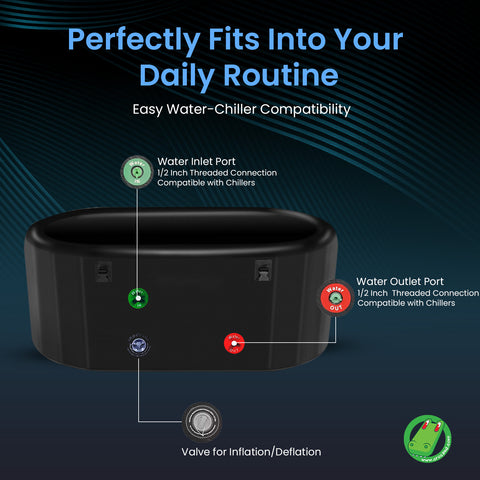
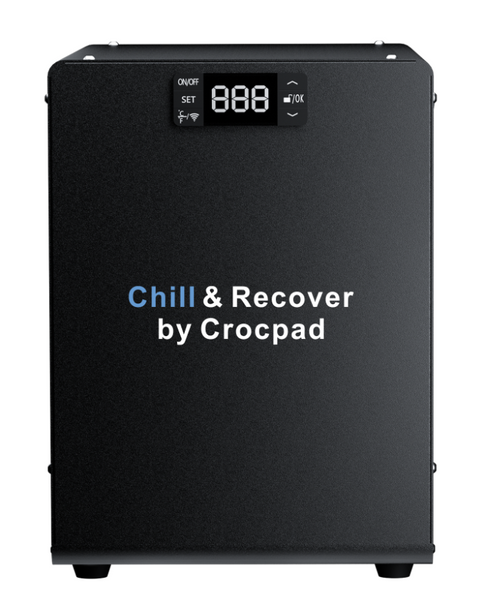
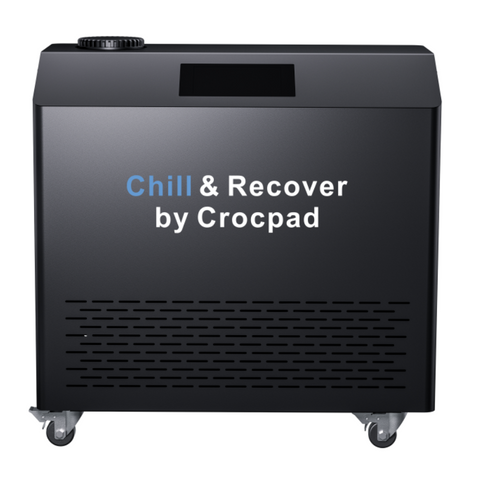
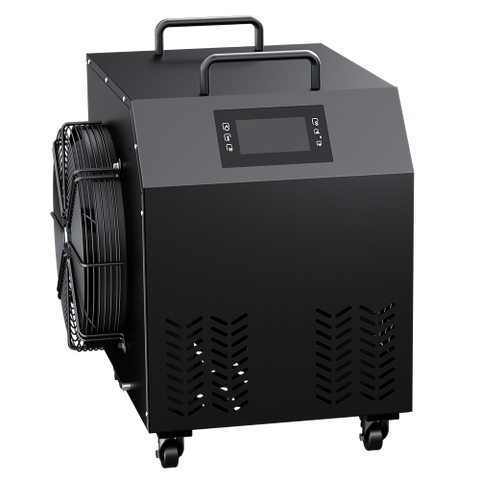
Good nutrition is just one pillar of an effective cold routine. The other is having reliable, purpose-built equipment that makes plunging convenient enough to do consistently. A quality tub that holds temperature well and is easy to maintain means you'll actually stick with the habit — and that's where real results come from.
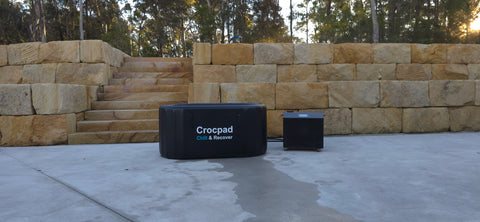
Crocpad's range of ice baths and cold therapy gear is designed for Australian conditions and everyday use at home, whether you're a weekend warrior or a dedicated athlete. If you're still weighing up your options, our portable ice bath collection is a great place to start building your setup.
The Takeaway
Cold therapy is powerful, but it doesn't happen in a vacuum. The food and fluids you choose before and after your plunge shape how your body responds — from how safely you handle the cold to how quickly you recover afterwards. Keep it simple: hydrate well, fuel lightly before, warm up and refuel smartly after, and favour whole, anti-inflammatory foods.
Pair thoughtful nutrition with a consistent plunging habit and the right equipment, and you'll get the very best from every icy session. Your body is doing the hard work in the cold — give it the fuel it deserves.