
We talk a lot about sore muscles and faster recovery when it comes to ice baths — but one of the most powerful benefits of cold therapy happens above the neck. Regular cold exposure can lift your mood, sharpen your focus, and build a kind of mental toughness that spills over into everyday life. For a growing number of Australians, the daily plunge has become less about the legs and more about the headspace.
In this guide we unpack the science behind cold water therapy and mental health, what actually happens in your brain when you brave the cold, and how to build a practice that supports a calmer, more resilient you.
Why Cold Water Affects Your Mind
When you lower yourself into cold water, your body triggers an immediate, full-system response. Your breathing quickens, your heart rate spikes, and a flood of neurochemicals rushes through your brain. This "cold shock" is uncomfortable for the first 30 to 60 seconds — but it's precisely this controlled stress that delivers the mental benefits.
The key difference between cold exposure and everyday stress is that you choose it. You decide to get in, you stay calm, and you breathe through it. Over time, that practice rewires how your nervous system handles discomfort, building a tolerance to stress that extends far beyond the tub.
The Dopamine Effect
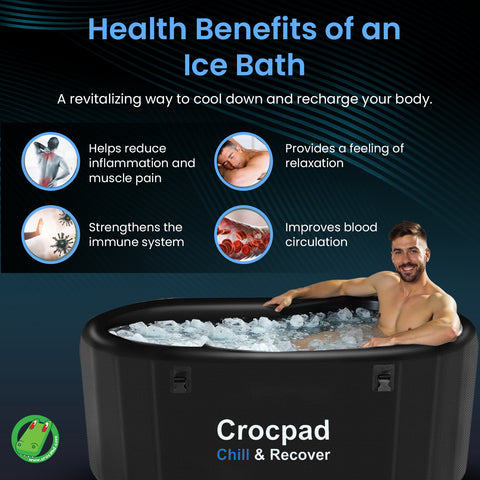
Perhaps the most compelling reason people keep coming back to cold water is the mood lift. Research has shown that immersion in cold water can increase dopamine levels by as much as 250% — a neurotransmitter closely tied to motivation, focus and a sense of reward. Unlike the quick spike you get from caffeine or sugar, this dopamine release is slow, sustained and can last for hours after you get out.
Cold exposure also releases noradrenaline, which plays a role in attention and mood regulation. Many regular plungers describe a clear-headed, almost euphoric calm that settles in after their session — sometimes called the "cold high." It's not magic; it's your brain chemistry responding to a deliberate, healthy stressor.
Stress, Cortisol and the Nervous System
Chronic stress keeps your nervous system stuck in "fight or flight" mode, with elevated cortisol and a constant low hum of anxiety. Cold therapy helps retrain this system. By repeatedly exposing yourself to a short, sharp stressor and then recovering from it, you strengthen your ability to shift back into the calm "rest and digest" state.
Over time, studies suggest regular cold exposure can lower baseline cortisol and improve heart rate variability — a key marker of how well your body adapts to stress. In plain terms: the more you practise staying calm in the cold, the better you get at staying calm when life throws curveballs at you on dry land.
Building Mental Resilience
There's a reason elite athletes, military units and high performers swear by cold exposure. Stepping into freezing water every morning is a small, daily act of doing something hard on purpose. That habit builds what psychologists call self-efficacy — the belief that you can handle difficult things.
When you learn to control your breathing and stay composed in genuinely uncomfortable conditions, you prove to yourself that discomfort is survivable. That mindset carries into job interviews, tough conversations, big deadlines and the general grind of life. It's a daily rehearsal in calm under pressure.
Cold Therapy and the Winter Blues
While Australian winters are mild compared to much of the world, plenty of us still feel the dip in energy and mood when the days get shorter and colder. Cold exposure can be a surprisingly effective tool here. The dopamine and noradrenaline boost provides a natural, drug-free lift, while the invigorating nature of a cold plunge can shake off the sluggishness that comes with grey winter mornings.
Pairing your cold therapy with early morning sunlight exposure is a powerful combination for regulating your circadian rhythm and keeping your mood steady through the cooler months.
How to Start a Mental Health Cold Practice
If your goal is mental clarity and resilience rather than purely physical recovery, your approach can be a little different. Here's how to get the most out of it:
- Prioritise consistency over duration. A short daily plunge of two to three minutes will do far more for your mindset than one long session a week. The mental benefits come from the habit.
- Focus on your breath. The moment you get in, your instinct is to gasp and tense up. Slow, controlled exhales are your anchor — they signal safety to your nervous system and are the core skill you're building.
- Do it in the morning. A cold plunge first thing provides a clean energy boost and sets a tone of accomplishment for the entire day.
- Stay present. Rather than distracting yourself, lean into the sensation. This is as much a mindfulness practice as a physical one.
- Finish on your own terms. Get out calmly and deliberately, not in a panic. That controlled exit reinforces the sense of mastery.
Setting Up at Home
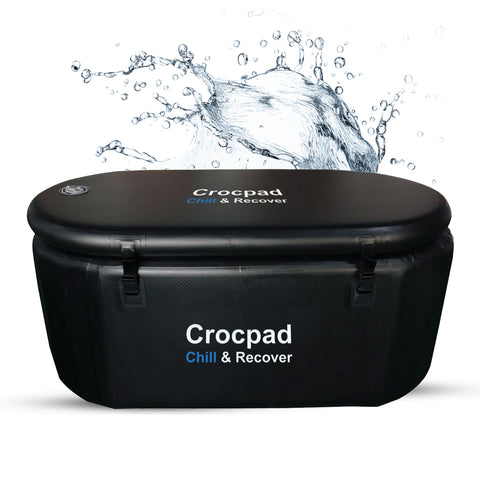
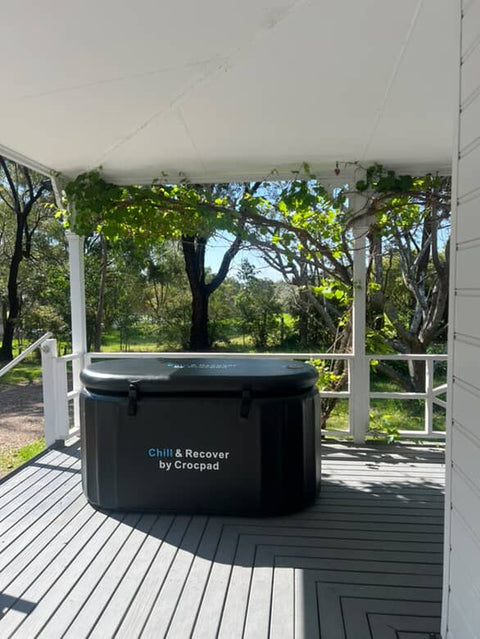
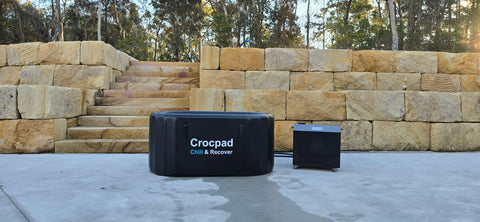
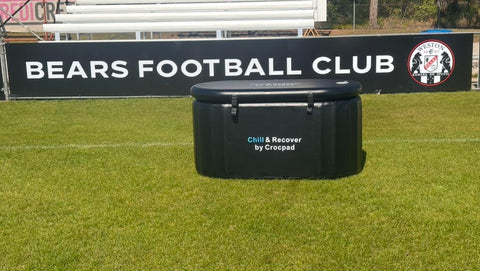
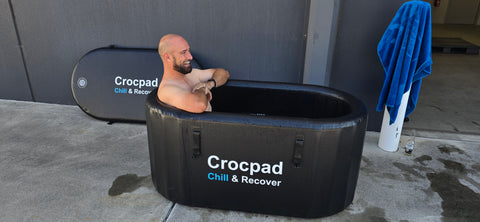
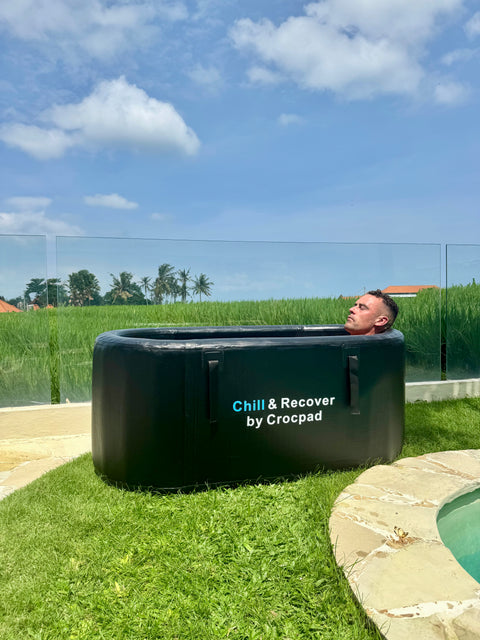
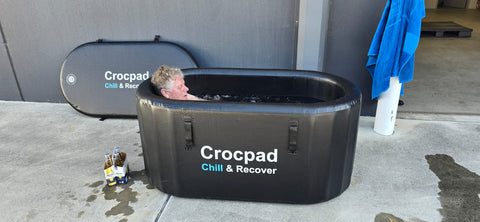
The best mental health practice is the one you'll actually stick to, and nothing kills consistency faster than having to drive to a gym or wellness centre every morning. Having a cold plunge at home removes every excuse. A quality Crocpad ice bath is built for the Australian climate and designed for daily, hassle-free use — so your practice becomes as routine as brushing your teeth.
If you're just getting started, a portable ice bath is an affordable, space-friendly way to see if cold therapy works for you before committing to anything larger. For a full walkthrough on getting your space sorted, our ice bath setup guide covers everything from placement to water temperature.
A Word on Safety
Cold therapy is a stressor, and it's not for everyone. If you have a heart condition, high blood pressure, are pregnant, or have any underlying health concerns, check with your GP before starting. Never cold plunge alone when you're first learning, don't hold your breath underwater, and always keep sessions short. The goal is a healthy challenge — not an endurance test.
The Takeaway
Ice baths are so much more than a recovery tool for tired muscles. With a consistent, breath-focused practice, cold therapy becomes a daily investment in your mental health — boosting mood, sharpening focus, calming the nervous system and building genuine resilience. In a world that's constantly turned up to eleven, a few quiet minutes in the cold might just be the reset your mind has been craving.
Ready to make cold therapy part of your daily routine? Explore the full range of Crocpad ice baths and cold plunge tubs and start building a calmer, tougher you today.