
We all know the Aussie who swears they haven't had a cold in years since they started cold plunging. But is there any real science behind the claim that ice baths bolster your immune system — or is it just wishful thinking paired with a rush of adrenaline? In this guide we dive into what cold therapy actually does to your immune response, what the research says, and how to plunge in a way that supports (rather than sabotages) your health.
Your Immune System 101
Before we plunge in, a quick refresher. Your immune system is a vast network of white blood cells, proteins, and organs that identify and neutralise threats like viruses and bacteria. It has two main arms: the innate immune system (your fast-acting first responders) and the adaptive immune system (your specialised, learned defenders). Lifestyle factors — sleep, nutrition, stress and, intriguingly, temperature exposure — all influence how well this system performs.
The idea that cold exposure can "train" the immune system isn't new. Cultures from Scandinavia to Russia have embraced cold swimming and ice dips for centuries, often crediting the practice with robust winter health. The difference today is that we finally have laboratory data to examine those age-old claims.
What the Research Actually Shows
A handful of studies have put the immune-boosting claim under the microscope, and the results are genuinely interesting.
- Increased white blood cells: Research has observed that regular cold water immersion can elevate counts of certain white blood cells, including monocytes and lymphocytes, suggesting the body mobilises its defences in response to the cold stressor.
- The famous Dutch study: A widely cited 2015 trial from the Netherlands found that participants who took daily cold showers for 30–90 seconds over a month recorded 29% fewer sick-day absences from work compared to a control group. Notably, the reduction in sick days happened even though participants reported a similar number of illnesses — the cold-exposed group simply powered through them more easily.
- Hormesis in action: Cold exposure is a classic example of "hormesis" — a brief, controlled stressor that triggers beneficial adaptations. The short spike of stress hormones like noradrenaline appears to prime the body, and noradrenaline itself has anti-inflammatory properties.
It's worth being honest here: this is an emerging field, sample sizes are often small, and no reputable source is claiming an ice bath is a substitute for vaccination, good sleep or a balanced diet. But the signal pointing toward improved resilience is encouraging.
The Noradrenaline Connection
One of the most promising mechanisms involves noradrenaline, a hormone and neurotransmitter that surges dramatically — by as much as 200–300% — when you hit cold water. Beyond making you feel alert and alive, noradrenaline plays a role in regulating inflammation and immune cell activity. By repeatedly exposing yourself to brief cold stress, you may be teaching your body to produce and respond to this chemical more efficiently, which could translate to a calmer inflammatory baseline over time.
Chronic, low-grade inflammation is linked to everything from fatigue to slower recovery, so anything that helps keep it in check is worth paying attention to. This is also why many athletes pair their training with a quality cold plunge from Crocpad as part of a long-term health strategy, not just post-session recovery.
The Catch: Timing and Intensity Matter
Here's the nuance that often gets lost in the hype. While brief, regular cold exposure appears to support immunity, overdoing it can have the opposite effect. Plunging when you're already run down, pushing extreme durations, or treating every session like a competition can suppress immune function rather than enhance it — the stressor becomes too much for your body to adapt to productively.
The sweet spot is consistency over intensity. A few short, comfortable sessions each week will serve your immune system far better than a punishing once-a-fortnight marathon in near-freezing water.
How to Plunge for Immune Support
If your goal is year-round resilience rather than raw performance, here's a sensible framework to follow.
- Keep it short. Two to four minutes in water between 10–15°C is plenty for immune-focused plunging. You don't need to break personal records.
- Prioritise regularity. Three to five sessions a week delivers the adaptive stimulus. Scattered one-offs won't build the same response.
- Don't plunge when genuinely ill. If you've got a fever or a serious infection, skip it. Cold therapy is a preventative tool, not a treatment for active illness.
- Breathe through it. Controlled breathing helps you stay calm and keeps the experience in the beneficial-stress zone rather than the panic zone.
- Warm up naturally afterwards. Let your body rewarm through movement rather than jumping straight into a hot shower, which can blunt some of the adaptive benefits.
Supporting Habits That Multiply the Benefits
An ice bath is one piece of the immunity puzzle. To get the most from your cold therapy, pair it with the fundamentals: seven to nine hours of quality sleep, a diet rich in colourful vegetables and adequate protein, regular movement, and stress management. Cold exposure amplifies a healthy foundation — it can't replace one.
Hydration deserves a special mention too. The cold can mask your thirst, so make a point of drinking water around your sessions to keep your lymphatic system flowing and your cells functioning well.
Setting Up for Year-Round Consistency
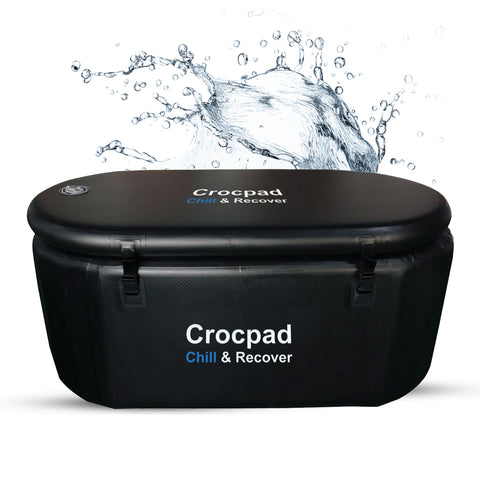
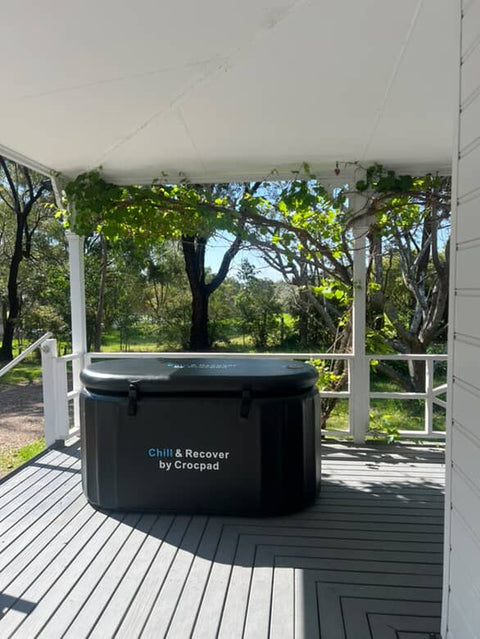
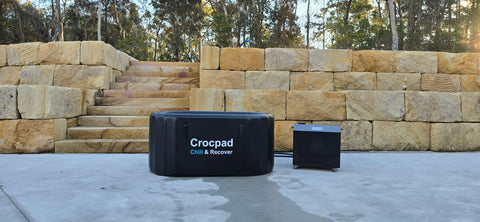
The single biggest predictor of whether you'll reap immune benefits is whether you actually plunge consistently — and that comes down to convenience. If your ice bath is a hassle to fill, set up or maintain, you simply won't use it enough to matter. This is exactly why a durable, easy-to-use Crocpad ice bath is designed for everyday Australian households, making it effortless to build cold therapy into your weekly routine whether you're in a Melbourne winter or a Queensland summer.
For families, the beauty of a Crocpad lifestyle is that cold therapy slots in alongside our other warm-weather favourites, from floating water mats for the lake to inflatable water slides for the backyard — and even dog ramps so the whole household stays active and healthy.
The Bottom Line
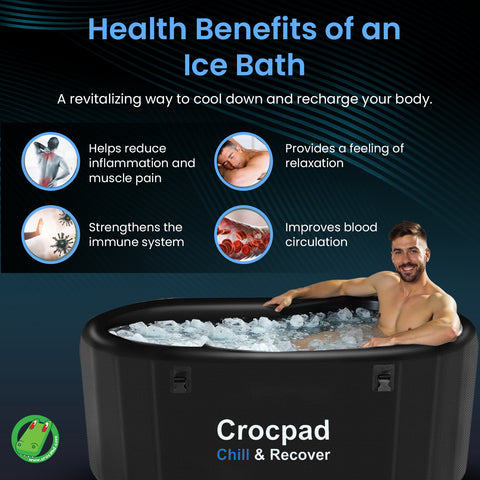
Can an ice bath beat the sniffles? The evidence suggests cold therapy can genuinely support a more resilient immune system — boosting white blood cell activity, harnessing the anti-inflammatory power of noradrenaline, and reducing sick-day severity. It's not a magic bullet, and it won't make you invincible. But as part of a balanced, healthy lifestyle, a short and regular plunge is a low-cost, evidence-backed habit worth embracing.
Start small, stay consistent, and let the cold do its quiet work. Your immune system just might thank you come winter.
Always consult a healthcare professional before beginning cold therapy, especially if you have a heart condition, high blood pressure, or any underlying health concerns.